Views: 222 Author: Rebecca Publish Time: 2026-01-20 Origin: Site
Content Menu
● What Is ABS Injection Molding?
● ABS Material Properties That Matter in Molding
● Advantages and Limitations of ABS Injection Molding
● Typical Applications of ABS Injection Molding
● The ABS Injection Molding Process Step by Step
>> 1. Material Preparation and Drying
>> 2. Plasticizing and Melt Preparation
>> 3. Injection, Packing, and Holding
>> 4. Cooling and Solidification
>> 5. Ejection and Post‑Processing
● Design Guidelines for ABS Injection Molded Parts
>> Recommended Wall Thickness and Uniformity
>> Radii, Corners, and Stress Reduction
>> Ribs, Bosses, and Structural Features
>> Gate Design, Runner Layout, and Venting
● Process Parameters and Troubleshooting for ABS
>> Typical Process Window for ABS
>> Common ABS Injection Molding Defects and Solutions
● Advanced Considerations: Material Grades, Blends, and Sustainability
● Practical Design and Sourcing Tips for OEMs
● When to Choose ABS Injection Molding vs Other Plastics
● Working With an Experienced ABS Injection Molding Partner
● Take the Next Step With Your ABS Projects
● FAQs About ABS Injection Molding
>> 1. Is ABS good for injection molding?
>> 2. What is the typical wall thickness for ABS molded parts?
>> 3. Do ABS pellets need to be dried before molding?
>> 4. What are common defects in ABS injection molding?
>> 5. How does ABS compare to PC or PP for molded parts?
ABS injection molding is one of the most widely used processes for producing strong, durable, and aesthetically pleasing plastic parts in automotive, electronics, consumer products, and industrial equipment. With the right material selection, processing window, and design rules, manufacturers can achieve consistent quality, tight tolerances, and cost‑effective high‑volume production.

ABS (acrylonitrile butadiene styrene) is an engineering thermoplastic known for toughness, impact resistance, and good surface finish. In ABS injection molding, dried ABS pellets are melted and injected under pressure into a steel mold cavity, cooled, and ejected as fully formed parts.
Key ABS characteristics for molding.
- High impact strength and good toughness
- Good dimensional stability and low warpage
- Easy flow, suitable for complex geometries
- Relatively low processing temperatures compared with some engineering plastics
Common industries using ABS injection molding.
- Automotive interior and exterior trim
- Consumer electronics housings and components
- Appliances, tools, and enclosures
- Toys, furniture fittings, and industrial covers
Understanding ABS properties is critical for design and process control. Different ABS grades vary in impact strength, heat resistance, and flow, but they share several core behaviors relevant to molding.
Key mechanical and physical properties (typical ranges).
- Impact strength: high, suitable for load and drop scenarios
- Tensile and flexural strength: good, but not as stiff as some high‑end engineering plastics
- Heat resistance: moderate; continuous use temperatures are limited
- Shrinkage: about 0.4–0.7%, important for dimension and mold sizing
Processing‑related properties.
- Melt flow index range: affects how easily the melt fills thin sections
- Melt viscosity: relatively high but stable; sensitive to shear and temperature
- Water absorption: requires proper drying to avoid splay and bubbles
ABS injection molding offers a balanced combination of performance and cost for mass production. However, it is not ideal for every environment, especially high‑temperature or outdoor UV‑exposed applications.
Main advantages.
- Good toughness and impact resistance for structural housings
- Easy flow and good moldability for detailed, complex parts
- Attractive surface finish and gloss, easy to paint and plate
- Relatively low material and processing cost
- Wide availability of grades such as heat‑resistant, flame‑retardant, and plating‑grade materials
Key limitations.
- Limited heat resistance; can deform under high service temperatures
- Poor UV resistance without stabilization or coatings
- Moderate chemical resistance; certain solvents can attack the surface
- Impact and mechanical performance strongly affected by temperature
ABS is widely chosen when a part must look professional while surviving daily use and occasional impacts. Its balance of strength, processability, and cost makes it a default choice for many OEM products.
Representative applications.
- Automotive: dashboards, pillar trims, interior panels, grilles
- Electronics: laptop shells, monitor frames, router and set‑top boxes
- Appliances: vacuum cleaner housings, control panels, handles
- Consumer goods: toys, suitcases, helmets (with blends), tool casings
- Industrial: instrument enclosures, connectors, light structural covers
Why OEMs and brands favor ABS.
- Reliable mass‑production quality at high volumes
- Good compatibility with secondary operations like painting, printing, and plating
- Ability to integrate clips, bosses, and functional features into a single molded part
The ABS injection molding workflow follows the same fundamental stages as other thermoplastics, but the processing window and drying needs are especially important.
Key steps in the ABS injection molding cycle.
1. Material preparation and drying
2. Plasticizing and melt preparation
3. Injection and packing
4. Cooling and solidification
5. Part ejection and post‑processing
ABS absorbs moisture, and residual water can cause splay, bubbles, and surface defects. Drying before molding is therefore essential, especially for regrind or humid environments.
Best practices for drying ABS.
- Use a desiccant dryer and follow resin supplier recommendations for time and temperature
- Keep pellets sealed until just before use to minimize moisture pickup
- Avoid mixing high‑moisture regrind with virgin resin without re‑drying
Dried pellets enter the hopper and are conveyed by a reciprocating screw into a heated barrel. As the screw rotates, ABS is melted and homogenized to the required melt temperature.
Key considerations.
- Barrel temperature settings must be matched to resin grade and part geometry
- Shear heating from screw rotation should be controlled to avoid thermal degradation
- Uniform melt temperature helps reduce flow lines and internal stress
Once the screw accumulates the required shot, it moves forward to inject molten ABS into the closed mold cavity at controlled speed and pressure. This stage largely determines filling quality, weld lines, and voids.
Critical variables.
- Injection pressure must be high enough to fill the part without flashing
- Injection speed should prevent premature freezing but avoid excessive shear
- Packing and holding maintain pressure as the gate freezes, compensating for shrinkage and avoiding sinks
After filling and packing, the part cools in the mold until it reaches ejection strength. Efficient and uniform cooling is vital for dimensional accuracy and cycle time.
Cooling considerations.
- Cycle times depend on part thickness and size
- Well‑designed cooling channels reduce differential shrinkage and warpage
- Uniform wall thickness minimizes internal stress and cooling variation
Once cooled, the mold opens and ejector pins push the part out. ABS parts are generally easy to demold if sufficient draft and radii are built into the design.
Common post‑processing options.
- Deflashing, trimming, and minor deburring
- Painting, printing, or laser marking for appearance and branding
- Plating for decorative or functional metallic finishes on plating‑grade ABS
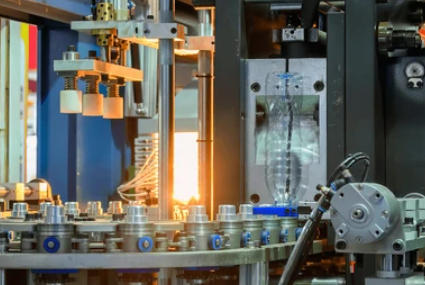
Well‑designed geometry is the foundation of stable ABS molding, lower scrap, and predictable quality. Following standard injection molding rules while accounting for ABS behavior helps minimize sinks, warpage, and cracking.
ABS requires walls that are thick enough for strength but still consistent throughout the part.
Wall thickness guidance for ABS parts.
- Typical recommended wall thickness: about 1.1–3.5 mm
- Too thin: risk of short shots and low impact strength
- Too thick: risk of sink marks, voids, and long cycles
Tips for controlling wall thickness.
- Keep walls as uniform as possible from one region to another
- Transition thickness gradually using tapers or fillets instead of abrupt steps
- Use ribs or gussets to increase stiffness instead of increasing wall thickness excessively
Sharp corners act as stress concentrators and flow obstacles, which ABS is particularly sensitive to.
Radii and corner design rules.
- Avoid sharp internal and external corners whenever possible
- Use internal radii that are large enough to reduce stress without causing excessive shrinkage
- Balance radii size with dimensional and cosmetic requirements
Adequate draft ensures clean ejection and protects surface quality.
Draft recommendations.
- Use at least 1° draft on polished vertical surfaces where possible
- Increase to 2–3° or more on textured surfaces or deep cores
- Increase draft on tall ribs, bosses, and deep features to reduce drag and sticking
Ribs and bosses provide strength without adding excessive bulk, but their proportions matter.
Practical guidelines.
- Rib thickness: about 40–60% of the nominal wall to avoid sink marks
- Rib height: ideally less than 3 times the rib base thickness to prevent filling issues
- Bosses: support them with ribs and avoid thick cylindrical masses; core them out if necessary
Gate and runner design strongly influence flow pattern, weld lines, and filling pressure.
Key points.
- Runners must be sized to ensure fast, stable filling
- Gates should be thick enough relative to part thickness to avoid under‑packing
- Venting must be sufficient at flow ends to prevent burn marks and incomplete fill
Successful ABS injection molding depends on tuning temperature, pressure, and speed for each mold and grade. Understanding common defects and their root causes helps shorten optimization time.
The exact settings vary by resin supplier, but several ranges are widely referenced as starting points.
Example process ranges for ABS.
- Melt temperature: adjusted to balance flow and stability
- Mold temperature: controlled to balance surface finish and cycle time
- Injection pressure: tuned to ensure complete filling without flashing
- Back pressure and screw speed: adjusted to ensure homogeneous melt without excessive shear
Typical ABS molding issues and practical fixes are summarized below.
| Defect | Likely Causes | Mitigation Strategies |
|---|---|---|
| Sink marks | Localized thick sections, heavy ribs or bosses | Reduce thickness, optimize rib ratios, adjust packing and holding |
| Warpage | Uneven wall thickness, non‑uniform cooling | Improve cooling layout, adjust process, redesign geometry |
| Short shots | Low melt temperature, insufficient pressure or vents | Increase temperature or pressure, modify gates, improve venting |
| Weld lines | Converging flow fronts, low temperature | Change gate location, raise melt and mold temperature |
| Surface splay/bubbles | Moisture in pellets, contamination | Improve drying, use clean material |
ABS is available in multiple specialized grades and can be integrated into more sustainable strategies through regrind, recycling, and hybrid designs.
ABS grades and blends.
- High‑heat ABS for elevated‑temperature environments
- Flame‑retardant grades for electronics and appliances
- Plating‑grade ABS for decorative metallic finishes
- ABS/PC and other blends for higher heat resistance and toughness
Sustainability and regrind usage.
- Clean, well‑dried regrind can often be blended with virgin ABS in controlled ratios
- Designers can consider part geometry that tolerates minor cosmetic variation in high‑regrind applications
- Close collaboration with the molder helps set regrind policies that protect both quality and cost
For overseas brands, wholesalers, and manufacturers, the real value of ABS injection molding lies in design for manufacturability and choosing the right production partner.
Practical tips for engineering teams.
- Involve the molder early to review wall thickness, ribs, and gate locations
- Request design for manufacturability feedback and mold‑flow analysis for complex parts
- Standardize material grades across product lines to simplify purchasing and quality control
Practical tips for sourcing and purchasing.
- Evaluate suppliers on technical support, tooling capability, and quality systems
- Ask for case studies, sample parts, and documented process windows for ABS
- Confirm lead times for tooling, sampling, and ramp‑up to align with launch schedules
ABS is versatile, but it may not always be the only option. Comparing it with alternative resins helps make a strategic material decision.
High‑level material comparison for molded parts.
| Material | Key Strengths | Typical Limitations | Typical Use Cases |
|---|---|---|---|
| ABS | Tough, good finish, easy molding, cost‑effective | Limited heat and UV resistance | Automotive trim, electronics housings |
| PC | Very high impact, clear grades available | Higher cost, more demanding processing | Safety lenses, high‑impact enclosures |
| PP | Excellent chemical resistance, low density | Lower stiffness, warpage risk in complex parts | Housings, containers, automotive components |
| Nylon | High strength and wear resistance | Moisture absorption, dimensional variability | Gears, bearings, mechanical parts |
Decision guidance.
- Choose ABS when aesthetics, impact strength, and cost balance are key
- Consider PC or blends when impact and heat resistance requirements increase
- Use PP or nylon where chemical resistance or wear performance dominates
Because ABS injection molding requires coordinated control of material, mold design, and process parameters, partnering with a technically capable supplier is crucial.
What to look for in a molding partner.
- Proven experience with ABS and other engineering plastics across multiple industries
- Strong design support, including optimization of wall thickness, ribs, and gate layout
- Integrated services covering prototyping, mold making, molding, and secondary operations
How a full‑service OEM supplier can help.
- Early design consultation to align geometry with ABS behavior and tooling capability
- Material selection guidance among standard ABS, high‑heat, flame‑retardant, or blends
- Stable, scalable production for both pilot runs and long‑term volume orders
If you are developing new ABS plastic components or planning to upgrade existing products to ABS injection molding, now is the ideal time to move from concept to manufacturable design. Share your 2D and 3D drawings, target volumes, and performance requirements with an experienced OEM partner to receive a detailed design review, material recommendations, and a clear cost estimate. This proactive collaboration will help you shorten development time, control risk, and bring reliable ABS products to market faster.
Contact us to get more information!
Yes, ABS is one of the most popular engineering plastics for injection molding thanks to its good impact strength, dimensional stability, and attractive surface finish at a competitive cost. It is widely used for automotive trim, electronics housings, and appliance components.
For ABS, a common recommended wall thickness range is about 1.1–3.5 mm, depending on part size and structural requirements. The most important rule is to keep walls as uniform as possible to avoid sinks and warpage.
Yes, ABS absorbs moisture and must be properly dried to prevent splay, bubbles, and poor surface appearance. Using a desiccant dryer and following the resin supplier's drying schedule is considered standard practice.
Typical ABS defects include sink marks, warpage, short shots, weld lines, and moisture‑related splay. Most of these can be mitigated by optimizing wall thickness, gate design, venting, drying, and key process parameters such as melt temperature and injection pressure.
Compared with PC, ABS is generally less heat‑resistant but more cost‑effective and easier to process, while still offering good impact strength. Compared with PP, ABS provides higher stiffness and better surface finish but has lower chemical resistance.
1. https://www.rapiddirect.com/blog/abs-injection-molding/
2. https://www.rapiddirect.com/blog/ultimate-guide-to-injection-molding/
3. https://www.makerverse.com/resources/injection-molding/guide-to-abs-injection-molding/
4. https://www.3erp.com/blog/abs-injection-molding/
5. https://zetarmold.com/abs-injection-molding/
6. https://www.ptsmake.com/what-is-abs-injection-molding/
7. https://www.hanking-mould.com/abs-injection-molding-processing-guide.html
8. https://www.rallyprecision.com/abs-injection-molding-guide/
9. https://www.fictiv.com/articles/abs-injection-molding-material-properties-and-processing-considerations
10. https://www.protolabs.com/services/injection-molding/plastic-injection-molding/design-guidelines/
11. https://www.laszeray.com/a-comprehensive-look-at-abs-in-plastic-injection-molding/


