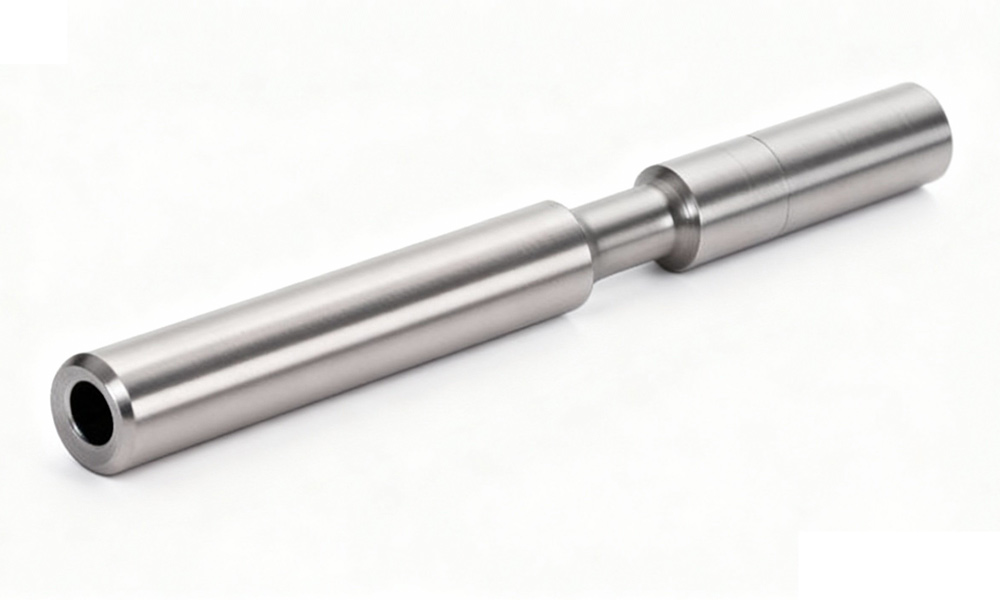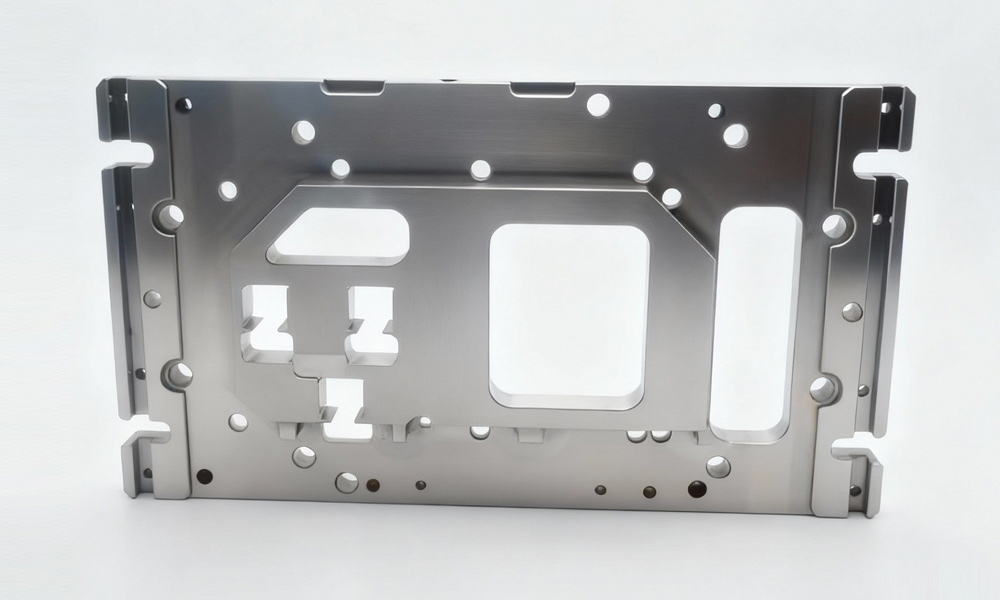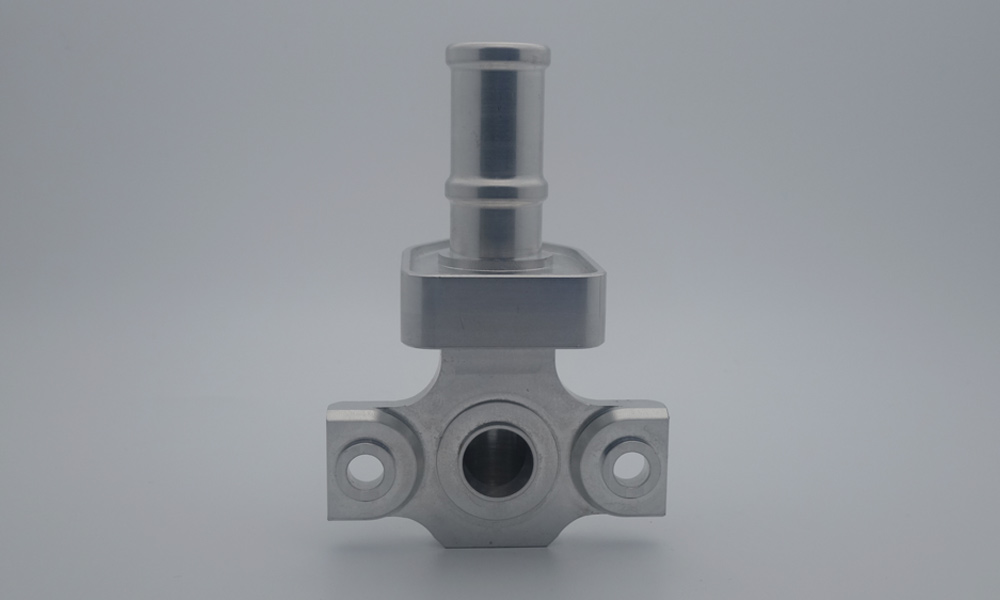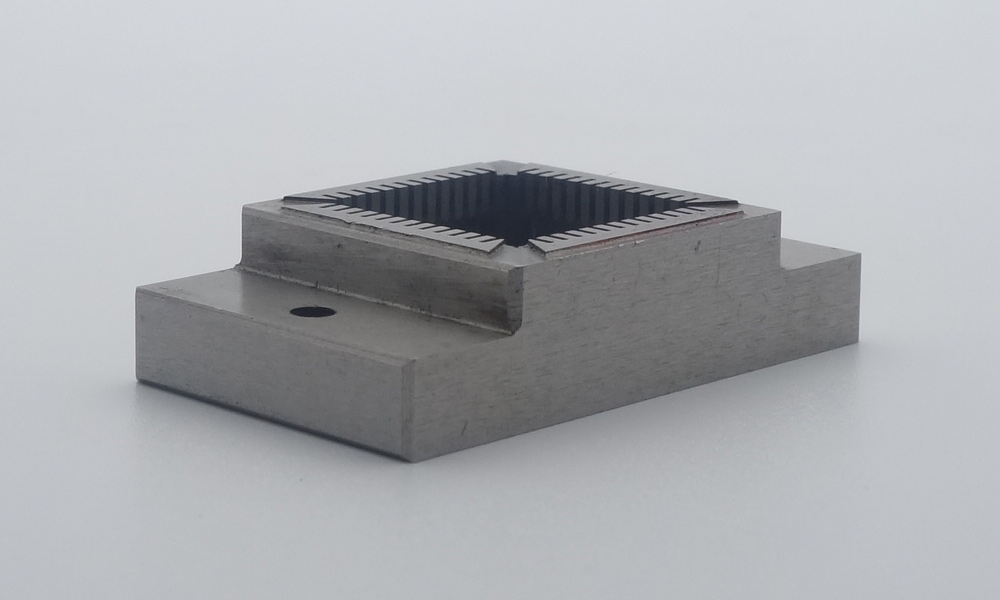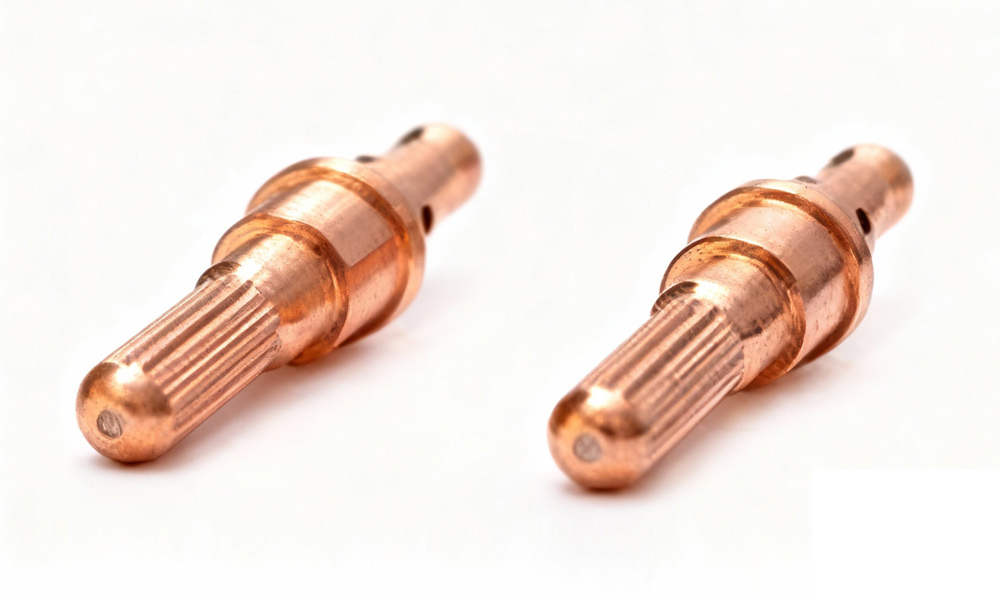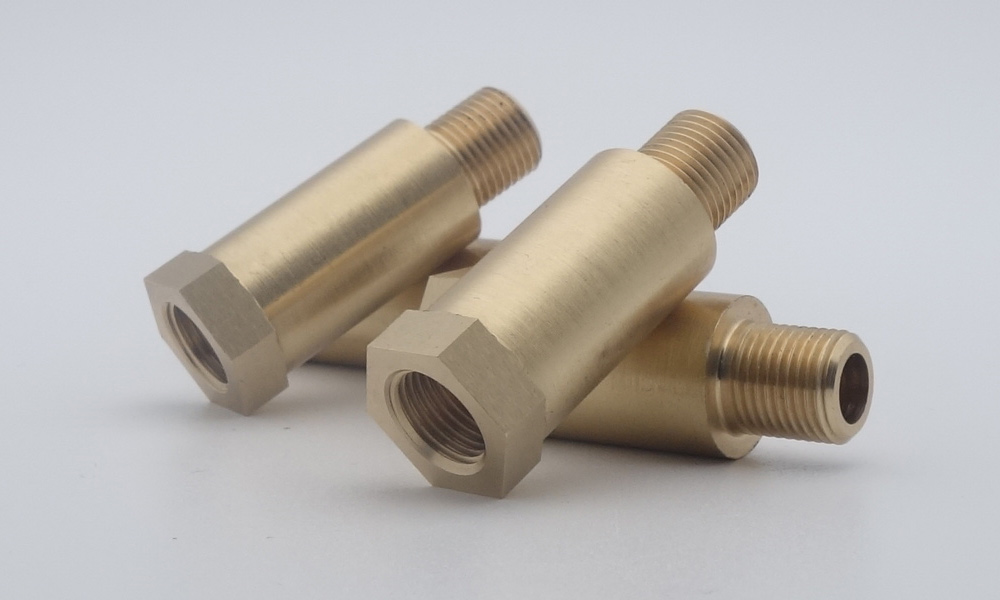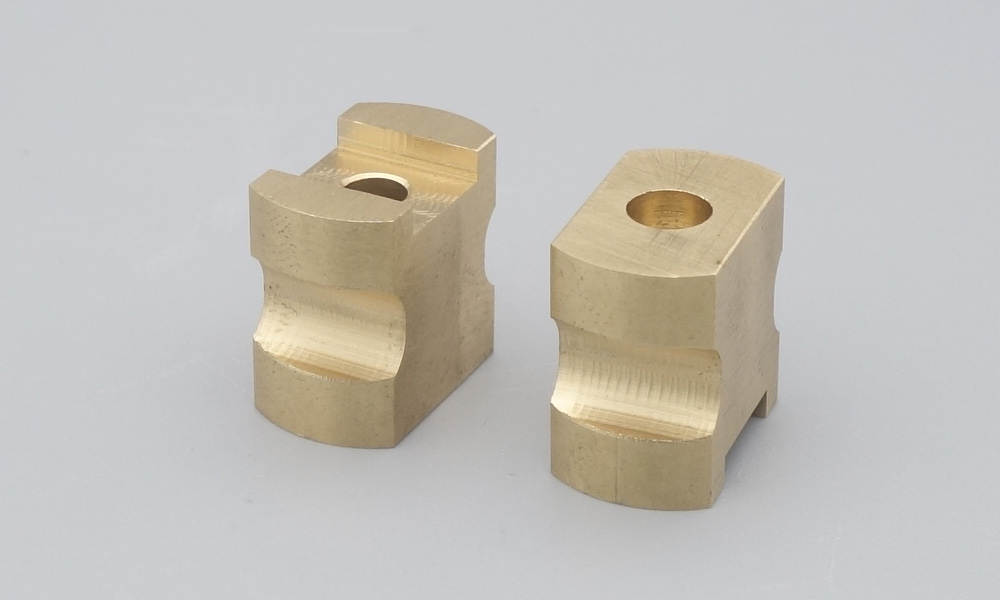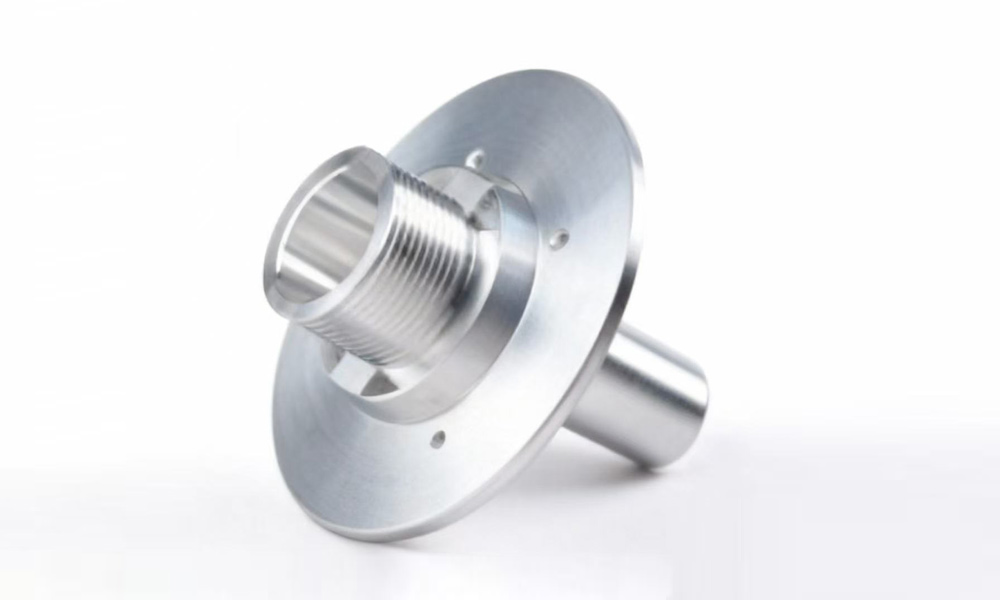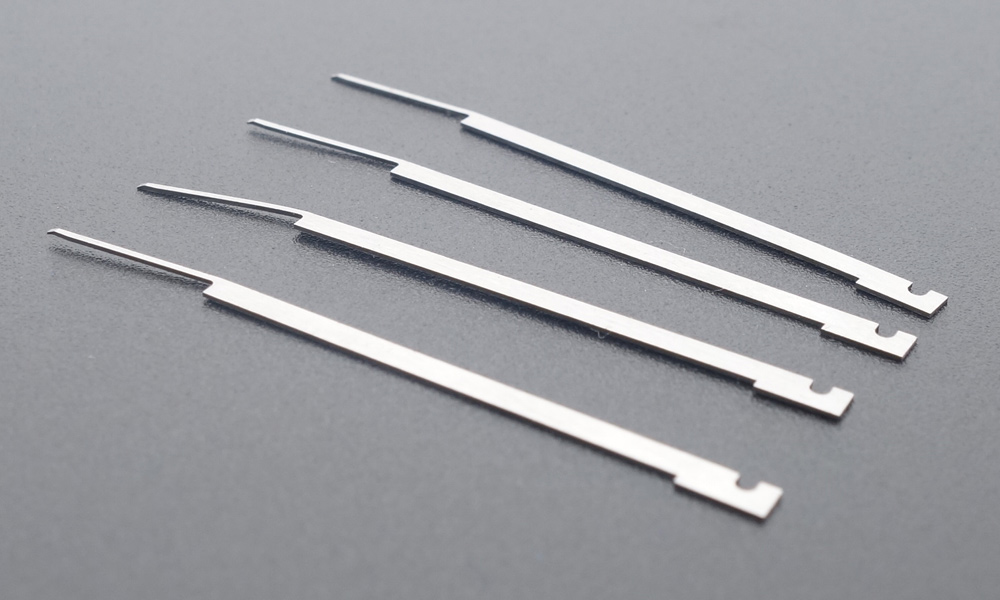
From 1 piece to mass production, our one-stop custom services ensure a worry-free experience for you.
Help Center

CNC EDM Services

* Suitable for the processing of conductive materials
* Tolerances down to +/-0.01mm.
* Quality assurance with double inspection
/01
 

High Quality 

Parts

 
Our cutting-edge EDM equipment is always kept up-to-date to guarantee that our clients receive precision-machined parts that meet the highest standards of accuracy. Our machines can achieve high precision with a tolerance of up to ±0.00039 inches (±0.01 mm).
/02
 

Fast Lead 

Time

 
U-Need guarantees speedy project completion in as little as 24 hours without sacrificing quality, all thanks to our effective EDM technique and committed team.
/03
 

No MOQ


We believe that every project deserves the highest quality, regardless of size. That's why we offer custom precision parts with no minimum order quantity—you can order just one piece if that's all you need!

What is EDM machining?

Electrical discharge machining, abbreviated as EDM, is a unique new CNC machining technology widely used in mold manufacturing and CNC machining industry.
CNC EDM can machine super hard materials, complex cavities, or contoured workpieces that are difficult to machine with traditional cutting methods. It is usually used to machine conductive materials such as tool steel, carbon steel, and hard-to-machine alloy materials such as carbide.

How EDM machining 

Works ______

Electrical Discharge Machining (EDM) is a manufacturing process that uses electrical discharges (sparks) to remove material from a workpiece.
In today’s competitive landscape, the demand for precision and quality in manufacturing is paramount. Our CNC EDM (Electrical Discharge Machining) services are here to meet this challenge, providing you with high accuracy and efficiency for your most demanding projects.
  • The process begins with the setup of the workpiece and the electrode, both submerged in a dielectric fluid (such as oil or deionized water). The electrode, typically made of copper or graphite, is precisely positioned a few micrometers away from the workpiece.
     
  • An electrical current is applied, creating a series of rapid electrical discharges (sparks) between the electrode and the workpiece. These discharges generate extreme heat, melting and vaporizing small amounts of material from the workpiece.
     
  • As the sparks erode the workpiece, the dielectric fluid cools both the electrode and the workpiece while flushing away debris. This cycle continues, allowing for precise shapes and features to be formed until the desired design is achieved.
     
MATERIALS

EDM Machining Materials

Our CNC EDM services are designed to handle a wide range of materials with precision and efficiency. Whether you are working with hard metals like tool steel or specialized materials such as carbide, our skilled team is experienced in creating custom solutions to meet your specific material needs.

Metals

  • Stainless Steel

    Stainless Steel
    Stainless steel, also known as stainless and acid-resistant steel, is a type of steel that is resistant to air, steam, water, and weak corrosive mediums. Acid-resistant steel, on the other hand, is resistant to chemical corrosion mediums such as acid, alkali, and salt.
    Stainless steel is a versatile material that is commonly used in various industries due to its excellent heat resistance, corrosion resistance, polishing performance, and high hardness. It is widely used in fields such as automotive, aerospace, medical, and consumer electronics.
    U-Need Precision Machinery has the expertise and knowledge to fabricate custom stainless steel parts and products with high precision tolerance requirements.
     
    Common Grades:
    Stainless Steel SUS201, SUS303, SUS 304, SUS316, SUS316L, SUS42, SUS430, SUS431, SUS440C, SUS630/17-4PH, AISI 304
    Available Finish:
    As machined, Electroplating, Passivation, Powder coating
    Price:
    $$$
     
  • Titanium

    Titanium
    Titanium is known for its exceptional strength and light weight, making it a popular choice for aerospace and medical implants. Its ability to resist corrosion and compatibility with the human body make it a valuable material for challenging conditions, and its impressive strength-to-weight ratio makes it versatile for use in different industries.
     
     
    Common Grades:
    Titanium Alloy TA1, Alloy TA2, Alloy TC4/Ti-6Al 4V
    Available Finish:
    As machined, Polishing, Sand blasting, Tumbling, Electropolish, Alodine, Heat treatment, Black oxidize, Electroless nickle, Chrome plating, Powder coating, Brushed finish
    Price:
    $$$$$
     
  • Steel

    Steel
    Steel is a broad category that refers to alloys of iron and carbon with a carbon content ranging from 0.02% to 2.11% by weight.
    Aside from iron and carbon, key components of steel consist of chromium, manganese, molybdenum, nickel, silicon, tungsten, and vanadium.
    Steel exhibits excellent strength, flexibility, ease of machining, thermal conductivity, and responsiveness to heat treatment, making it a popular choice for manufacturing precision components.
     
    Common Grades:
    Steel 1018, 1020, 1025, 1045, 1215, 4130, 4140, 4340, 5140, A36, Die steel, Alloy steel, Chisel tool steel, Spring steel, High speed steel, Cold rolled steel, Bearing steel, SPCC
    Available Finish:
    As machined, Electroplating, Passivation, Powder coating
    Price:
    $$$
     
  • Aluminium
    Aluminum
    Aluminum is a valuable industrial material due to its excellent thermal properties and ease of processing. When compared to die steel, aluminum alloy is known for its good machinability, lightweight nature, and high thermal conductivity. While it used to have low strength, advancements have allowed aluminum alloy to now match carbon steel, making it suitable for creating plastic molds. The efficient cooling performance of aluminum alloy has been particularly beneficial in reducing the forming cycle time for plastic bottle blow-forming production.
    U-NEED precision machinery specializes in designing and producing high-quality custom aluminum parts with precision. Our team has the expertise to handle prototyping, small batch production, or full project production using a variety of processing techniques.
     
    Common Grades:
    Aluminum 6061, 6061-T6, Aluminum 2024, Aluminum 5052, Aluminum 5083, Aluminum 6063, Aluminum 6082, Aluminum 7075, 7075-T6, Aluminum ADC12 (A380)
    Available Finish:
    As machined, Anodizing, Powder coating, Electroplating, Painting, Sand blasting, Polishing
    Price:
    $$
  • Tungsten Carbide
    2. Tungsten Carbide
    Tungsten carbide is exceptionally hard and wear-resistant, with high strength and heat resistance. It maintains stability at elevated temperatures but can be brittle and prone to chipping. Additionally, it offers good corrosion resistance and is dense, making it ideal for cutting tools and industrial applications.
    You can rely on us for precision machining of tungsten carbide components, backed by extensive expertise and cutting-edge CNC technology. Our commitment to quality and efficiency ensures that you receive exceptional tungsten carbide products tailored to your specific needs, whether for custom projects or large-scale production.
     
    Common Grades:
    KG5, KG7, and ST7.
    Available Finish:
    As-Machined, Polishing, Lapping, Brushing, Tumbling, Grinding, PVD Coating...
    Price:
    $$$$$$
  • Copper
    6. Copper
    Copper is a valuable metal that plays a significant role in many industries. It is abundant in nature and possesses exceptional properties such as excellent electrical conductivity, thermal conductivity, ductility, corrosion resistance, and wear resistance. This non-ferrous metal is utilized in a wide range of sectors including power, electronics, energy, petrochemical, machinery, metallurgy, communications, light industry, and emerging industries. In China, copper is the second most consumed non-ferrous material after aluminum.
    There are different types of copper, including pure copper (copper element) and various copper alloys like brass, bronze, and white copper.
    Precision-machined CNC copper parts are commonly used in various applications. Copper alloys are extensively used in the manufacturing of valves, water pipes, air conditioning connecting pipes, and radiators. These materials can be found in electrical products, pipelines, the medical industry, and a variety of consumer goods.
     
    Common Grades:
    Copper C101(T2), Copper C103(T1), Copper C103(TU2), Copper C110(TU0), Beryllium Copper
    Available Finish:
    As machined, Polishing, Sand blasting, Tumbling, Electropolish, Alodine, Heat treatment, Black oxidize, Electroless nickel, Chrome plating, Brushed finish
    Price:
    $$$
  • Brass
    7. Brass
    Brass is a corrosion-resistant alloy that exhibits excellent machinability, making it easy to shape and cut. It has good ductility and malleability, allowing it to be formed into intricate designs.
    With our expertise in machining brass parts, you can expect components expertly tailored to your specific requirements. Our advanced machining techniques and state-of-the-art equipment ensure that every brass part produced is crafted with precision and quality.
     
    Common Grades:
    C36000 and C46400.
    Available Finish:
    As-Machined, Polishing, Lapping, Grinding, Sandblasting, Passivation, Electroplating...
    Price:
    $$$
  • Bronze
    Bronze
    Bronze, a mixture of copper and tin, is recognized for its long-lasting quality and ability to resist rust. It is commonly utilized in marine settings, art pieces, and mechanical components due to its robustness and capacity to endure tough conditions.
     
    Common Grades:
    Tin Bronze
    Available Finish:
    As machined, Polishing, Sand blasting, Tumbling, Electropolish, Alodine, Heat treatment, Black oxidize, Electroless nickle, Chrome plating, Powder coating, Brushed finish
    Price:
    $$$
  • Magnesium
    10. Magnesium
    Magnesium is known for its light weight and durability, making it a popular choice in the aerospace and automotive industries where weight reduction is important. Its ability to be easily shaped allows for intricate designs, and it is also commonly used in electronics for its high conductivity.
     
    Common Grades:
    Magnesium Alloy AZ31B, AZ91D
    Available Finish:
    As machined, Polishing, Sand Blasting, Tumbling, Alodine, Heat treatment, Anodizing, Teflon coating, Electroless nickel, Painting, Powder coating, Electrophoresis
    Price:
    $$$$$

U-Need's CNC EDM Machining 

Capabilities ________

At U-Need, we prioritize understanding your unique requirements and providing customized solutions that enhance efficiency and performance. Whether you need intricate designs or high-tolerance parts, our CNC EDM services are specifically tailored to exceed your expectations. Partner with us for CNC EDM services that blend innovation, expertise, and superior craftsmanship.
Item Description
Maximum Strok 300 * 200 * 200 mm / 11.81 * 7.87 * 7.87 inches
Machining Accuracy 0.01 mm / 0.00039 inches
Minimum Outer Contour 1.0*1.0*1.0 mm
Minimum Inner Contour 0.2 mm
Minimum Outer Thread M2
Minimum Inner Thread M2
Minimum Outer Concave Corner 0.2 mm
Minimum Outer Convex Corner 0.2 mm
Minimum Inner Concave Corner 0.2 mm
Minimum Inner Convex Corner 0.2 mm

General Materials Comparison Table _____

GB China ASTM USA JIS Japan DIN Germany
9CrWMn 01 SKS3 1.2510
9Mn2V 02 SKS93 1.284
Cr12 D3 SKD1 1.2080
Cr12MoV D2 SKD11 1.2436
Cr12Mo1v1 D2 SKD11 1.2379
4Cr5MoSiV1 H13 SKD61 1.2344
3Cr2Mo P20 SCM 1.2311
3Cr13 420 SUS420J2 1.4028
W6Cr5Mo4V2 M2 SKH51(SKH9) 1.3343
W6Mo5Cr4V2Co5 M35 SKH55 1.3243
W2Mo9Cr4VCo8 M42 SKH59 1.3247

Applications of ________

CNC EDM Machining Parts

CNC EDM machining is widely utilized across various industries for its precision and ability to handle intricate designs. Its versatility makes it a valuable tool across diverse industries.
Tool and Die Manufacturing
* Molds: Used for creating injection molds, die-casting molds, and extrusion molds.
* Punches and Dies: Fabrication of punches and dies for stamping and forming operations.
Aerospace Industry
* Complex Components: Manufacturing of components with intricate geometries like turbine blades, brackets, and other critical flight components.
* Hard Materials: Precision parts made from difficult-to-machine materials such as carbide and titanium.
Automotive Industry
* Cutting Tools: Creation of high-precision cutting tools and fixtures.
* Customization: Machining of custom parts for engines, transmissions, and other assemblies.
Medical Industry
* Surgical Instruments: Production of highly precise surgical tools and implants that require strict tolerances.
* Prototyping: Rapid prototyping of custom medical devices and components.
Electronics Industry
* Micro Components: Fabrication of intricate parts for electronics, such as connectors and circuit boards.
* Heat Sinks: Precision machining of heat sinks and other critical electronic components.
Energy Sector
* Utility Components: Manufacturing of parts used in renewable energy applications, such as wind turbine components.
* Oil and Gas: Precise machining of components in drilling and extraction equipment.
Research and Development
* Custom Prototypes: Development of prototypes for testing and research, allowing for rapid iterations of design concepts.
FAQs _____
  • What products are suitable for EDM machining process?

    All conductive materials can be processed by EDM manufacturing process.
  • What are the characteristics of EDM machine operation?

    – EDM can process hard, brittle, tough, soft, and high melting point conductive material.
    – “No cutting force” during processing, which is conducive to the processing of small holes, thin walls, narrow grooves, and various complex shapes of holes, spiral holes, cavities, and other workpieces. It is also suitable for precision and micromachining.
    – When the pulse width is small, the entire workpiece is hardly affected by heat, so the heat-affected layer can be reduced, and the surface quality can be improved after processing. It is also suitable for processing heat-sensitive materials.
    – The pulse parameters can be adjusted arbitrarily, which rough, semi-finishing, and finishing can be continuously performed on one machine tool.
    – Direct use of electrical energy processing, easy to achieve automation.
  • Advantages of EDM

    – It is possible to manufacture special-shaped surfaces that cannot be produced by conventional cutting machines.
    – Machining hard materials can also have good tolerance accuracy.
    – The cutting force of conventional machines may damage small workpieces, but EDM will not.
  • Disadvantages of EDM

    – Non-conductors cannot be processed.
    – The processing speed is slow.
    – High processing cost.
  • Range of EDM definition manufacturing?

    – All conductive materials can be processed by electrical discharge machine.
    – The highest precision of electric discharge machining can reach +/-0.005mm surface roughness up to the mirror level.
    – Stations that cannot be processed by traditional machining can generally be completed by electrical discharge machining.
    – The discharge station can be the cavity of various large-scale plastic molds or small holes and tiny grooves with a width of 0.1mm.
  • The physical process in machining EDM?

    Generally, it can be divided into three stages:
    The first stage forms the discharge channel, where the electrolyte is ionized and broken down, and the discharge channel is formed.
    In the second stage, energy conversion is formed on the surface of the workpiece. That is, spark discharge and thermal expansion are generated, so the tool electrode and the workpiece are eroded.
    The erosion produced in the third stage is thrown out of the discharge gap to prepare for the subsequent discharge.
  • How to make tools for CNC EDM?

    Copper electrode is an electrode for EDM machining. According to the product’s shape, the processing method is determined, and the desired shape is processed by turning, milling, planing, grinding, drilling, and electric discharge. The shape of the electrode is opposite to that of the product.
    Suppose the product is difficult to process at one time. In that case, the shape or structure of the product is divided into several parts according to the difficulty of processing, the shape of the product, and the processing needs. The Copper electrode can be disassembled into several parts, and then the Copper electrode processing diagram is formed. This process is to remove the copper man.
  • The experience of the technicians?

    Technicians have all studied through relevant mechanical manufacturing majors, and the longest working time of technicians in the industry is over 20+ years.
  • Where is the origin?

    Dongguan City, Guangdong Province, China
  • How long is the usual processing cycle?

    7~15 days after placing the order
  • What is the minimum order quantity?

    One piece minimum order
  • How to place an order?

    E-Mail
  • How to transport?

    Air express (UPS, DHL, FEDEX, OCS…), Ocean freight
  • How to pay?

    T/T
  • How to make an inquiry?

    E-mail,Whats app, Skype
  • How to conduct quality inspection?

    Digital calipers, micrometers, height measuring instruments, plug gauges, profile projectors, COORDINATE MEASURING MACHINE, industrial screws, thread gauges, dial indicators, ring gauges
  • How to packing?

    Secondary Inspection——Wiping ——Bagging——Spraying Anti-rust Oil——Packing
  • How long is the shipping time?

    Europe and the United States 3~7 working days, according to different express times
    Japan 2~7 working days, according to different express time
Try U-Need
now, for free
U-Need Precision Machinery Co., Ltd.
  +86 0769 23225585
 +86 15916761371
  contact@uneedpm.com
  Room 401-1, Building 4, SongHuZhiGu Research Center, No.6 Minfu Road, Liaobu Town, Dongguan City, Guangdong Province, China
523425

CAPABILITIES

RESOURCES

ABOUT

Subscribe
Copyright © U-Need Precision Machinery Co., Ltd. All rights reserved.    Privacy Policy  Sitemap