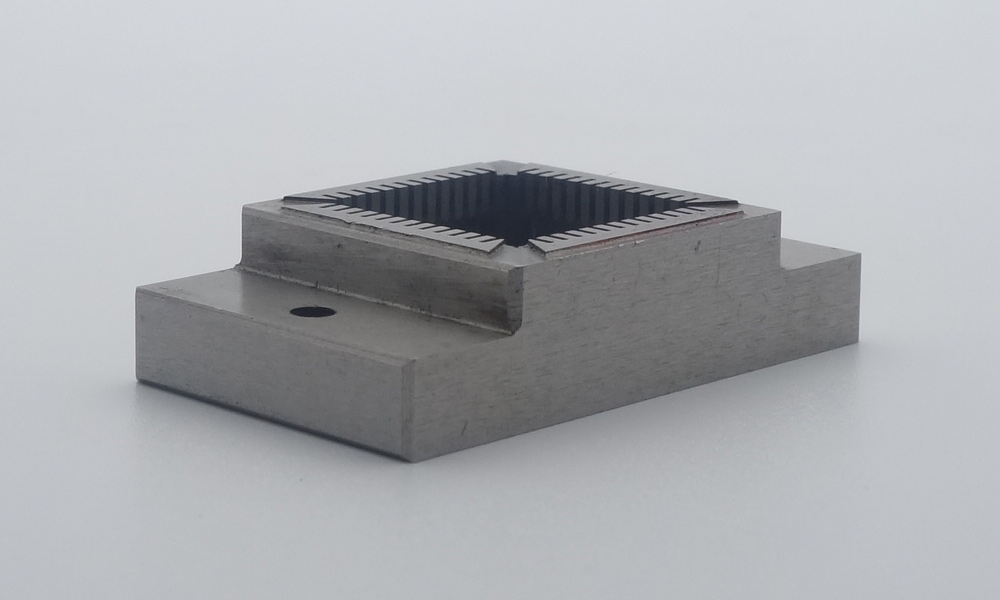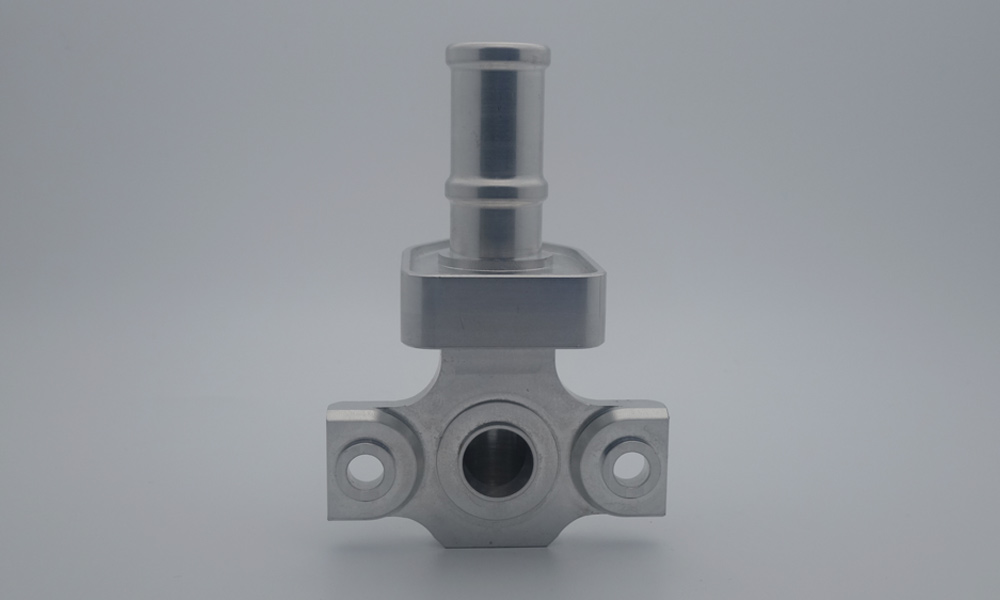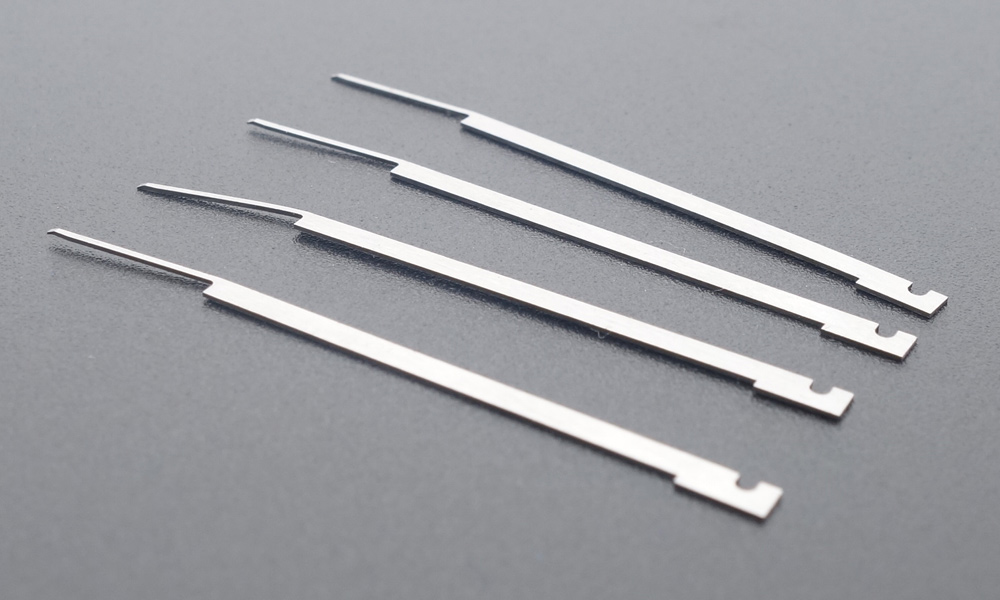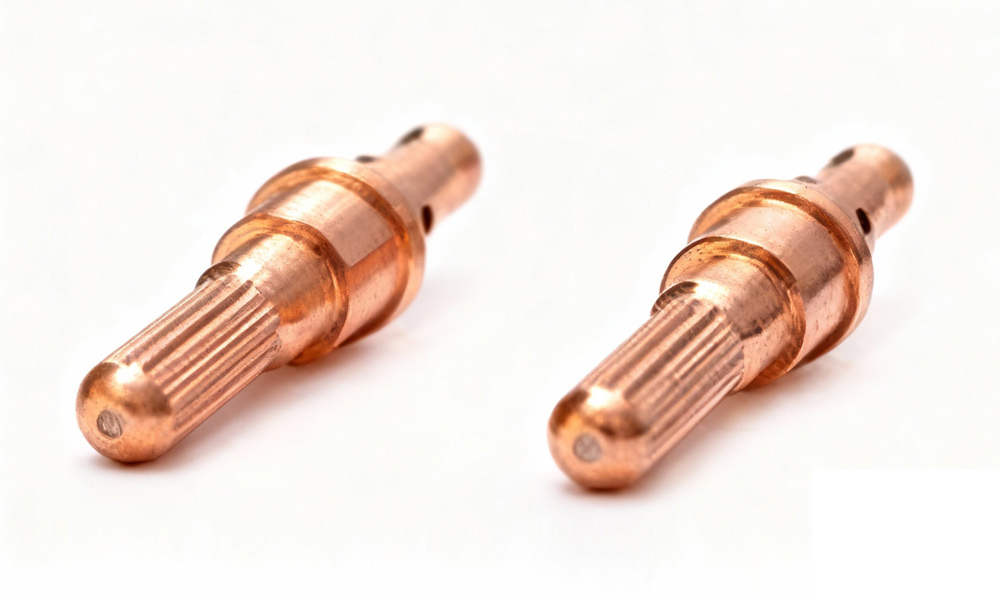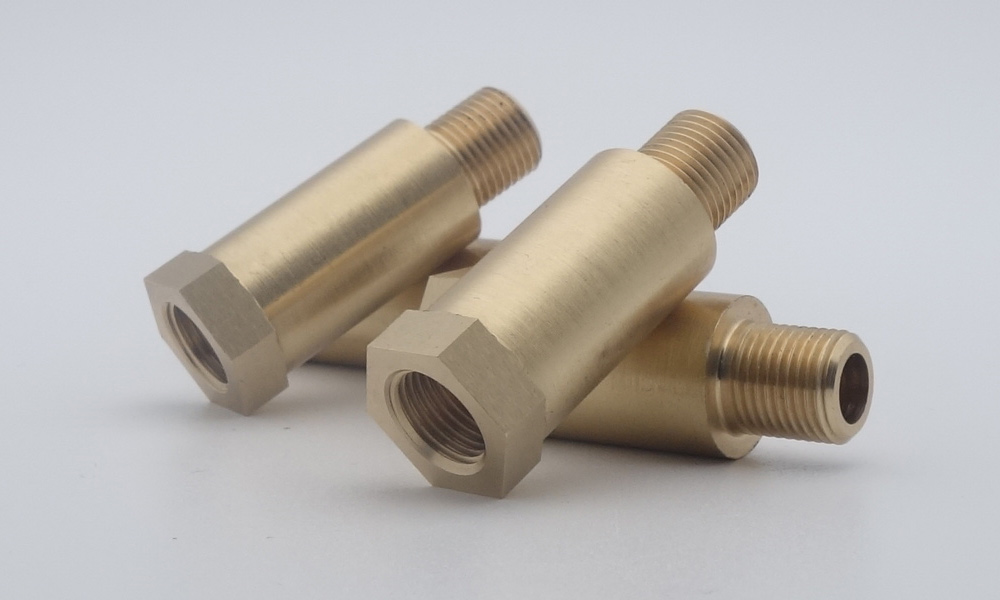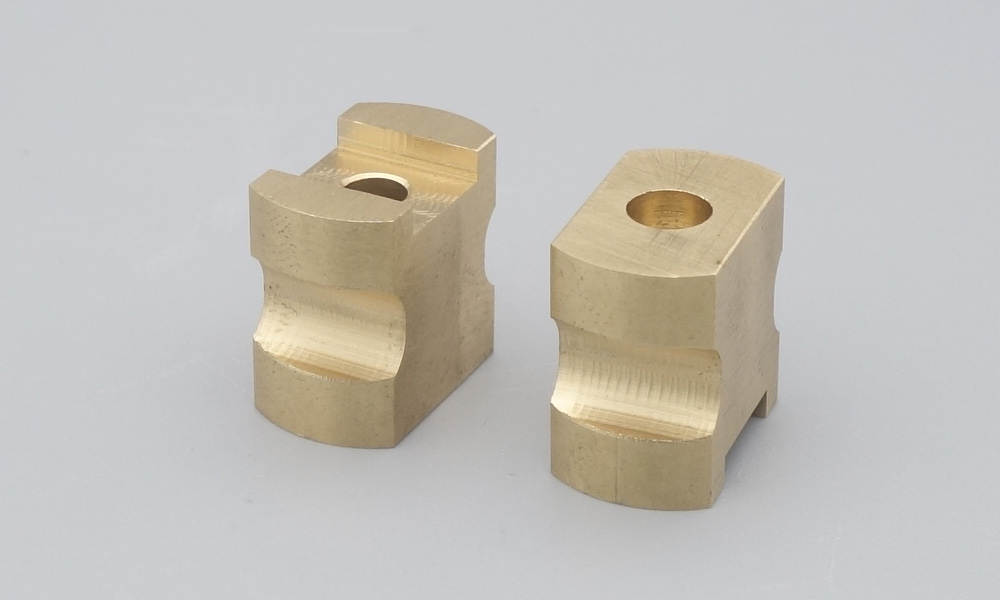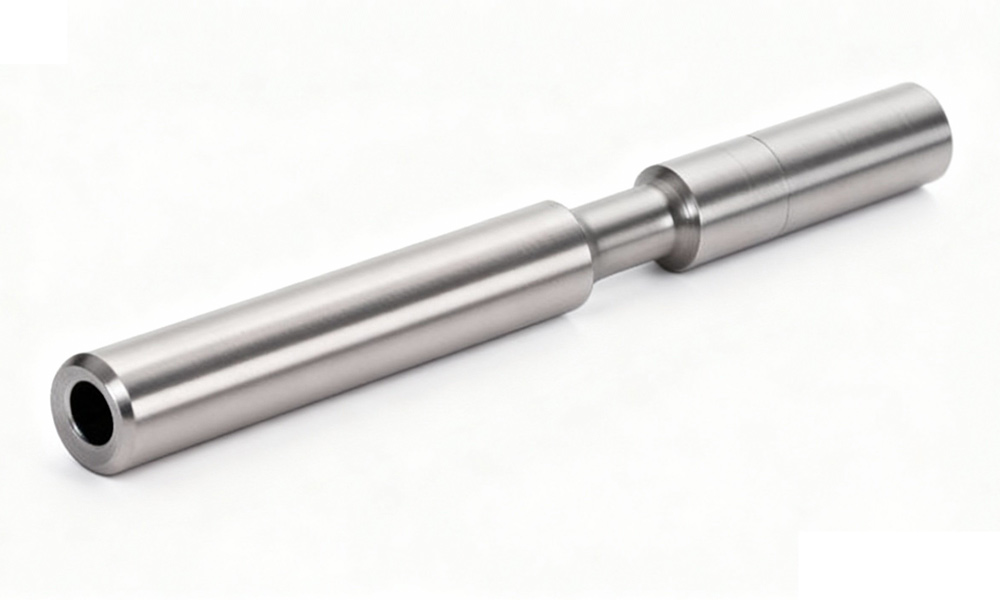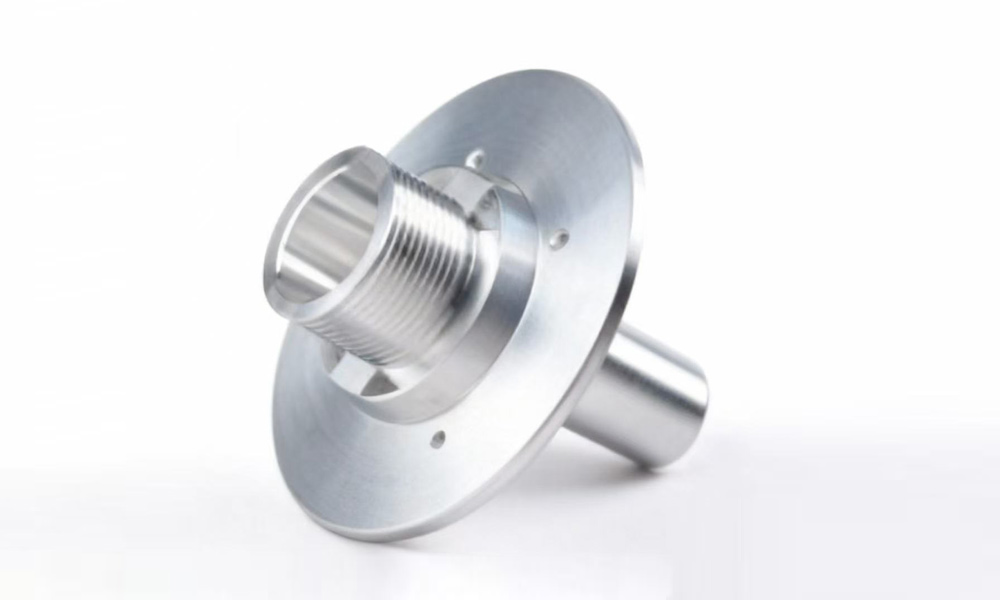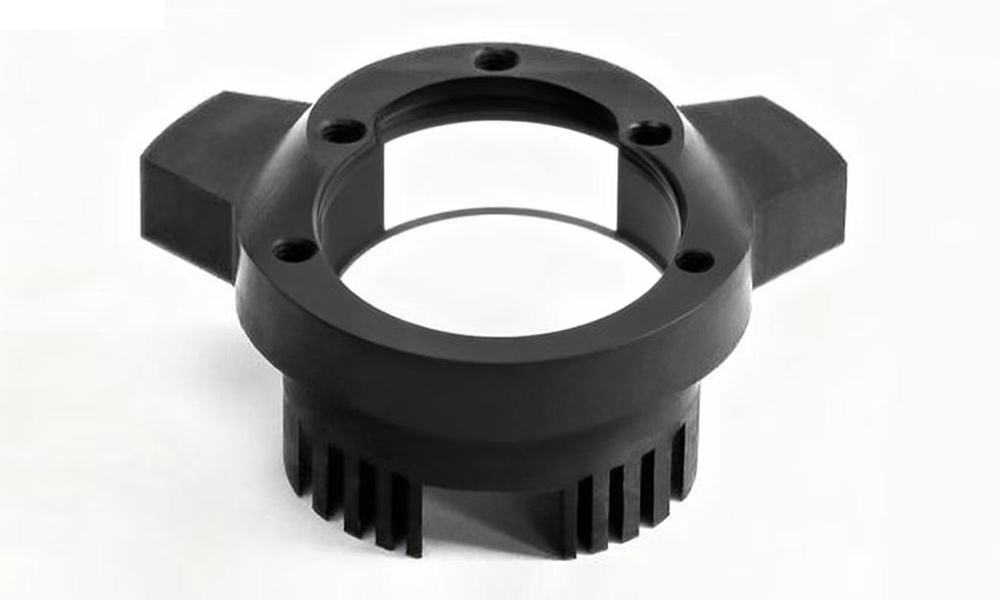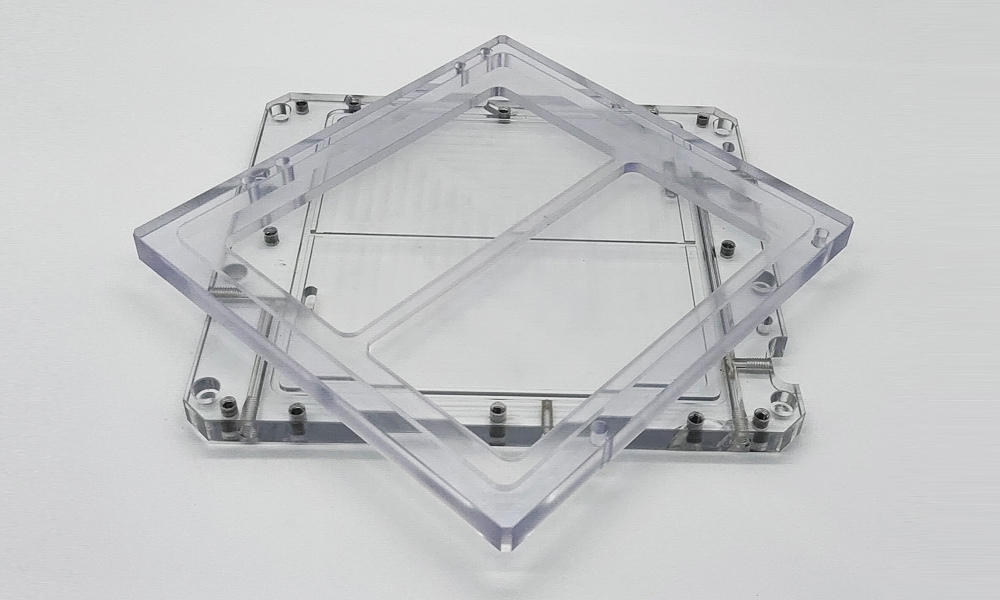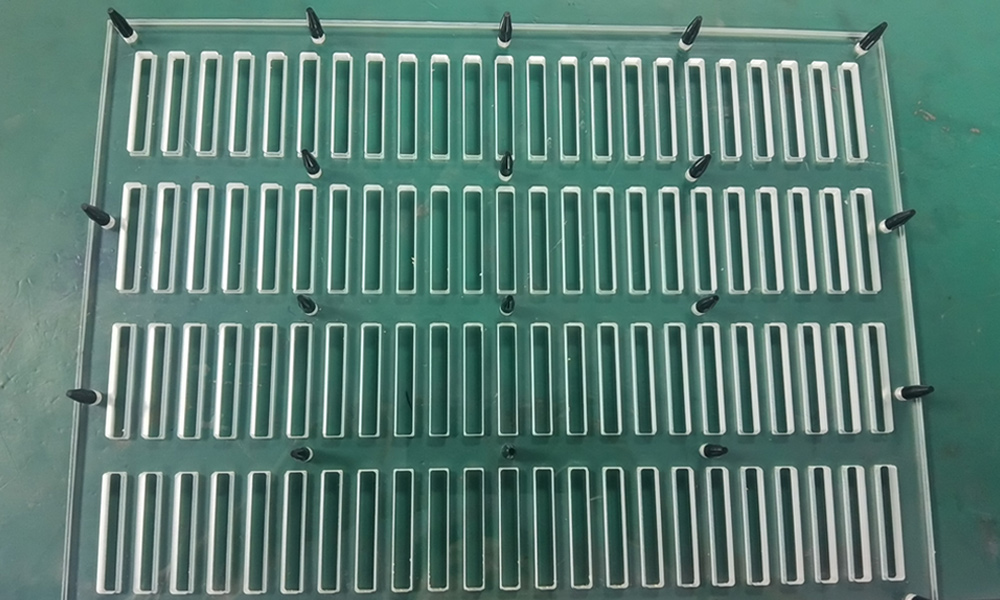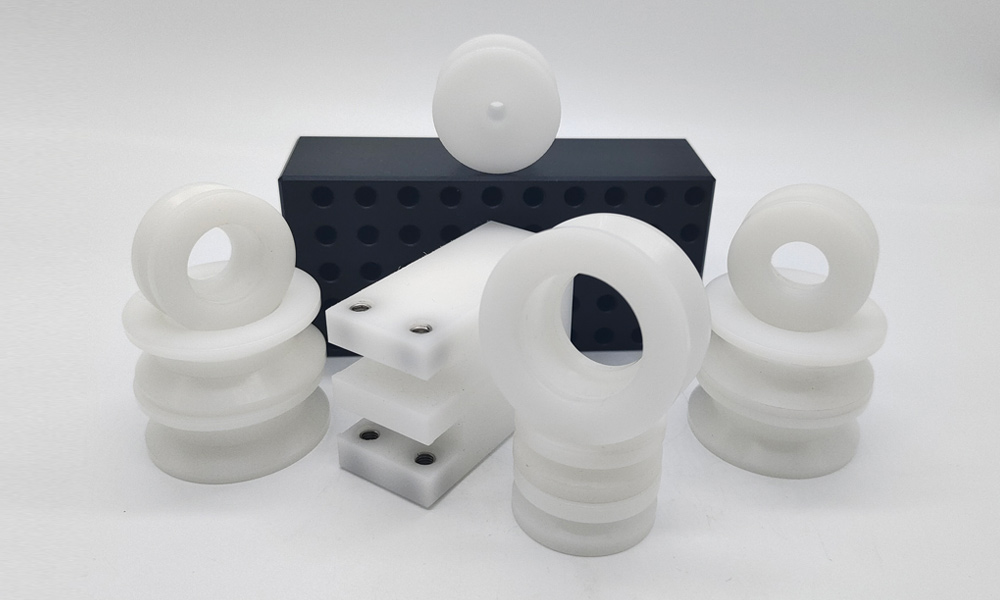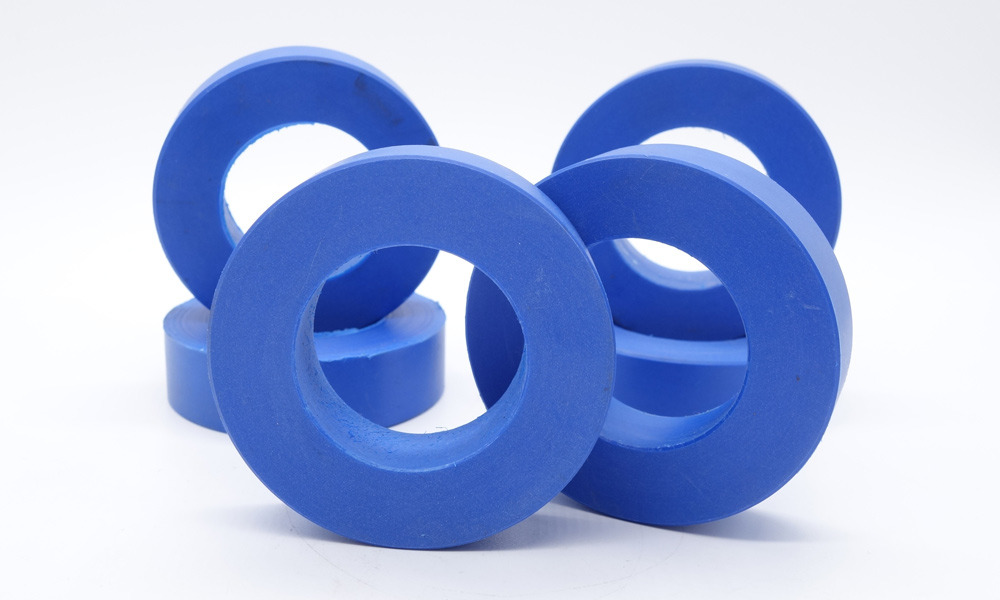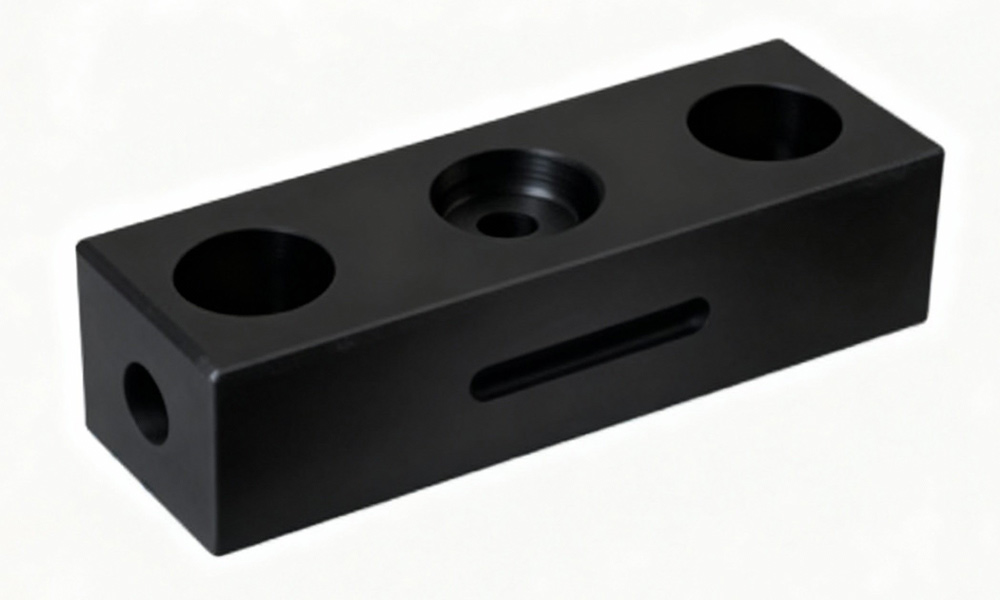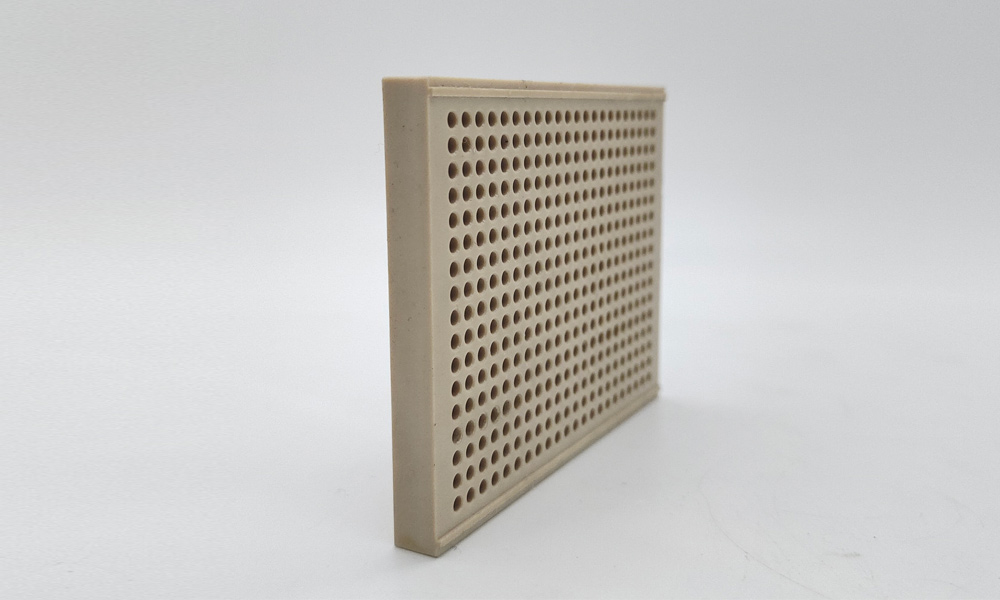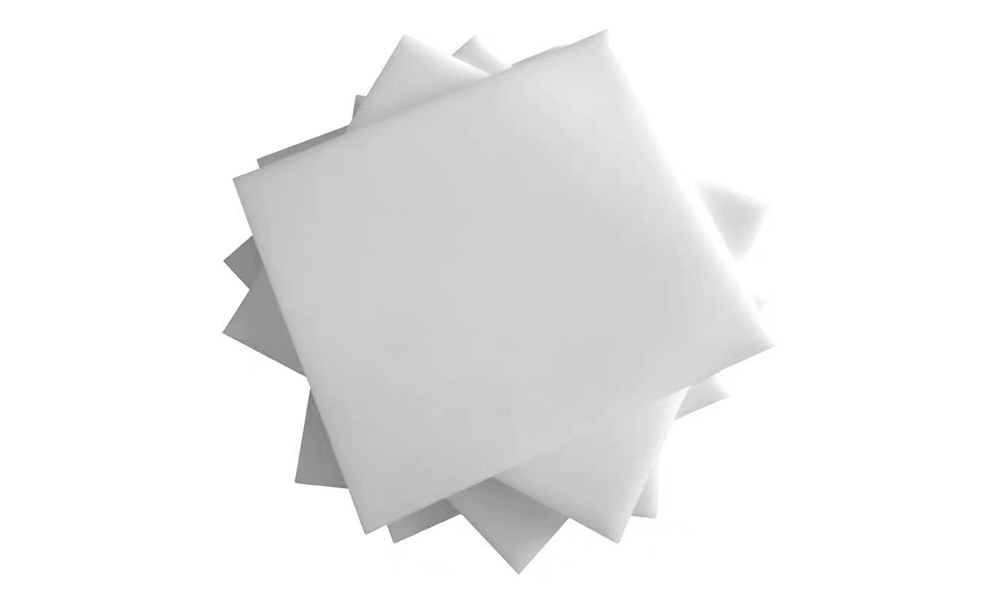
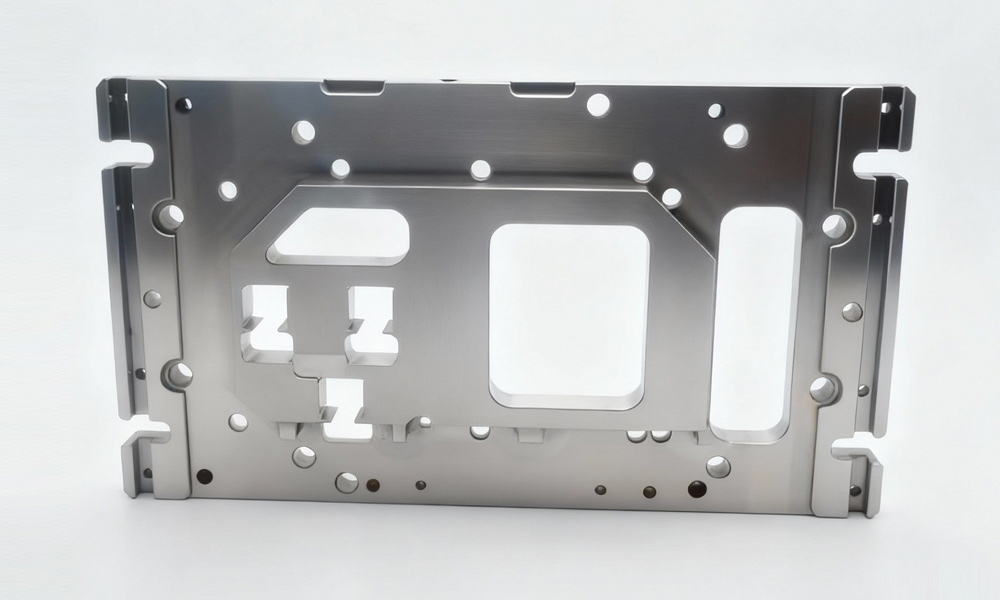
From 1 piece to mass production, our one-stop custom services ensure a worry-free experience for you.
Help Center

Custom CNC
Machining Services

At U-Need, we pride ourselves on offering professional custom CNC machining services tailored to meet the unique needs of your projects. From your blueprint to the finished product, it only takes a single email.
  Product Material: 100+
  Sample: Acceptable
  Production Lead Time: 1 to 15 working days
  Transit Time: 3 to 5 working days
  Payment:T/T

CNC Machining Services for Custom CNC Parts

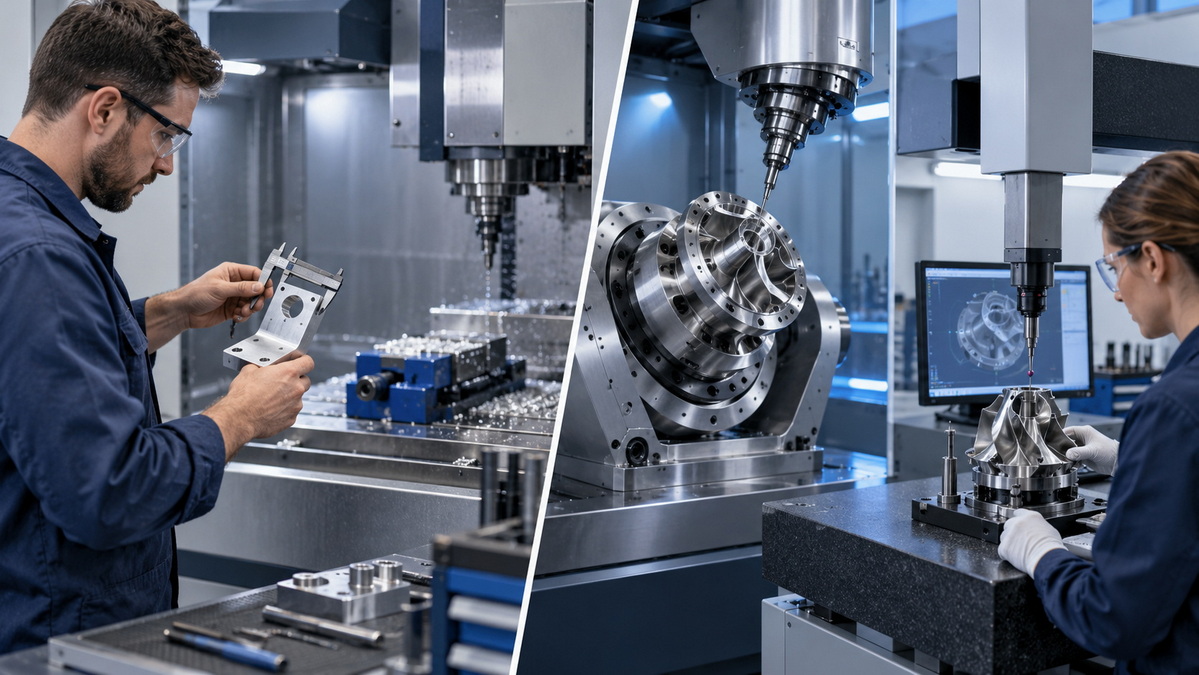
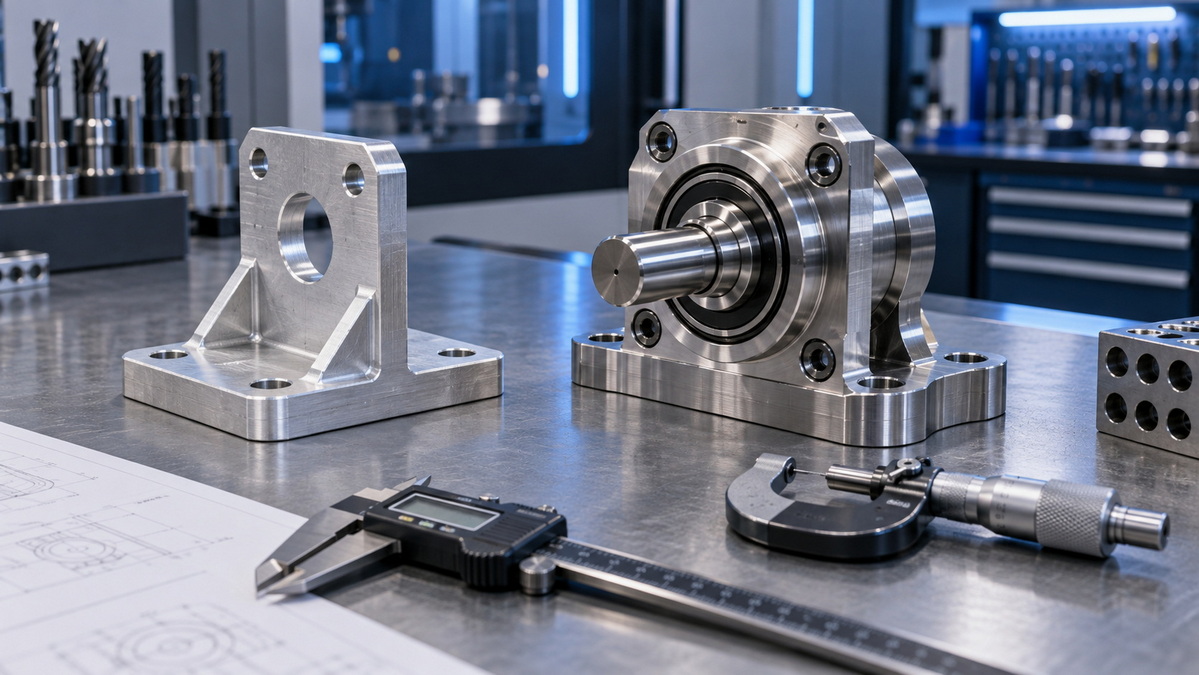
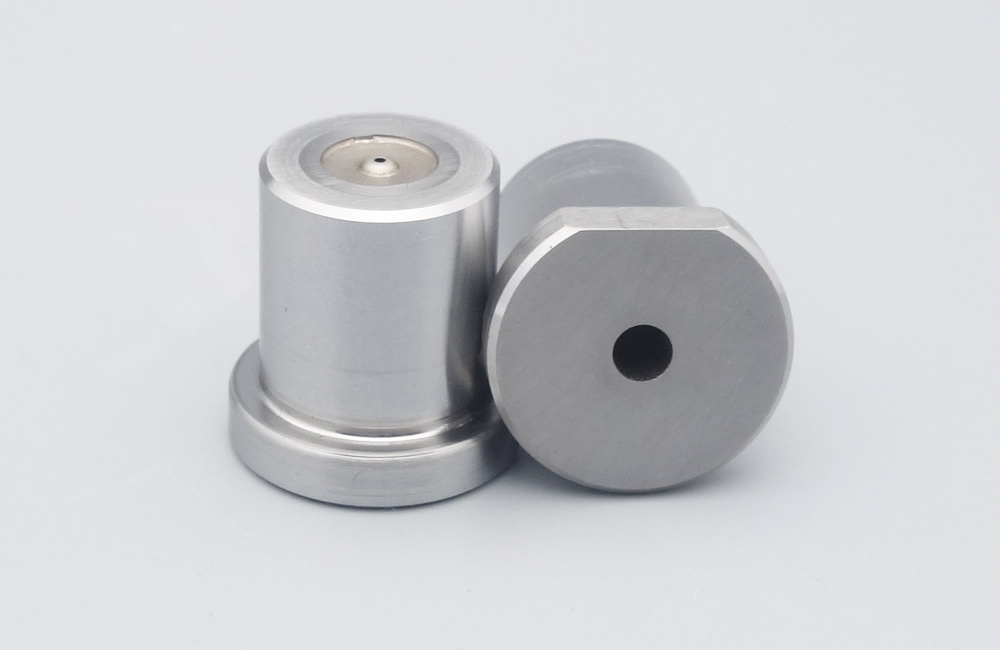
U-Need is a leading producer of top-notch prototypes and machined parts for various applications, whether simple or complex, and whether for single piece or high-volume production. We offer a full range of machining processes, including milling, turning, precision grinding, EDM, wire EDM, and more. Our CNC machining services are designed to exceed your expectations and meet your unique project requirements.

Custom CNC Milling Services

We offer a wide range of milling services, including 3-axis, 4-axis, and high-tech 5-axis CNC mills. Our cutting-edge technology enables us to manufacture accurate components with complex patterns in plastic and metal.

Custom CNC Turning Services

Our state-of-the-art CNC lathes and skilled machinists allow us to produce highly accurate components with exceptional surface finishes, no matter the complexity.

CNC Machining: From Prototyping to Production

We specialize in providing comprehensive CNC machining solutions that cater to every stage of your manufacturing journey. Whether you’re looking for precision prototypes or high-volume production runs, our state-of-the-art technology and skilled team ensure that each component is crafted to perfection.
Sodick EDM
Wire EDM Workshop
5 Axis Machining Center
CNC Large Surface Grinder
CNC Lathe
Optical Profile Grinder
CNC Workshop
EDM Workshop
Grinding Workshop
Seibu Wire EDM

CNC Machining Materials

Choose from over 100 different materials, from soft plastics to hard tungsten carbide and ceramics. Whatever your customization needs for CNC precision parts, you'll find the perfect solution here.

METALS

  • Steel

    Steel
    Steel is a broad category that refers to alloys of iron and carbon with a carbon content ranging from 0.02% to 2.11% by weight.
    Aside from iron and carbon, key components of steel consist of chromium, manganese, molybdenum, nickel, silicon, tungsten, and vanadium.
    Steel exhibits excellent strength, flexibility, ease of machining, thermal conductivity, and responsiveness to heat treatment, making it a popular choice for manufacturing precision components.
     
    Common Grades:
    Steel 1018, 1020, 1025, 1045, 1215, 4130, 4140, 4340, 5140, A36, Die steel, Alloy steel, Chisel tool steel, Spring steel, High speed steel, Cold rolled steel, Bearing steel, SPCC
    Available Finish:
    As machined, Electroplating, Passivation, Powder coating
    Price:
    $$$
     
  • Tungsten Carbide

    Tungsten Carbide
    Tungsten carbide is exceptionally hard and wear-resistant, with high strength and heat resistance. It maintains stability at elevated temperatures but can be brittle and prone to chipping. Additionally, it offers good corrosion resistance and is dense, making it ideal for cutting tools and industrial applications.
    You can rely on us for precision machining of tungsten carbide components, backed by extensive expertise and cutting-edge CNC technology. Our commitment to quality and efficiency ensures that you receive exceptional tungsten carbide products tailored to your specific needs, whether for custom projects or large-scale production.
     
    Common Grades:
    KG5, KG7, and ST7.
    Available Finish:
    As-Machined, Polishing, Lapping, Brushing, Tumbling, Grinding, PVD Coating...
    Price:
    $$$$$$
     
  • Aluminium
    Aluminum
    Aluminum is a valuable industrial material due to its excellent thermal properties and ease of processing. When compared to die steel, aluminum alloy is known for its good machinability, lightweight nature, and high thermal conductivity. While it used to have low strength, advancements have allowed aluminum alloy to now match carbon steel, making it suitable for creating plastic molds. The efficient cooling performance of aluminum alloy has been particularly beneficial in reducing the forming cycle time for plastic bottle blow-forming production.
    U-NEED precision machinery specializes in designing and producing high-quality custom aluminum parts with precision. Our team has the expertise to handle prototyping, small batch production, or full project production using a variety of processing techniques.
     
    Common Grades:
    Aluminum 6061, 6061-T6, Aluminum 2024, Aluminum 5052, Aluminum 5083, Aluminum 6063, Aluminum 6082, Aluminum 7075, 7075-T6, Aluminum ADC12 (A380)
    Available Finish:
    As machined, Anodizing, Powder coating, Electroplating, Painting, Sand blasting, Polishing
    Price:
    $$
  • Stainless Steel

    Stainless Steel
    Stainless steel, also known as stainless and acid-resistant steel, is a type of steel that is resistant to air, steam, water, and weak corrosive mediums. Acid-resistant steel, on the other hand, is resistant to chemical corrosion mediums such as acid, alkali, and salt.
    Stainless steel is a versatile material that is commonly used in various industries due to its excellent heat resistance, corrosion resistance, polishing performance, and high hardness. It is widely used in fields such as automotive, aerospace, medical, and consumer electronics.
    U-Need Precision Machinery has the expertise and knowledge to fabricate custom stainless steel parts and products with high precision tolerance requirements.
     
    Common Grades:
    Stainless Steel SUS201, SUS303, SUS 304, SUS316, SUS316L, SUS42, SUS430, SUS431, SUS440C, SUS630/17-4PH, AISI 304
    Available Finish:
    As machined, Electroplating, Passivation, Powder coating
    Price:
    $$$
     
  • Copper

    Copper
    Copper is a valuable metal that plays a significant role in many industries. It is abundant in nature and possesses exceptional properties such as excellent electrical conductivity, thermal conductivity, ductility, corrosion resistance, and wear resistance. This non-ferrous metal is utilized in a wide range of sectors including power, electronics, energy, petrochemical, machinery, metallurgy, communications, light industry, and emerging industries. In China, copper is the second most consumed non-ferrous material after aluminum.
    There are different types of copper, including pure copper (copper element) and various copper alloys like brass, bronze, and white copper.
    Precision-machined CNC copper parts are commonly used in various applications. Copper alloys are extensively used in the manufacturing of valves, water pipes, air conditioning connecting pipes, and radiators. These materials can be found in electrical products, pipelines, the medical industry, and a variety of consumer goods.
     
    Common Grades Copper C101(T2), Copper C103(T1), Copper C103(TU2), Copper C110(TU0), Beryllium Copper
    Available Finish:
    As machined, Polishing, Sand blasting, Tumbling, Electropolish, Alodine, Heat treatment, Black oxidize, Electroless nickel, Chrome plating, Brushed finish
    Price:
    $$$
     
  • Brass

    Brass
    Brass is a corrosion-resistant alloy that exhibits excellent machinability, making it easy to shape and cut. It has good ductility and malleability, allowing it to be formed into intricate designs.
    With our expertise in machining brass parts, you can expect components expertly tailored to your specific requirements. Our advanced machining techniques and state-of-the-art equipment ensure that every brass part produced is crafted with precision and quality.
     
    Common Grades C36000 and C46400.
    Available Finish:
    As-Machined, Polishing, Lapping, Grinding, Sandblasting, Passivation, Electroplating...
    Price:
    $$$
     
  • Bronze

    Bronze
    Bronze, a mixture of copper and tin, is recognized for its long-lasting quality and ability to resist rust. It is commonly utilized in marine settings, art pieces, and mechanical components due to its robustness and capacity to endure tough conditions.
     
    Common Grades:
    Tin Bronze
    Available Finish:
    As machined, Polishing, Sand blasting, Tumbling, Electropolish, Alodine, Heat treatment, Black oxidize, Electroless nickle, Chrome plating, Powder coating, Brushed finish
    Price:
    $$$
     
  • Titanium

    Titanium
    Titanium is known for its exceptional strength and light weight, making it a popular choice for aerospace and medical implants. Its ability to resist corrosion and compatibility with the human body make it a valuable material for challenging conditions, and its impressive strength-to-weight ratio makes it versatile for use in different industries.
     
     
    Common Grades:
    Titanium Alloy TA1, Alloy TA2, Alloy TC4/Ti-6Al 4V
    Available Finish:
    As machined, Polishing, Sand blasting, Tumbling, Electropolish, Alodine, Heat treatment, Black oxidize, Electroless nickle, Chrome plating, Powder coating, Brushed finish
    Price:
    $$$$$
     
  • Magnesium

    Magnesium
    Magnesium is known for its light weight and durability, making it a popular choice in the aerospace and automotive industries where weight reduction is important. Its ability to be easily shaped allows for intricate designs, and it is also commonly used in electronics for its high conductivity.
     
    Subtypes :
    Magnesium Alloy AZ31B, AZ91D
    Available Finish:
    As machined, Polishing, Sand Blasting, Tumbling, Alodine, Heat treatment, Anodizing, Teflon coating, Electroless nickel, Painting, Powder coating, Electrophoresis
    Price :
    $$$$$


PLASTICS

  • ABS
    ABS
    ABS
    ABS plastic is a type of resin composed of three monomers: acrylonitrile, butadiene, and styrene.
    ABS plastic is known for its strong impact resistance and excellent mechanical properties. It also boasts impressive heat resistance, oil resistance, and chemical stability.
     
    Common Grades:
    ABS Beige(Natural), ABS Blac, ABS Black Antistati, ABS Milky Whit, ABS+PC Black, ABS+PC White
    Available Finish:
    As machined, Sand blasting, Tumbling, Teflon coating, Painting, Powder coating, Electrophoresis
    Price:
    $$
     
  • PC

    PC

    PC
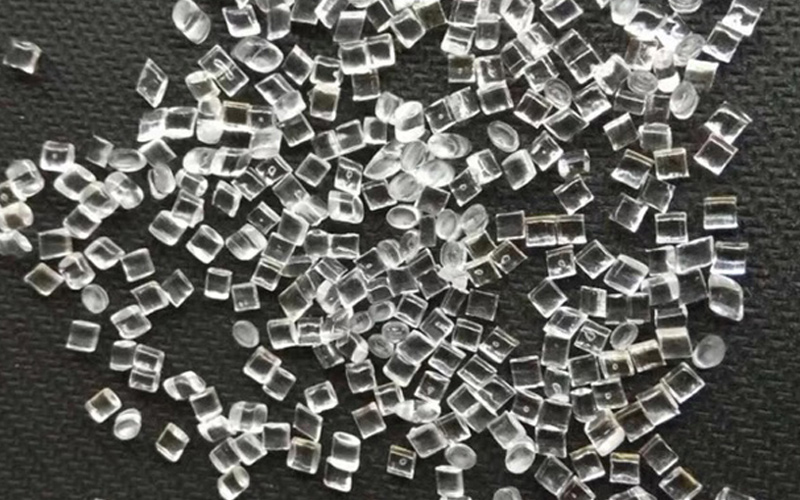
    Polycarbonate plastic exhibits exceptional resistance to impact and creep, along with high heat resistance and good cold resistance. It can withstand temperatures as low as -100 ℃ before becoming brittle. Its bending and tensile strength are comparable to nylon, with high elongation and elastic modulus.
     
    Common Grades:
    Common Grades
    Available Finish:
    As machined, Sand blasting, Tumbling, Painting, Brushed Finish
    Price:
    $$
  • PMMA(Acrylic)

    PMMA (Acrylic)
    PMMA(Acrylic) is a transparent material that is durable, resistant to weather conditions, and does not lose its color over time. It is perfect for use in outdoor settings such as displays, signs, and lighting, as it can withstand various weather conditions.
     
    Subtypes:
    PMMA Black, PMMA Transparent, PMMA White
    Available Finish:
    As machined, Sand blasting, Tumbling, Painting
    Price:
    $
  • POM

    POM

    POM
    Excellent mechanical properties, including high tensile strength, impact strength, rigidity, fatigue strength, and creep resistance. Additionally, it offers good dimensional stability, low water absorption, low friction coefficient, and excellent chemical resistance. Its performance is comparable to nylon, but it comes at a more affordable price.
     
    Common Grades:
    Dark brown (coffee) POM 100AF, POM Black, POM Blue, POM White
    Available Finish:
    As machined, Sand blasting, Tumbling, Painting
    Price:
    $$
  • PA(Nylon)

    PA (Nylon)
    Polyamide has outstanding characteristics. Its low specific gravity, high tensile strength, wear resistance, self-lubricating ability, impact toughness, and combination of rigidity and flexibility make it a versatile material for creating a wide range of products as a metal substitute.
     
    Common Grades:
    PA(Nylon) Blue, PA6 (Nylon)+GF15 Black, PA6 (Nylon)+GF30 Black, PA66 (Nylon) Beige(Natural), PA66 (Nylon) Black
    Available Finish:
    As machined, Sand blasting, Tumbling, Teflon coating, Painting, Powder coating
    Price:
    $$
     
  • PE

    PE

    PE
    Polyethylene is known for being both lightweight and durable, making it an ideal choice for packaging, storage containers, and items requiring strong resistance to impact.
     
    Common Grades:
    HDPE, UHMW-PE, LDPE
    Available Finish:
    As machined, Sand blasting, Tumbling, Painting, Powder coating
    Price:
    $$
  • PEEK

    PEEK
    PEEK is a strong thermoplastic polymer that has a pleasant smell and can withstand high temperatures. It is also resistant to impacts, flames, acids, alkalis, hydrolysis, abrasion, fatigue, radiation, and has good electrical properties.
    Due to its smooth sliding abilities, PEEK is ideal for situations that demand low friction, washing, and wear resistance.
     
    Common Grades:
    PEEK Beige(Natural), PEEK Black
    Available Finish:
    As machined, Sand blasting, Tumbling, Painting, Powder coating
    Price:
    $$$$$
  • PP

    PP

    PP
    This plastic is known for being extremely lightweight. Its performance in terms of yield, tensile strength, compressive strength, and hardness surpasses that of low-pressure polyethylene. Additionally, it boasts exceptional rigidity, resistance to stress relaxation, and heat resistance up to temperatures as high as 90 ℃.
     
    Subtypes:
    PP Black, PP White, PP+GF30 Black
    Available Finish:
    As machined, Sand blasting, Tumbling, Painting, Powder coating
    Price:
    $
     
  • PETG

    9-PETG
    PETG exhibits favorable viscosity, transparency, color retention, chemical resistance, and resistance to stress whitening.
    PETG boasts exceptional processing and molding capabilities, allowing for the creation of designs in any desired shape as per the designer's vision.
     
    Common Grades:
    PET Black, PET White, PET+GF30 Black, PET+GF30 White
    Available Finish:
    As machined, Sand blasting, Tumbling, Teflon Coating, Painting
    Price:
    $$
  • PTFE(Teflon)

    PTFE(Teflon)
    It has excellent chemical stability, is not effective with strong acids, strong bases, or strong oxidants, has a high heat resistance and cold resistance, has a service temperature of – 180~250 ℃, has a low friction coefficient, and is an excellent self-lubricating material.
     
    Common Grades:
    Teflon (PTFE) Black, Teflon (PTFE) White
    Available Finish:
    As machined, Sand blasting, Powder coating, Brushed finish
    Price:
    $$
     
  • PF (Bakelite)

    11. PF (Bakelite)
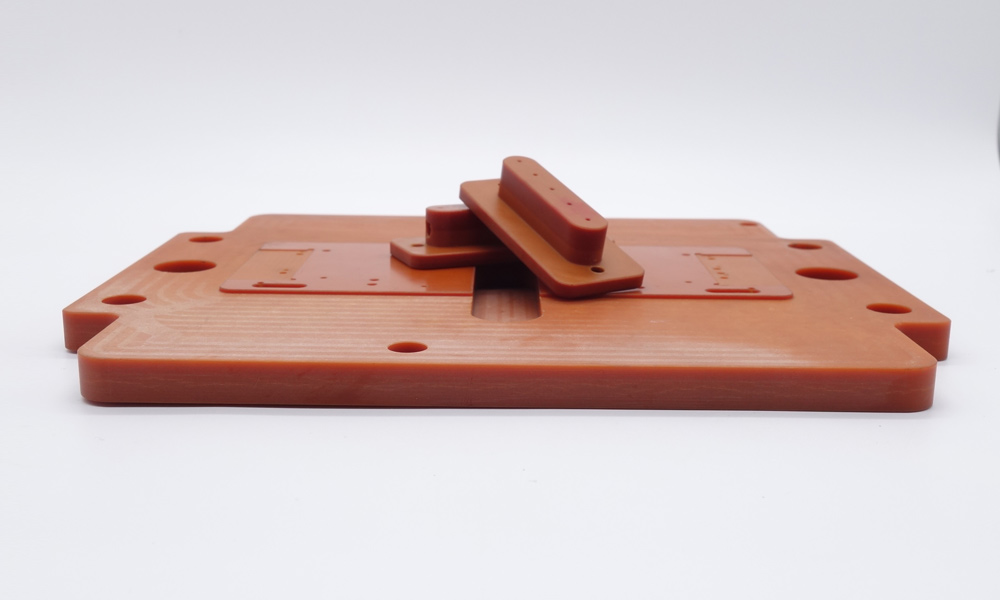
    Bakelite is known for its ability to withstand high temperatures, insulate electricity, and resist wear and tear. It is commonly used in electrical insulation and antique electronic devices, where reliability and longevity are important factors.
     
    Subtypes:
    Bakelite Black, Bakelite Orange
    Available Finish:
    As machined, Painting, Powder coating, Brushed finish
    Price:
    $$
  • PU

    PU

    PU
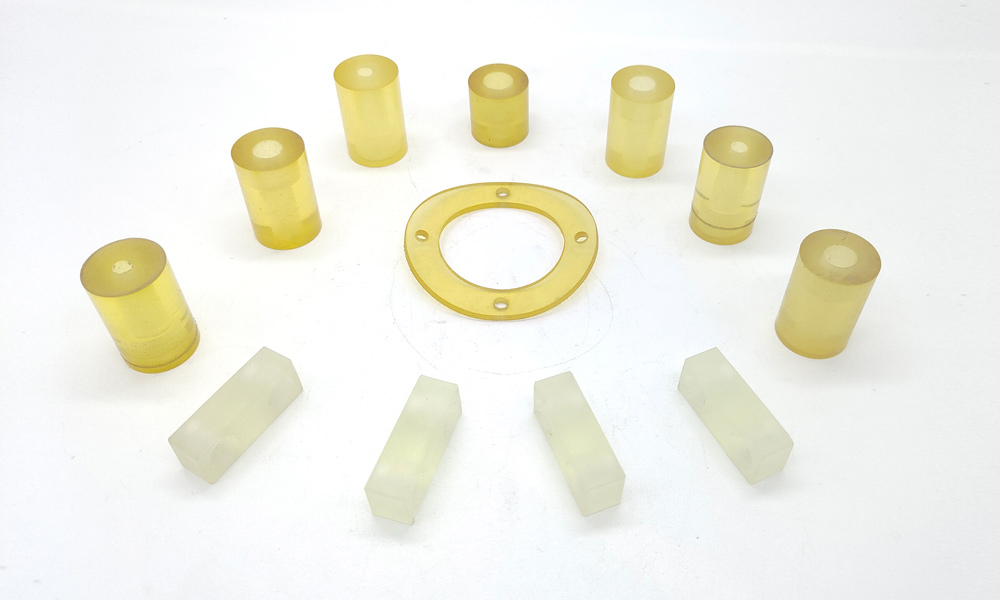
    PU plastic has the rigidity of plastic and the elasticity of rubber.
    It has pressure and shock resistance, impact resistance, oil resistance, acid and alkali resistance, and excellent wear resistance.
    PU series elastomer has superior tensile strength, tear resistance, high elasticity, high-pressure load resistance, wear resistance, and other characteristics.
    It is easy to cut, grind, drill, and perform other machining processes.

     
    Common Hardness Grades:
    80 Shore, 85 Shore, 90 Shore, and 95 Shore.
    Price:
    $$

SPECIAL MATERIAL

  • Ceramics

    3. Ceramics
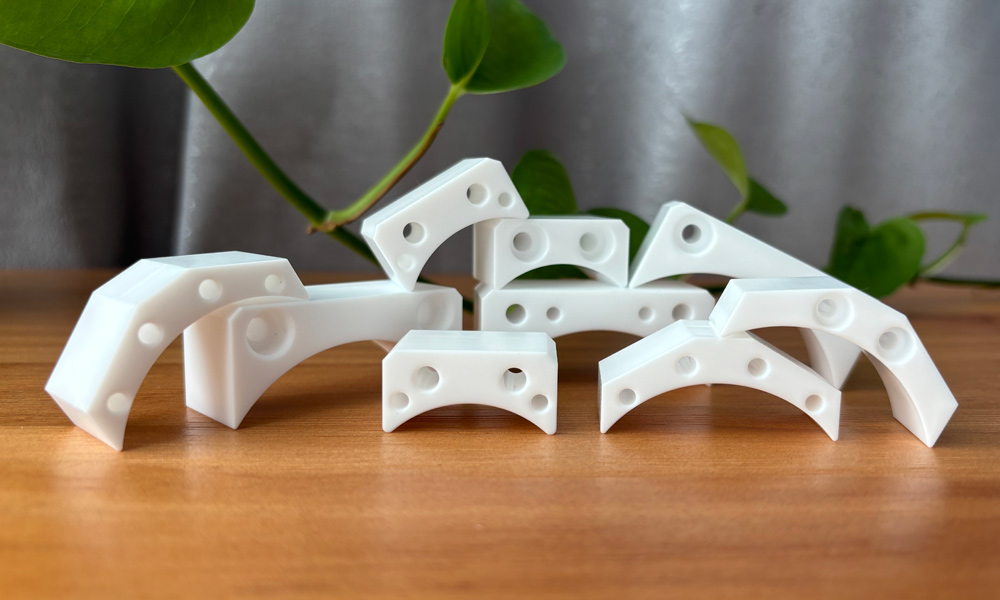
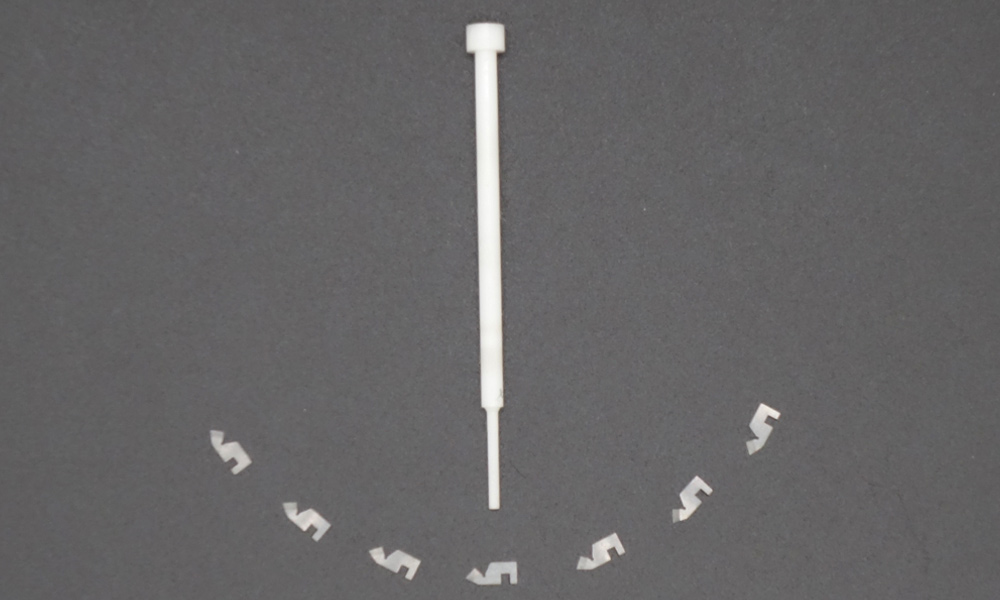
    Ceramics are characterized by high hardness, brittleness, excellent thermal stability, low friction, chemical resistance, electrical insulation properties, and the ability to achieve tight tolerances.
    Our expert team understands the unique properties of ceramics and can achieve tight tolerances, making our parts ideal for demanding applications across various industries. With unmatched wear resistance and chemical stability, our ceramic machining solutions promise enhanced performance and longevity.
     
    Common Grades:
    Alumina Ceramic, Zirconia Ceramics, and Aluminum Nitride Ceramics.
    Available Finish:
    As-Machined, Polishing, Lapping, Grinding, Electroplating, PVD Coating...
    Price:
    $$$$$$
     
CNC Machining Surface Finishes
With over ten different surface finishes available, our extensive selection enables you to find the perfect finish for your project, enhancing both aesthetics and functionality. Whatever your vision may be, we have the expertise to bring it to life.
As Machined
Finishing Method: 5-Axis CNC process itself
Description: The surface directly after machining, with visible tool marks
Key Advantages: Typically used for functional parts where aesthetics are not critical.
Brushing
Finishing Method: Mechanical Finishing (Abrasive Methods)
Description: Using abrasive brushes or pads to create fine lines or a distinctive grain pattern.
Key Advantages: Common on consumer electronics (e.g., brushed aluminum)
Black oxidize / Blackening
Finishing Method: Chemical Finishing
Description: This process involves a chemical reaction that forms a thin layer of black iron oxide on the surface.
Key Advantages: Commonly used for ferrous materials, primarily steel.
PVD Coating
  • Finishing Method: Coatings
  • Description: A vacuum deposition method to produce thin, extremely hard, and wear-resistant coatings, e.g., TiN, TiCN
  • Key Advantages: Common for tools and high-wear components.
Polishing / Buffing
Finishing Method: Mechanical Finishing (Abrasive Methods)
Description: A method of using uses progressively finer abrasives to achieve a shiny, reflective surface.
Key Advantages: Can be done chemically or mechanically, often used on metals like stainless steel and aluminum.
Tumbling / Vibratory Finishing
Finishing Method: Mechanical Finishing (Abrasive Methods)
Description: Parts are placed in a rotating barrel or drum with abrasive media to remove burrs, smooth sharp edges.
Key Advantages: Excellent for high-volume small parts.
Passivation
Finishing Method: Chemical Finishing
Description: A nitric acid bath that removes free iron from the surface and enhances the natural chromium oxide layer, restoring maximum corrosion resistance.
Key Advantages: Common for Stainless steel machining parts.
Surface Hardening
Finishing Method: Heat Treatment
Description: Techniques like carburizing or nitriding to harden the surface while maintaining a tough interior.
Key Advantages: Increases wear resistance and lifespan of components.
Lapping
Finishing Method: Mechanical Finishing (Abrasive Methods)
Description: A process that uses abrasive slurry to produce a very fine, smooth finish.
Key Advantages: Often used for critical components requiring high precision.
Grinding
Finishing Method: Mechanical Finishing
Description: A precision finishing process that can produce very smooth surfaces.
Key Advantages: Often used for hard materials to achieve tight tolerances.
Electroplating
Finishing Method: Coatings
Description: the process that forms a thin metal layer on the surface, e.g., nickel plating, chroming plating, zincing.
Key Advantages: Commonly used for metal parts, providing corrosion resistance, wear resistance, or appearance.
Electropolishing
Finishing Method: Advanced & Specialized Finishes
Description: An electrochemical process that removes a thin layer of material, enhancing the finish and reducing roughness.
Key Advantages: Commonly used for stainless steel parts to improve corrosion resistance.
Sandblasting / Bead Blasting
Finishing Method: Mechanical Finishing (Abrasive Methods)
Description: A process where small beads or sands are blasted against the surface to create a uniform texture.
Key Advantages: Often used for aluminum and plastics to improve grip and reduce glare.
Anodizing
Finishing Method: Chemical Finishing
Description: An electrochemical process that increases corrosion resistance and surface hardness.
Key Advantages: Commonly used for aluminum parts, providing color options and improved wear resistance.
Powder Coating
Finishing Method: Coatings
Description: A dry powder is electrostatically applied and then cured under heat to form a hard, durable, decorative, and protective skin.
Key Advantages: Enhances durability and can add color or texture.

Tolerances for CNC Machining _______

Our CNC machines operate with precision tolerances that meet industry standards, ensuring that every part is consistently accurate and fits perfectly with other components.
  Description
General 
Tolerances
Metals : lSO 2768-f
Plastics : ISO 2768-m
Precision 
Tolerances
U-Need has the capability to produce and examine components with precise tolerances based on your design requirements and geometric dimensioning and tolerancing (GD&T) notes, including tolerances smaller than +/- 0.005mm.
Min Wall 
Thickness
0.5mm
Min End Mill Size 0.5mm
Min Drill Size 1mm
Production Volume Prototoyping: 1-100 pcs
Low volume: 101-10,000 pcs
High volume: Above 10,001 pcs
Lead Time Most projects are completed within 5 business days.
Simple parts can be delivered in as little as 1 day.

Customer Success Story

U-Need collaborates with businesses in the automotive, aerospace, medical, electronics, and robotics sectors. Whether you are a small innovator or a large corporation, we offer CNC machining services that are relied upon globally.
Cosmetics
The Solution for Bottle Mouth Thread Alignment
Bottle mouth thread alignment is essential for producing high-quality bottle caps and ensuring proper sealing, which has been a bottleneck in the industry. U-Need has addressed this issue by continuously studying, improving jigs, and refining processes.

Why Choose Us

/01
 
Quotation on Rapid Action
 
We will send you quotation within 5~7 hours in working time after receiving your drawing.
 
/04
 
Superior Quality Products
 
A complete set of inspection equipment and quality control processes makes excellent CNC machine products.
/02
 
No MOQ
 
All the parts or products are tailor made according to your requirements.
One piece is also available.
 
/05
 
Quick Delivery Service
 
Fully-equipped,fine shipping process and good supplier guarantee that we can always deliver the goods on time.
 
/03
 
Rich Experience
 
More than 30 years
experience, our team has accumulated rich experience in design and manufacturing.
/06
 
After-sales Service
 
We are responsible for every product that we sell. And we are responsible for each our customer.
 
Ready to get started?

China’s CNC Machine Shops. Ship Globally

Whether you’re creating a small batch of custom parts or scaling up for high-volume production, U-NEED custom CNC machining services offer the flexibility you need.
200+
Machines Set
0.0002''(0.005mm)
Tight Tolerance
1 Day
Fast Lead Time

CNC Machining Services: 99.3% Qualification Rate

With over 30 years of experience in custom precision parts, U-Need prioritizes quality through our comprehensive approach. We maintain meticulous control over every aspect of production, achieving an impressive 99.3% qualification rate. Our commitment to excellence ensures that you receive only the highest quality custom parts tailored to your specific needs.

U-Need CNC Machining Solutions

No matter if you are making a few unique parts or increasing production for a large quantity, U-Need's custom CNC machining services provide the adaptability you require.

U-Need Prototyping

Our prototyping support helps clients accurate testing and risk reduction.

  Risk Reduction
Ensures speed, flexibility, and functional verification, reducing risks in later production
stages.
 
 Testing Support
Employs rapid prototyping technologies such as CNC machining and 3D printing for
effective testing.
 
  Iterative Refinement
Facilitates quick design iterations and tooling modifications to perfect the product.

Low-Volume Production

Our small batch manufacturing services are designed to be flexible and responsive to the
market.
  Marketing Testing
Serves as a seamless bridge to mass production, emphasizing process validation and market testing.
  Process Improvement
Finalizes manufacturing processes, establishes quality control protocols, and provides
initial units for market launch or further testing.
  Demand Flexibility
Enables adjustments in production processes to meet market changes and customer
demands.

Mass Production

With our strong resource integration, we meet high efficiency and cost-effectiveness
needs.
  High Efficiency
Our robust supply chain integration is characterized by scalability and efficiency.
  Cost Reduction
Focuses on process optimization and quality control improvements to minimize unit costs.
 High Consistency
Ensures product quality and consistency to meet exact specifications for every product.

CNC Machining for Various

Industries

U-Need is not limited to CNC machining parts; we also provide injection molds, stamping dies, cold forging molds, and more. So our industry applications almost cover all walks of life.
Auto
Auto
Electronics
Electronics
Medical Treatment
Medical Treatment
Machinery
Machinery
Aerospace
Aerospace
Information Industry

CNC Machining FAQs _____

  • What is the typical lead time for receiving a part after placing an order?

    The time it takes to receive a CNC machined part from U-Need can vary based on a few factors. These include the complexity of the part's design, the type of material chosen, and our current production schedule. CNC machining is known for its speed, especially for simpler parts, which allows for fast turnaround times. In fact, parts can be delivered in as little as one day after the machining setup is finished! For the most accurate estimate of time tailored to your project, we suggest reaching out to us directly for a detailed quote. This way, we can give you a precise timeframe based on your specific needs.


  • Does U-Need have a minimum order quantity requirement for CNC machining services?

    At U-Need, we recognize the varied requirements of our clients, from individual prototypes to extensive production batches. As a result, we do not impose a rigid minimum order quantity (MOQ). Whether you need a single machined component or a large quantity, we are prepared to deliver customized solutions that align with your exact specifications. Our adaptable method guarantees that every customer, no matter the size of their order, receives top-notch service and excellence.
  • What is the pricing for your CNC machining service?

    The cost of our CNC machining service can vary depending on the specific details of your project, such as design and tolerance requirements. The type of material chosen and the machining time required also play a significant role in determining the overall cost. For example, if the total cost for machining and material for one part is $2, with an additional setup fee of $200, the total cost for that part would be $202. However, if you were to order 200 identical parts, the cost per unit would be reduced to just $3. Find out more about the costs associated with CNC machining.
  • Could you share information about your CNC machining capabilities?

    Absolutely! At U-Need, we are able to produce more than 10,000 different prototypes every month, which include both simple and intricate designs. Our manufacturing abilities are backed by a fleet of over 200 advanced CNC machines. We are also proud of our team of over 100 experienced technical professionals who guarantee accuracy and excellence in every job. This comprehensive setup enables us to handle high-volume orders effectively, establishing us as a trustworthy ally for all your CNC machining requirements. Regardless of the size of your project, our facilities are equipped to provide top-notch results.
  • What is a CNC machine and how does it operate?

    A machining center is a sophisticated CNC machine that can perform milling, drilling, and tapping tasks in one setup. This setup improves efficiency and accuracy by eliminating the need to move parts between machines. Machining centers have a tool turret or magazine that can hold various tools, allowing for automatic tool changes controlled by CNC. This feature enables quick transitions between tasks, streamlining production. These machines are essential for manufacturing intricate parts that need precise machining from different angles, making them crucial in today's manufacturing industry.
  • What are the achievable tolerances in CNC machining?

    CNC machining is well-known for its precision and ability to produce intricate and detailed parts with tight tolerances. Typically, standard CNC machining can maintain tolerances within ±0.01 inches (±0.127 mm). At  u-need, we adhere to standardized tolerances unless otherwise specified. For projects requiring even higher precision, advanced CNC machines can achieve tolerances as tight as ±0.0002 inches (±0.005 mm) under ideal conditions. The achievable tolerance is influenced by factors such as material, part geometry, size, and the specific type of CNC machine being used. This level of precision makes CNC machining the preferred choice for industries that demand highly accurate components, including aerospace, medical, and automotive sectors.

  • Have you ever wondered about the significance of G and M codes in CNC machines?

    G and M codes serve as the command languages utilized in CNC machining for the purpose of managing CNC machine tools. G-codes are mainly utilized to dictate the machine's movements, including linear interpolation, circular motions, and other particular functions associated with the tool's actual path. On the contrary, M-codes are responsible for managing machine functions that are not directly linked to the tool's path, like powering the machine on or off, initiating or halting the spindle, and regulating coolant flow. When combined, G and M codes offer a thorough set of directives that CNC machines adhere to in order to fabricate parts with precision and efficiency.
  • Who is considered the pioneer of CNC manufacturing technology?

    John T. Parsons is widely recognized as the pioneer of CNC machining. In the late 1940s, Parsons introduced the first numerical control techniques in the production of helicopter rotor blades. Teaming up with engineer Frank L. Stulen, Parsons devised a method that utilized punched tape to direct machine tools. This groundbreaking approach laid the foundation for the advancement of CNC (Computer Numerical Control) technology. Their innovative efforts led to the development of the first CNC machines in the 1950s, transforming the manufacturing industry by enhancing the accuracy, productivity, and consistency of machining processes.
  • Have you ever wondered about the distinctions between 3D printing and CNC machining?

    Production Process: The process of creating products using 3D printing involves adding layers of materials like plastic or metal, while CNC machining involves removing material from a solid block to achieve the desired shape.

    Efficient Use of Materials: 3D printing is known for its minimal waste as it only uses the necessary amount of material for each part, whereas CNC machining can result in more waste due to its subtractive method.

    Speed and Cost Efficiency: When it comes to producing small quantities and intricate designs, 3D printing is often quicker and more cost-effective. On the other hand, CNC machining is better suited for larger production runs and materials that require high levels of precision and strength.

    Quality of Finish and Precision: CNC machining is typically superior in achieving smooth surface finishes and precise tolerances compared to 3D printing.
  • What are the benefits and drawbacks of using CNC machining technology?

    Advantages of Computer Numerical Control (CNC) Machining
    Precision and Consistency: CNC machining guarantees precise and consistent reproduction of parts, essential for intricate designs with strict tolerances. Minimized Human Error: The automated process of CNC machining reduces the risk of human error, improving the overall quality of manufacturing. Productivity and Speed: Automation enables faster production cycles, leading to quicker turnaround times compared to manual methods. Versatility in Materials: CNC machines can handle a wide range of materials, such as metals, plastics, and composites, providing flexibility for various applications. Integration of Software: Advanced CNC software allows for quick design modifications and updates, simplifying rapid prototyping and customization. Cost-Effective for Large Productions: Although initial setup costs are high, the per-unit costs decrease significantly with larger production quantities, making it a cost-effective option for mass production.

    Disadvantages of CNC Machining
    High Initial Investment: CNC machinery and its upkeep require substantial financial investments, resulting in expensive setup costs, particularly for small-scale businesses. Skill Demands: Operating CNC machinery requires specialized training and expertise, which can be a challenge for individuals without the necessary skills.
  • What are the uses of CNC machining?

    CNC machining is utilized in various industries for a multitude of purposes.

    In the automotive and aerospace fields, CNC machining is employed to produce accurate engine parts, structural components, and intricate elements.
    The medical sector utilizes CNC technology to manufacture medical devices, implants, and surgical tools.
    CNC plays a vital role in the electronics industry by facilitating the production of electronic enclosures, circuit boards, and connectors.
    Machine tool manufacturers depend on CNC machining to create intricate molds, dies, and machine parts. Additionally,
    CNC machining is essential for producing custom parts, prototypes, woodworking projects, and more, ensuring consistent quality and precision.

CNC Machining Resources

  • Top Punch And Die Manufacturers And Suppliers in Germany

    2026-02-03

    Discover the leading Top Punch And Die Manufacturers And Suppliers in Germany. Explore their advanced technologies, applications, and benefits for global OEMs like U-NEED seeking precise, durable, and efficient stamping and forming solutions from trusted German partners. Read More
  • Top Cold Forging Tools Manufacturers And Suppliers in Lithuania

    2026-02-02

    This article analyzes why Lithuania is emerging as a hub for Top Cold Forging Tools Manufacturers And Suppliers in Lithuania, outlines key capabilities and representative companies, and explains how Chinese OEM U-NEED can cooperate with Lithuanian partners to offer integrated, global metalworking solutions. Read More
  • Top Cold Forging Tools Manufacturers And Suppliers in Ireland

    2026-02-01

    Top Cold Forging Tools Manufacturers And Suppliers in Ireland support automotive, industrial and construction markets with high‑precision tooling. Learn how Irish engineering and Chinese OEM partners combine to deliver cost‑effective, reliable cold forging tool solutions. Read More
  • Top Cold Forging Tools Manufacturers And Suppliers in Denmark

    2026-01-31

    Discover the Top Cold Forging Tools Manufacturers And Suppliers in Denmark, their core capabilities, and how they integrate with Chinese OEM producer U‑NEED to build a high‑quality, cost‑efficient global cold forging supply chain for demanding industrial applications. Read More
  • Aluminum Extrusion Process: Complete OEM Guide for High‑Performance Profiles

    2026-01-30

    Learn how the aluminum extrusion process works from die design to finishing, and how to choose alloys, design better profiles, and partner with a Chinese OEM like U-NEED to integrate extrusion with CNC machining, plastics, silicone, and stamping for global projects. Read More

Experience U-Need Now!

U-Need Precision Machinery Co., Ltd.
  +86 0769 23225585
 +86 15916761371
  contact@uneedpm.com
  Room 401-1, Building 4, SongHuZhiGu Research Center, No.6 Minfu Road, Liaobu Town, Dongguan City, Guangdong Province, China
523425

CAPABILITIES

RESOURCES

ABOUT

Subscribe
Copyright © U-Need Precision Machinery Co., Ltd. All rights reserved.     Privacy Policy  Sitemap