Views: 222 Author: Rebecca Publish Time: 2026-01-01 Origin: Site
Content Menu
● Pros and Cons of Plasma Cutting Aluminum
● Plasma vs Laser vs Waterjet for Aluminum
>> Aluminum Cutting Methods Overview
● How Plasma Cutting Works on Aluminum
● Best Gases for Plasma Cutting Aluminum
● Key Process Parameters and Setup
>> Torch Height and Pierce Height
● Practical Tips for Clean Aluminum Plasma Cuts
● Design Considerations for Plasma‑Cut Aluminum Parts
● Safety When Plasma Cutting Aluminum
● When to Choose Plasma Cutting for Aluminum
● Call to Action: Turn Designs into Reliable Aluminum Parts
● FAQs About Plasma Cutting Aluminum
>> 1: Is plasma cutting aluminum safe?
>> 2: How thick of aluminum can a plasma cutter cut?
>> 3: Does plasma cutting leave a heat‑affected zone on aluminum?
>> 4: Which gas is best for plasma cutting thick aluminum?
>> 5: When should I choose laser or waterjet instead of plasma for aluminum?
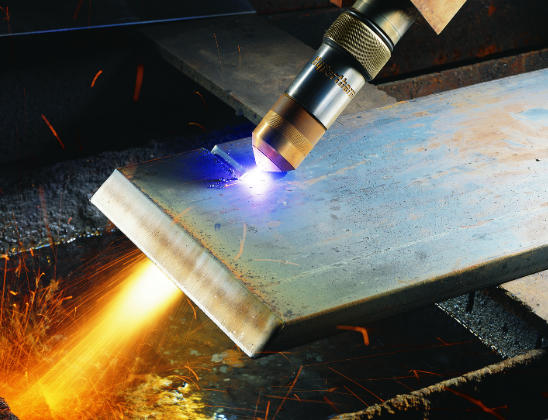
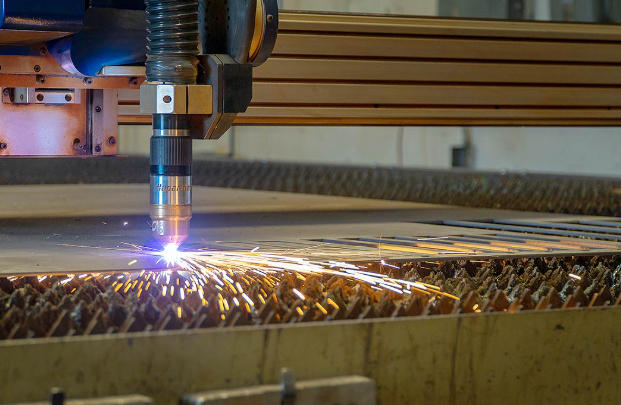
Plasma cutting uses an electrically conductive gas, heated to a plasma state, to melt and blow away metal along a cut path. A power supply, torch, consumables, and CNC or hand guidance work together to maintain a stable arc between the electrode and the workpiece.[5]
- The process works on any electrically conductive metal, including aluminum, steel, stainless steel, and copper.[2][3]
- Cut quality and speed depend on amperage, gas type, torch design, and the material's thickness and thermal properties.[4][1]
For aluminum, the high thermal conductivity and low melting point demand careful control of heat input and travel speed.[4]

Plasma can definitely cut aluminum and is widely used for this purpose in fabrication, construction, and OEM workshop environments. Today's high‑definition and X‑Definition plasma systems achieve clean edges and competitive tolerances on aluminum plate.[6][3][1][2]
Key points:
- Plasma cuts most common aluminum alloys and tempers, from thin sheet up to around 50 mm or more with high‑amperage systems.[3][7][4]
- Typical applications include brackets, machine frames, guards, panels, agricultural equipment, and vehicle parts.[1][6]
- Anodized aluminum can be cut but the high heat often damages the anodized surface near the cut, so these parts may require post‑finishing or masking.[2]
- High cutting speed on medium and thick aluminum compared with many mechanical methods, improving productivity.[8][3]
- Cost‑effective equipment and consumables compared with high‑power fiber lasers for thicker plate.[7][9][4]
- Good performance on reflective materials; plasma is not damaged by back‑reflection the way some lasers can be.[9]
- More dross and a wider heat‑affected zone than waterjet or optimized laser cutting on thin sheet, which may require grinding or secondary finishing.[10][4]
- Tolerances and edge smoothness are usually lower than those of fine laser cutting, especially on thin, high‑precision parts.[10][7]
- Heat can distort thin aluminum sheets if amperage, speed, and fixturing are not optimized.[11][4]
For OEM buyers and engineers, aluminum cutting method selection is critical for cost, quality, and lead time.[7][9]
| Aspect | Plasma cutting aluminum | Laser cutting aluminum | Waterjet cutting aluminum |
|---|---|---|---|
| Typical thickness range | Very efficient on medium and thick plate; can reach 25–50 mm with suitable systems. | Excels on thin to medium sheet, often up to around 12 mm for high productivity. | Handles very thin to very thick materials; 50 mm+ possible with the right setup. |
| Edge quality | Good, but with visible kerf and some dross that may need cleanup. | Very fine, narrow kerf and smooth edges on thin aluminum. | Excellent, with no heat‑affected zone; surface usually ready for finishing. |
| Speed | Very fast on thicker sections; often faster than laser beyond ~16–20 mm. | Very fast on thin sheet; speed decreases and cost rises on thick plate. | Slower than plasma and often slower than laser, especially on thick plate. |
| Heat effects | Noticeable HAZ and potential distortion on thin aluminum if not controlled. | Smaller HAZ on thin sheet but reflective aluminum can challenge some systems. | No thermal distortion or HAZ; purely mechanical erosion. |
| Cost level | Lower machine and operating cost than high‑power fiber lasers for heavy work. | Higher capital cost and high operating cost at large thickness or power. | High operating cost (abrasive, pump) and slower throughput. |
In practice, plasma is a strong option when speed and affordability matter more than micron‑level precision, especially above 12–20 mm thickness.[10][7]
Aluminum's properties make it behave differently from steel during plasma cutting.[2][4]
- High thermal conductivity spreads heat quickly, which can widen the kerf and increase dross if speed and amperage are not tuned.[4]
- Low melting point means the metal melts easily, so arc energy must be controlled to avoid excessive melting and edge rounding.[13][4]
- Surface oxides and coatings (such as anodizing) can affect arc stability and surface finish.[2]
A stable, high‑energy arc with correct gas composition helps maintain a narrow, well‑defined cut.[6][1]
Gas selection has a major impact on cut quality, speed, and cost.[1][6][4]
- Compressed air:
- Common, economical choice for many workshops.
- Suitable for general‑purpose cuts but can leave more oxide and dross, affecting weld quality if not cleaned.[14][3]
- Nitrogen or nitrogen/hydrogen mixtures:
- Good for thin aluminum where cleaner, brighter edges are desired.[14][4]
- Often used with mechanized systems for higher quality cuts.[6][4]
- Argon/hydrogen mixtures:
- Preferred for thick aluminum plates, giving a smooth, shiny edge and reduced dross.[6][4]
- Common in high‑definition or X‑Definition plasma systems used in industrial cutting cells.[1][6]
Choosing the right gas is part of process optimization for repeatable, high‑quality OEM parts.[4][1]
Getting the most from plasma cutting on aluminum requires optimizing equipment settings and fixturing.[15][4]
- Use higher amperage and faster travel speeds than for steel of the same thickness to reduce dross and minimize heat input.[14][4]
- Match amperage and speed to material thickness; too slow or too low power increases edge bevel and slag.[15][4]
- Maintain correct torch‑to‑work distance to achieve a narrow, focused arc and consistent kerf width.[15]
- Correct pierce height avoids blowback damage to consumables and preserves cut quality.[15]
- Use a well‑designed water table or downdraft table to control fumes and reduce plate warping.[11][4]
- Ensure aluminum plates are properly supported and flat to prevent vibration and dimensional errors.[15]
Several simple practices improve results for production parts.[11][14][4]
- Thoroughly clean the aluminum surface to remove oil, paint, or heavy oxide before cutting.[13][4]
- Apply anti‑spatter or welding spray to the torch nozzle to reduce buildup and extend consumable life.[4]
- Use high‑quality consumables and replace electrodes and nozzles before cut quality deteriorates.[14][15]
- Allow adequate cooling time between cuts on thicker plates to minimize warping.[11][4]
These practices are especially important for OEM production where repeatability and downstream finishing matter.
For engineers, designing with plasma cutting in mind helps avoid quality problems and extra cost.[6][4]
- Keep minimum hole diameter at least equal to the plate thickness, or larger, to maintain roundness and limit taper.[15]
- Avoid extremely small features and narrow bridges that are sensitive to heat and may deform.[6][4]
- Specify realistic tolerances; plasma is efficient for “fabrication‑grade” parts rather than ultra‑tight CNC‑machined tolerances.[7][10]
Combining plasma cutting for blanking with secondary CNC machining for critical features is common in high‑value aluminum assemblies.[9][6]
Plasma cutting produces intense light, noise, and fumes that must be managed carefully.[11]
- Wear appropriate PPE: flame‑resistant clothing, gloves, safety shoes, ear protection, and a welding helmet with suitable shade.[11]
- Provide local fume extraction or a properly ventilated cutting area to handle aluminum oxide and other emissions.[11]
- Keep flammable materials away from the cutting zone, and follow equipment manufacturer guidelines for maintenance and grounding.[15][11]
Safety controls are essential in any professional cutting cell or OEM workshop.
Plasma cutting is a strong choice for aluminum when the following conditions apply.[3][7][4]
- Material thickness is medium to thick, and throughput is a priority.
- Parts are structural or fabrication‑grade, where small cosmetic imperfections can be removed or are acceptable.
- A balance of speed, investment cost, and flexibility is more important than the finest possible edge quality.[9][7]
In many factories, laser, plasma, and waterjet coexist, with plasma handling the high‑volume, heavier thickness work.[10][7]
For overseas buyers and product teams, working with an experienced OEM manufacturer simplifies aluminum cutting decisions.[13][6]
- An expert shop can recommend plasma vs laser vs waterjet based on your drawings, tolerances, and annual volume.[7][9]
- Process engineers optimize parameters and nesting to reduce cost per part and improve consistency across batches.[4][6]
- Integrated facilities combine cutting, machining, forming, and finishing for a one‑stop solution from prototype to mass production.[9][6]
This approach reduces supply chain complexity and shortens time‑to‑market for new aluminum products.
If your project requires high‑quality aluminum plates or profiles with a practical balance of speed, cost, and cut quality, partnering with a professional OEM manufacturer is the most efficient route. Share your 2D drawings or 3D models, target tolerances, and annual quantity, and a specialist team can recommend the best cutting process, optimize plasma parameters where appropriate, and deliver ready‑to‑assemble parts on your schedule.[3][6][4]
Yes, plasma cutting aluminum is safe when the operator uses proper PPE, fume extraction, and follows equipment manufacturer guidelines for grounding and maintenance.[11][15]
Modern plasma systems can cut typical aluminum plates from thin sheet up to around 25–50 mm, depending on machine amperage and gas setup.[3][7][4]
Yes, plasma cutting creates a heat‑affected zone on aluminum, though correct parameters and, in some systems, water‑injection technology can keep it relatively small.[4][11]
For thick aluminum plate, argon/hydrogen gas mixtures often provide the best combination of cut quality, edge smoothness, and productivity.[6][4]
Choose laser for very fine detail on thin sheets, and waterjet when you must avoid any heat‑affected zone or need excellent surface finish without thermal distortion.[12][10][7]
[1](https://www.hypertherm.com/en-US/resources/more-resources/blogs/plasma-cutting-aluminum/)
[2](https://espritautomation.com/plasma-cutting-aluminium/)
[3](https://tampasteel.com/plasma-cutting-aluminum/)
[4](https://plasmacuttingfactory.com/plasma-cutting-aluminum-tips/)
[5](https://en.wikipedia.org/wiki/Plasma_cutting)
[6](https://www.makerverse.com/resources/sheet-metal/the-guide-to-plasma-cutting-aluminum/)
[7](https://www.shopsabre.com/laser-vs-plasma-cutting/)
[8](https://www.hypertherm.com/resources/more-resources/blogs/plasma-cutting-vs-laser-cutting/)
[9](https://www.rapiddirect.com/blog/laser-cutting-vs-plasma-cutting/)
[10](https://www.adhmt.com/laser-cutting-machine-vs-plasma-cutting-machine/)
[11](https://esab.com/us/nam_en/esab-university/articles/plasma-cutting-aluminum-and-steel/)
[12](https://www.tymetal.com/blog/laser-cutting-vs-plasma-cutting/)
[13](https://seathertechnology.com/aluminum-cutting/)
[14](https://www.cyriousmetalworks.com/can-a-plasma-cutter-cut-aluminum-a-brief-guide/)
[15](https://www.hypertherm.com/resources/more-resources/articles/basic-tips-to-improve-plasma-cut-quality/)
[16](https://www.youtube.com/watch?v=3sDHm062Vl4)
[17](https://premierplasmacnc.com/blogs/learning-material/can-you-cut-aluminum-with-premier-plasma-cnc-tables)
[18](https://www.youtube.com/watch?v=YXQpnxGdJ5s)
[19](https://www.reddit.com/r/Machinists/comments/5o8w82/aluminum_plasma_cutting_tips/)
[20](https://www.youtube.com/watch?v=-zeN-pxOg84)


