Views: 222 Author: Rebecca Publish Time: 2026-01-21 Origin: Site
Content Menu
● What Are Custom Sheet Metal Enclosures in Automation?
● Why Sheet Metal Is Ideal for Industrial Automation Enclosures
● Key Industries Using Custom Sheet Metal Automation Enclosures
● Material Choices for Custom Sheet Metal Enclosures
>> Aluminum
● Design Considerations for Automation Enclosures
>> Accessibility and Maintenance
>> Ingress Protection (IP) Rating
>> Mounting and Mechanical Integration
● How Custom Sheet Metal Enclosures Support Automation Reliability
● From Prototype to Production: Fabrication Processes That Matter
● Practical Steps to Specify a Custom Sheet Metal Enclosure
>> 2. Map components and layout
>> 3. Choose material and finish
>> 4. Define access and cable management
>> 5. Set performance and compliance targets
>> 6. Align on documentation and quality
● What to Look for in a Custom Sheet Metal Enclosure Partner
● The UPTIVE Approach to Custom Automation Enclosures
● Strong CTA: Start Your Custom Sheet Metal Enclosure Project
● FAQs: Custom Sheet Metal Enclosures for Industrial Automation
>> 1. What information do I need to provide to get a quote for a custom sheet metal enclosure?
>> 2. How long does it take to go from prototype to production?
>> 3. Can custom enclosures be designed to meet specific IP ratings?
>> 4. What finishing options are best for industrial environments?
In industrial automation, custom sheet metal enclosures are critical to protecting controls, ensuring safety, and keeping production lines running reliably. This guide explains how to choose, design, and source sheet metal enclosures that match demanding OEM and industrial requirements.

Custom sheet metal enclosures are engineered housings that protect electronic controls, sensors, drives, and mechanical assemblies in automated systems. They are tailored to the specific layout, environment, and safety standards of each automation project.
- Used in robotic cells, conveyor systems, control cabinets, and machine frames.
- Designed around PLCs, HMIs, power supplies, drives, and communication hardware.
- Built from stainless steel, aluminum, or cold rolled steel, then finished for corrosion and wear resistance.
Suggested visual: A labeled diagram of a typical automation cell showing where sheet metal enclosures are used (robot base, control cabinet, safety guards).
Sheet metal has become the preferred choice for enclosure fabrication in industrial automation because it balances mechanical strength, manufacturability, and cost. The right material and design can significantly extend equipment life and reduce downtime.
- Durability in harsh environments: Properly designed enclosures resist dust, vibration, chemicals, and temperature extremes.
- High precision: Laser cutting, CNC bending, and welding allow tight tolerances from prototype to full production.
- Easy customization: Openings, brackets, louvers, and access panels can be precisely integrated to fit your automation layout.
Suggested visual: Comparison image or chart of metal vs plastic enclosures in industrial settings (impact resistance, temperature, lifespan).
Industrial automation spans multiple sectors, each with different enclosure requirements for cleanliness, safety, and reliability. Understanding these use cases helps define the right specifications for your own project.
- Manufacturing & general industry: Protects PLCs, HMIs, motion controllers, and I/O modules on production lines.
- Automotive: Encloses robotic welding, painting, and assembly controls where heat and spatter are common.
- Food & beverage: Requires hygienic, washdown-friendly stainless steel enclosures to prevent contamination.
- Warehouse & logistics: Houses conveyor controls, sortation electronics, and robotic arm controllers in busy facilities.
- Pharmaceuticals & life sciences: Must support cleanroom and validation requirements with smooth, easy-to-clean surfaces.
Suggested visual: Table or simple graphic mapping industries to typical enclosure types and material choices.
Selecting the right sheet metal material is one of the most important decisions in enclosure design, directly affecting durability, weight, and cost. Below is an overview of the most common options.
Stainless steel is the go-to choice where corrosion, hygiene, or frequent washdown are concerns.
- Best for: Food processing, beverage, pharmaceutical, and outdoor installations.
- Advantages: High corrosion resistance, easy to sanitize, good mechanical strength under repeated cleaning.
Aluminum is widely used when weight and thermal performance are critical.
- Best for: Portable equipment, robotic end-of-arm tooling, and systems where heat dissipation matters.
- Advantages: Lightweight, naturally corrosion-resistant, and offers good thermal conductivity for heat management.
Cold rolled steel is a cost-effective option for controlled environments.
- Best for: General manufacturing, indoor control cabinets, and applications with moderate environmental exposure.
- Advantages: Strong and economical, but requires coatings (powder coating or plating) to prevent rust.
Suggested visual: Material comparison chart summarizing corrosion resistance, cost, weight, and typical applications.
Thoughtful design turns an enclosure from a simple “box” into a functional part of the automation system. These key design elements directly impact maintainability, safety, and compliance.
Maintenance access is vital to reduce downtime and service costs.
- Use hinged doors, hatches, or removable panels for quick access to wiring, drives, and sensors.
- Design clear cable management paths and labeling areas to simplify troubleshooting.
- Consider tool-less or quarter-turn latches where frequent access is needed.
Electronics generate heat that must be controlled to avoid premature failures.
- Add ventilation slots, louvers, or filtered fans for air circulation.
- Use aluminum or integrated heat sinks where heat dissipation is a priority.
- Keep high-heat components away from sensitive control electronics within the enclosure.
Ingress Protection (IP) ratings define how well an enclosure blocks dust and water.
- IP65, for example, provides complete protection against dust and low-pressure water jets.
- Choose higher IP ratings for washdown zones or outdoor installations.
- Confirm gasket design, door sealing, and cable gland selection support the target rating.
The way an enclosure mounts affects both safety and ease of installation.
- Plan for floor-mounted, wall-mounted, frame-mounted, or robot-mounted configurations.
- Integrate brackets, standoffs, and internal rails into the sheet metal design from the start.
- Ensure clearance for door swing and service space in the layout.
Sensitive electronics may require protection from electromagnetic and radio frequency interference.
- Use conductive materials and appropriate grounding strategies to block interference.
- Ensure seams, doors, and access panels maintain shielding continuity.
- Coordinate with electrical engineering teams on shielding and grounding specifications.
Suggested visual: Cross-section graphic of an enclosure calling out thermal features, gaskets, mounts, and shielding details.
Well-designed enclosures are directly tied to equipment uptime and operator safety. When enclosure design is treated as a strategic part of the automation project, the result is more stable production and lower lifecycle cost.
- Protects critical controls from dust, vibration, impact, and moisture.
- Reduces unplanned downtime by simplifying inspections, maintenance, and part replacement.
- Supports compliance with electrical, safety, and sanitary regulations in regulated industries.
Suggested visual: Simple “before vs after” concept image showing failure due to poor enclosure vs stable operation with optimized enclosure.
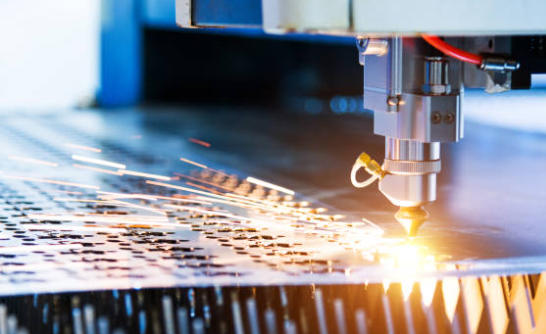
Modern sheet metal fabrication enables rapid scaling from initial prototype to full-volume production while keeping quality consistent. Choosing a partner with the right equipment and processes is crucial.
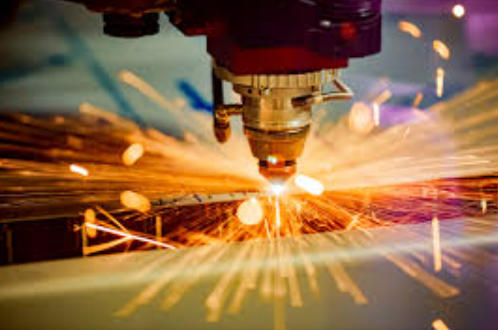
- Laser cutting & CNC forming: Provide tight tolerances, clean edges, and reliable repeatability at any volume.
- Welding and fastening: TIG/MIG welding, spot welding, and hardware insertion for hinges, latches, and studs.
- Finishing options: Powder coating, anodizing, electropolishing, and plating to match environmental and branding needs.
Suggested visual: Short video or photo carousel of the fabrication steps: cutting, bending, welding, finishing, and assembly.
Below is a simple step‑by‑step workflow OEMs and engineers can follow when launching a new enclosure project.
- Indoor, outdoor, or washdown environment.
- Temperature range, chemical exposure, and cleanliness requirements.
- List PLCs, drives, HMIs, power supplies, and terminal blocks.
- Create a basic 2D layout or 3D model with required clearances.
- Match stainless steel, aluminum, or cold rolled steel to the environment and budget.
- Select coatings or surface treatments for corrosion, hygiene, or aesthetics.
- Decide on door style, hinges, handles, and locking level.
- Plan cable entries (glands, knockouts, or custom cutouts) and cable routing.
- Determine IP rating, washdown requirements, and mechanical load limits.
- Align with relevant safety or industry standards.
- Confirm drawing standards, revision control, and inspection criteria.
- Agree on prototype review and approval milestones.
Suggested visual: Simple flowchart illustrating this 6-step specification process.
The right manufacturing partner can drastically reduce lead time and risk for automation projects. Beyond basic fabrication, evaluate capabilities, communication, and engineering support.
- Engineering support: Ability to review models, suggest design improvements, and optimize for manufacturability.
- Material and finishing expertise: Guidance on matching materials and coatings to application and compliance needs.
- Rapid prototyping to production: Capacity to move from one-off prototypes into stable, repeatable series production.
- Industry experience: Familiarity with automation, robotics, and industrial markets to anticipate typical challenges.
Suggested visual: Case-style callout or client success snapshot highlighting faster deployment or reduced failures due to better enclosure design.
UPTIVE focuses on high-quality, fast-turnaround sheet metal enclosures that support the demands of modern industrial automation. The team combines advanced fabrication with practical engineering input to help automation projects launch and scale.
- Precision laser cutting and CNC forming for accurate, repeatable production parts.
- Expert material selection support for stainless steel, aluminum, and cold rolled steel.
- Wide range of finishing options including powder coating, anodizing, and electropolishing.
- Rapid prototyping and smooth transition into full production volumes.
With experience in industrial automation, robotics, automotive applications, and more, UPTIVE helps ensure that enclosures meet functional, environmental, and compliance requirements. This translates into predictable lead times, stable quality, and fewer surprises for OEMs and system integrators.
If you are developing the next generation of automated equipment, your sheet metal enclosure strategy is a decisive factor in reliability, safety, and lifecycle cost. Partnering early with a specialist reduces design iterations and accelerates time‑to‑market for your industrial automation systems.
- Share your 2D or 3D enclosure files for a fast manufacturability review.
- Discuss materials, finishes, and design options with an engineering-focused team.
- Align on prototype and production timelines that match your launch schedule.
Ready to move from concept to production? Contact UPTIVE today to discuss your custom industrial automation enclosure requirements and request a tailored quote for your project.
Contact us to get more information!
You typically need a 2D drawing or 3D model, material and finish preference, estimated quantities, and basic environmental requirements (indoor, outdoor, washdown, temperature range).
Lead times depend on enclosure complexity and volume, but with modern fabrication methods many projects move from approved prototype to production in a matter of weeks.
Yes, by selecting appropriate gaskets, seals, door designs, and cable glands, enclosures can be engineered to meet defined IP ratings such as IP54, IP65, or higher.
Powder coating is a common choice for general industry, while anodizing is popular for aluminum, and electropolishing or specific stainless finishes are preferred in hygienic or corrosive environments.
Custom designs align precisely with component layout, airflow, cable routing, and environmental demands, which reduces failure risk and makes maintenance faster and safer than generic enclosures.


