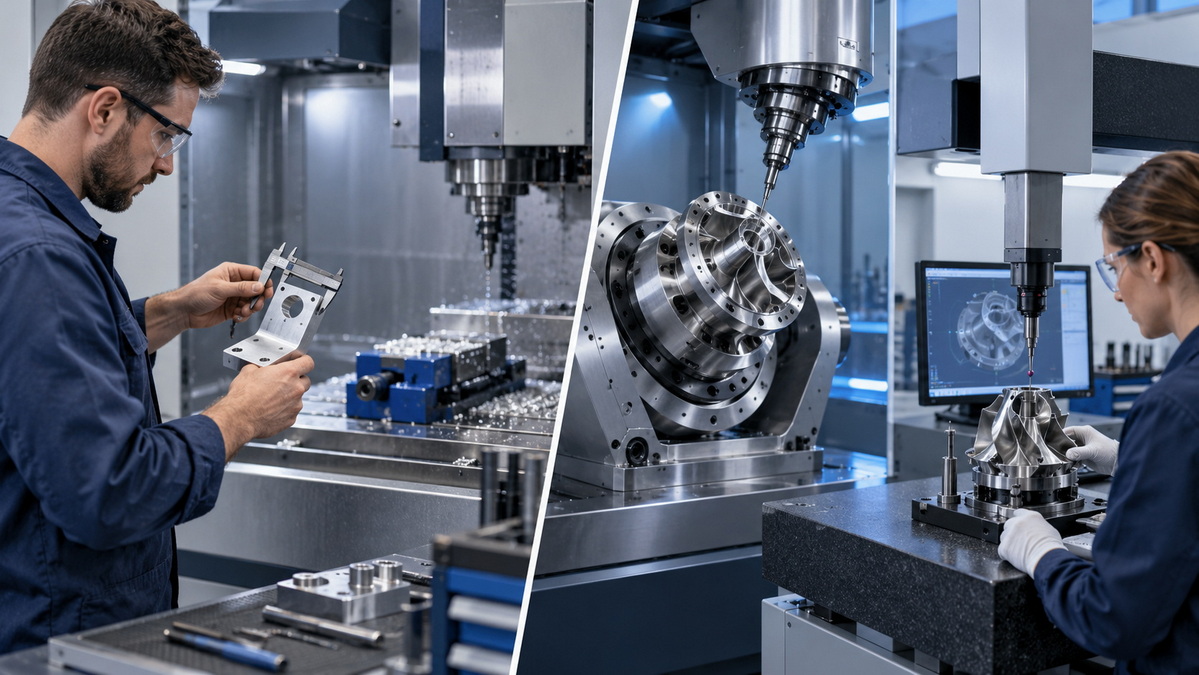
From 1 piece to mass production, our one-stop custom services ensure a worry-free experience for you.
Help Center

Overmolding and Insert
Molding Services ___

At U-Need, we offer high-quality molding services, including overmolding and insert molding, that are tailored to meet our clients’ specific needs. Our commitment to excellence ensures that every project delivers exceptional results.

Overmolding Services ___

What is Overmolding?

Overmolding is an injection molding process. A substrate (typically a rigid material, such as plastic or metal) is molded over with a second material (usually a softer material like TPE/TPU or silicone).
This technique is commonly used to enhance the functionality, aesthetics, and performance of the final product.

Key Features of Overmolding

1. Multi-Material Structure: 
Combining two or more different materials into a single component allows for a blend of properties, such as rigidity and flexibility. The most common combination involves a rigid plastic substrate (like ABS, Polypropylene, or PC) and a soft, flexible elastomer (like TPE, TPU, or Silicone).
2. Improved Grip and Comfort: 
Soft materials can provide better grip or comfort in consumer products, such as handles, tools, or medical devices.
3. Sealing and Protection: 
Overmolding can create seals that protect internal components from moisture, dust, or contaminants.
4. Aesthetic Appeal: 
Allows for the use of different colors and textures, enhancing the visual appeal of the product.
5. Cost-Effective Manufacturing: 
Reduces the need for additional assembly steps by integrating multiple functions into a single component.

Materials for Overmolding

- Rigid Plastics
* Acrylonitrile Butadiene Styrene(ABS): Offers good impact resistance and dimensional stability, commonly used for consumer goods.
* Polycarbonate (PC): Known for high strength and transparency, frequently used in applications requiring toughness.
* Polypropylene (PP): Lightweight with excellent chemical resistance, often used in automotive and consumer products.
- Soft Elastomers
* Thermoplastic Elastomers (TPE): Provides flexibility and a rubber-like feel, suitable for grips and seals.
* Thermoplastic Polyurethane (TPU): Durable and elastic, often used in protective cases and athletic gear.
* Silicone: Notable for its heat resistance and flexibility, often used in medical applications.
 

Common Applications of Overmolding

* Consumer Electronics: Phone cases, remote controls, and gaming controllers.
* Automotive Parts: Grips, switches, and connectors.
* Medical Devices: Handles and housings for surgical instruments.
* Household Items: Cooking utensils, power tools, toothbrush handle, and appliance components.
Overall, overmolding is a versatile technique that enhances product performance and user experience by combining materials to leverage their unique properties.
 

Insert Molding Services

What is Insert Molding? _______

Insert molding is a plastic molding process that involves placing a pre-formed component, known as the "insert", into the mold cavity. Plastic is then injected around the insert, forming a single integrated part.
This process enhances the functionality and performance of the final product by combining different materials or components in one operation.

Key Features of Insert Molding

1. Insert Materials:
Typically, the insert is a metal part, such as a screw, blade, electrical contact, threaded brass bushing, or sensor. It can also be a ceramic part, or a pre-molded plastic part.
2. Enhanced Product Performance:
Insert molding enhances the strength, functionality and versatility of the final product.
3. Reduced Assembly Time:
By combining multiple components into one part, insert molding reduces the need for secondary assembly processes, enhancing efficiency.
4. Improved Design Flexibility:
Designers can create complex geometries and functionalities by leveraging the properties of different materials.

Materials for Insert molding

- Metals:
* Steel: Common choice for strength and durability, such as automotive parts, fastening elements, and structural components.
* Aluminum: Known for its lightweight and resistant to corrosion, common used as electrical housings and consumer products.
* Brass: Often used for electrical contacts, fittings, and threaded components requiring conductivity and durability.
- Ceramics:
* Used in applications requiring heat resistance and electrical insulation, such as sensors and certain electronic components.
- Plastics:
* Polyethylene (PE): Offers chemical resistance and low friction, making it suitable for various applications,e.g., consumer products and packaging.
* Polyamide (Nylon): Known for its toughness and wear resistance, used in mechanical parts, automotive components, and connectors.
* Polyvinyl Chloride (PVC): Versatile and used in a wide range of applications, including electrical components.
* Polyoxymethylene (POM): Also known as acetal, it has excellent mechanical properties and low friction, ideal for precision parts.
* Polycarbonate (PC): Sometimes used as an insert due to its toughness and clarity, especially in light fixtures.

Common Applications_______

U-Need’s injection molding tooling provides substantial advantages throughout the production cycle, driven by precision engineering and advanced technology, resulting in a more reliable, efficient, and cost-competitive injection molding process for clients.

* Automotive Parts: Components like gears, clips, and housings that require both plastic and metal parts.
* Consumer Electronics: Devices that require integrated connectors or functional elements within plastic casings.
* Medical Devices: Tools and instruments where precision and reliability are critical, often incorporating metal components for strength.
Overall, insert molding is a versatile technique that enhances product design and manufacturing efficiency by integrating multiple components into a single molded part.

Main Differences between Overmolding and Insert Molding _____

Understanding the differences between these methods can help in selecting the appropriate one based on the product requirements and materials used.
Feature Overmolding Insert Molding
Primary Goal Ergonomics & Enhanced Functionality (grip, seal, feel) Functional Integration, Part Consolidation
Typical Materials Plastic/Rigid Substrate + Elastomer/Soft Plastic Plastic + Metal (or other solid insert)
The "First" Part A previously molded plastic substrate A pre-fabricated, often non-plastic insert
Bonding Mechanism Chemical Adhesion and/or Mechanical Interlock Primarily Mechanical Interlock
Complexity More complex design considerations due to the need for adhesion between materials. Focusing on accurately positioning the insert and ensuring a secure bond with the injected plastic.
Application Often used for products that require a soft grip or added aesthetics, like handles or medical devices. Common in applications where strength and precision are critical, such as electrical connectors and mechanical assemblies.
Cost and Time more expensive and time-consuming due to the additional molding steps required. Often more efficient, as it combines the steps of inserting and molding into one process.
Common Result A single part with layered, multi-material properties (e.g., soft over hard), improving tactile qualities. A single part combining disparate components (e.g., metal in plastic), enhancing the integrated strength.
Sample 6. Overmolding Product 01 7. Insert Molding Product 01

Empowering Innovation with U-Need through Precision Molding Solutions_______

At U-Need, we are more than just a molding service provider; we are your strategic partner in innovation. Our experienced team is equipped to handle all your overmolding or insert molding needs with precision and expertise. We understand the importance of meeting deadlines and exceeding quality standards. Let us help you transform your concepts into high-quality products that resonate in the marketplace.
Latest Blogs
Resources _____
  • Top CNC Machining Manufacturers And Suppliers in Turkey

    2026-03-20

    Discover how to select top CNC machining manufacturers and suppliers in Turkey using real buyer criteria, and see how U-Need in China strengthens your global sourcing with custom precision parts machining and complete project‑managed manufacturing solutions. Read More
  • Top CNC Machining Manufacturers And Suppliers in Poland

    2026-03-19

    Discover leading CNC machining manufacturers and suppliers in Poland from a real customer perspective, compare key strengths, and learn how to combine Polish CNC partners with U‑Need’s precision manufacturing in China to build a cost‑effective, resilient B2B supply chain. Read More
  • Top CNC Machining Manufacturers And Suppliers in Netherlands

    2026-03-18

    Discover top CNC machining manufacturers and suppliers in the Netherlands, learn how real customer experience shapes rankings, and see how Dutch precision machining and U‑Need in China can together build a resilient, cost‑effective B2B supply chain. Read More

Try U-Need
now, for free

U-Need Precision Machinery Co., Ltd.
  +86 0769 23225585
 +86 15916761371
  contact@uneedpm.com
  Room 401-1, Building 4, SongHuZhiGu Research Center, No.6 Minfu Road, Liaobu Town, Dongguan City, Guangdong Province, China
523425

CAPABILITIES

RESOURCES

ABOUT

Subscribe
Copyright © U-Need Precision Machinery Co., Ltd. All rights reserved.     Privacy Policy  Sitemap