Views: 222 Author: Rebecca Publish Time: 2026-01-26 Origin: Site
Content Menu
● What Is Laser Cutting and How Does It Work
● Key Types of Laser Cutting Systems
● Main Advantages of Laser Cutting
>> 1 High Precision and Tight Tolerances
>> 2 Lower Overall Cost per Part in Many Cases
>> 3 Ability to Cut Complex Geometries Easily
>> 4 High Material Utilization and Less Waste
>> 5 Minimal Mechanical Damage and Distortion
>> 6 Relatively Low Power Consumption per Part
>> 7 Compatibility With Many Materials and Processes
● Main Disadvantages of Laser Cutting
>> 1 Risk of Evaporation and Degradation of Some Materials
>> 2 Need for Skilled Technical Operators and Maintenance
>> 3 Limitations on Maximum Material Thickness
>> 5 Generation of Harmful Fumes and Gases
● Laser Cutting vs Other Cutting Processes
● Practical Use Cases When Laser Cutting Makes Sense
● How to Evaluate Laser Cutting for Your Project
● Tips to Maximize the Benefits of Laser Cutting
● Laser Cutting in a Multi Process Supply Chain
● Call to Action Work With a Full Service Manufacturing Partner
● FAQ
>> 1. What can laser cutting be used for
>> 2. Is laser cutting expensive
>> 3. Why is laser cutting suitable for mass production
>> 4. What are the main advantages and disadvantages of laser beam machining
>> 5. How do I choose between laser cutting and other methods for thick metal plates
Laser cutting remains one of the most widely used methods for producing precision sheet metal and plastic parts, but the advantages and disadvantages of laser cutting are often misunderstood by engineers, buyers, and manufacturing managers. In this updated guide, you will find practical, data driven insights to help you decide when laser cutting is the best option and when another process might serve you better.

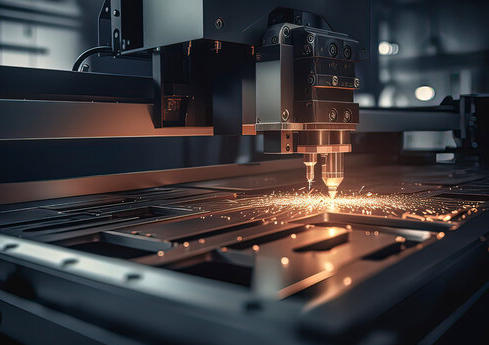
Laser cutting is a thermal cutting process that uses a tightly focused, high energy laser beam to melt, burn, or vaporize material along a programmed toolpath. The system is typically driven by CNC or G code generated from 2D CAD files, allowing consistent, repeatable parts in small and large batches.
The main elements of a laser cutting system include
- Laser source fiber, CO2, or crystal based resonator
- Beam delivery system mirrors and or fiber optics
- Focusing optics and cutting head
- Assist gas supply oxygen, nitrogen, or air
- CNC motion system and controller
In operation, the laser source generates coherent monochromatic light inside a sealed resonator, which is amplified and directed through mirrors or fibers to the cutting head, then focused to a spot often below 0.32 mm diameter. The intense energy density causes localized melting and vaporization, while a jet of gas clears molten material and produces a clean cut edge.
Piercing versus edge start When the cut must begin inside the sheet rather than from an edge, the machine performs a high power piercing cycle to open a start hole. For example, burning through a 13 mm stainless steel sheet typically takes several seconds, depending on the power and settings.
Different laser technologies offer distinct performance and cost profiles, which is critical when evaluating advantages and disadvantages for your project.
- Fiber laser cutting Uses solid state fiber lasers, highly efficient, excellent for cutting steels, stainless steel, and non ferrous metals like brass and copper.
- CO2 laser cutting Gas based resonator, traditionally used for metals, plastics, wood, and organic materials, but less energy efficient than fiber lasers.
- Crystal Nd YAG or Nd YVO4 lasers High peak power, used more in micromachining and specialty applications.
Modern fiber laser machines dominate new installations because of their higher electrical efficiency and lower running costs compared with older CO2 systems.
The biggest advantage of laser cutting is its exceptional precision and accuracy. With a beam diameter under 0.32 mm and kerf widths down to about 0.10 mm, fiber and CO2 systems can regularly achieve tight tolerances on suitable materials and setups. Compared with many thermal or mechanical cutting methods, laser cutting often delivers superior edge quality and dimensional consistency.
This precision is especially valuable in
- Aerospace components with tight fit up requirements
- Electronics enclosures with dense hole patterns
- Precision brackets, gears, and mechanical linkages
Although the initial price of a laser cutting machine is high, the process often delivers low per part cost for production work. There is no need for custom hard tooling such as dies, and you do not have to modify or change tools for different geometries, which reduces engineering time and tooling investment.
Because the cutting head does not physically contact the material, there is minimal tool wear and fewer consumables compared with many mechanical cutting methods. In a wide range of applications, the combination of fast cutting speeds, low labor requirements, and reduced scrap makes laser cutting more economical than alternative processes over the full project life.
Laser systems excel at complex profiles, sharp internal corners, and fine details that are difficult or impossible for punching or conventional mechanical cutting. The narrow kerf and small heat affected zone allow parts with intricate cutouts, small holes, and thin walls, with minimal distortion when properly programmed.
Engineers can take advantage of this by designing lightweight lattice structures, integrating multiple features such as slots, tabs, logos, and identification marks in a single operation, and rapidly iterating prototypes without investing in new tooling.
Another significant benefit is the ability to nest parts tightly on a sheet, reducing scrap. Because the kerf is so narrow and the process is CNC controlled, parts can be arranged very close together while maintaining cut quality and safety margins.
Higher sheet utilization directly reduces material cost and often lowers total project cost, especially for expensive alloys like stainless steel, titanium, or specialized plastics. Over large production runs, this improved yield can represent substantial savings.
Laser cutting is a non contact process, so there is no mechanical force applied to the workpiece that could cause bending, burrs, or tool marks. Although high temperatures are involved, the heat affected zone is usually small and localized, and with proper parameters, warping and distortion can be kept very low.
Fast cutting speeds further reduce the time that heat is applied, helping to protect thin or delicate sections from deformation. This is particularly important for aesthetic parts, tight fitting assemblies, and materials that are sensitive to heat.
Modern fiber laser cutters are significantly more energy efficient than many older cutting technologies, especially because they have fewer moving parts and convert electrical power into cutting energy more effectively. The short cycle times for many geometries also reduce overall energy consumption per part.
This not only helps lower operating costs, but also supports sustainability goals by reducing the energy footprint of manufacturing operations. For companies planning long term production, energy efficiency can have a major impact on total cost of ownership.
Laser cutting is a versatile process that can cut metals such as steel, stainless steel, aluminum, copper, and brass, as well as many plastics, wood, and other non metals depending on the laser type and setup. Beyond cutting, the same machine can often perform engraving, marking, and drilling operations without changing hardware, which streamlines production.
This flexibility makes laser cutting suitable for
- Sheet metal enclosures and brackets
- Acrylic and plastic display components
- Signage, labels, and decorative panels
When cutting certain plastics and polymers, the high energy density can cause unwanted evaporation, burning, or discoloration. These effects may compromise part appearance, dimensional accuracy, or mechanical properties.
Skilled operators can mitigate many of these issues by optimizing power, speed, and assist gas, but advanced process control adds to setup time and cost. Selecting the right material grade and surface finish at the design stage can also help avoid problems.
To fully exploit all the capabilities of a laser cutter while avoiding damage to parts and machine, experienced technicians are essential. Incorrect setup or programming can result in poor cut quality, excessive dross, overheating, or even equipment damage.
Because qualified specialists are limited and in high demand, labor costs can be higher than with simpler processes, especially for complex materials or critical aerospace and medical parts. Regular maintenance and calibration are also necessary to keep equipment in optimal condition.
Laser cutting is ideal for thin to medium sheet thickness, but beyond a certain limit, other processes such as plasma cutting, oxy fuel cutting, or waterjet become more practical. Many production shops use lasers up to a typical range of medium thickness for metals, depending on machine power and material type.
Beyond that range, cut speed drops significantly, edge quality can degrade, and the cost per part often increases. In such cases, alternative cutting methods may deliver better productivity and economics, even if tolerances are not as tight as laser cutting.
Industrial laser cutting machines require substantial initial capital, generally significantly higher than plasma or mechanical cutting tools of comparable capacity. A complete laser cutting system includes the resonator, motion system, control software, extraction, and auxiliary equipment, all of which add to the investment.
However, for organizations with sufficient throughput, the combination of faster processing, lower labor, and reduced scrap can offset that investment over time. Evaluating the payback period based on realistic production volumes is essential before purchasing equipment.
Because laser cutting is a thermal process, it produces fumes, smoke, and sometimes toxic gases, especially when cutting plastics or coated materials. These emissions require robust fume extraction, filtration, and compliance with environmental and worker safety regulations.
Proper ventilation, enclosure design, and filtration systems add to the total system cost and must be maintained to ensure safe operation. Companies must also train operators in safe handling of cut parts and in maintaining clean working environments.
The following table highlights how laser cutting compares with several common alternatives in key categories.
| Aspect | Laser cutting | Plasma cutting | Mechanical cutting | Waterjet cutting |
|---|---|---|---|---|
| Typical tolerance | Very high, fine kerf | Moderate | From moderate to coarse | High, depends on setup |
| Initial equipment cost | High | Medium | Low to medium | High |
| Tool or contact wear | No direct contact, low wear | Electrode and nozzle wear | Significant tool wear | Orifice wear and abrasives |
| Max metal thickness typical | Best for thin and medium sheets | Good for thick plate | Limited by tool rigidity | Excellent for very thick materials |
| Materials | Metals, plastics, wood, more | Mostly metals | Metals, plastics, wood | Almost any material |
| Fumes and gases | Significant, needs extraction | Significant | Low to medium | Minimal fumes, wet slurry |
Laser cutting is particularly strong in applications that demand a mix of accuracy, complexity, and throughput. It serves both prototyping and production for a wide range of industries.
Typical high value use cases include
- High volume production of sheet metal brackets, housings, and panels
- Precision parts for aerospace, automotive, and electronics
- Rapid prototyping where tooling lead time would be a bottleneck
- Mixed material projects that need both metal and plastic cutting with one provider
For customers working with a full service manufacturing partner, laser cutting is often integrated with bending, CNC machining, plastic molding, silicone product manufacturing, and metal stamping to deliver turnkey components.
To decide whether laser cutting is the right choice, engineers and buyers can follow a simple evaluation process.
1. Define tolerance and quality requirements
Identify critical dimensions and surface finish needed. If you require very tight tolerances and clean edges, laser cutting is often a strong candidate.
2. Check material and thickness range
Confirm that your material is compatible with laser cutting and that thickness falls within an efficient range for stable, high quality cutting.
3. Analyze geometry complexity
For parts with intricate contours, small holes, or detailed cutouts, lasers generally outperform many mechanical and thermal cutting methods in accuracy and speed.
4. Estimate volume and lifecycle
For low to medium volumes, laser cutting avoids the cost and lead time of dedicated tooling. For higher volumes, it can still be efficient, especially with automation and intelligent nesting.
5. Assess budget and total cost of ownership
Consider not only per part pricing but also scrap rate, rework, and logistics. A slightly higher unit price may still deliver lower total project cost if quality and yield are better.
Several design and sourcing strategies can help you capture more value from laser cutting.
- Design for laser friendly geometries Avoid extremely small bridges and overly tight corner radii that exceed the machine minimum kerf and spot size.
- Standardize material and thickness Grouping parts in a project around common material grades and thicknesses allows efficient nesting and fewer machine setups.
- Plan secondary operations If parts require bending, machining, assembly, or surface finishing, ensure your dimensions and features accommodate those downstream steps.
- Work with a partner that offers DfM feedback Professional manufacturers can review your drawings and recommend adjustments that reduce defects, cost, and lead time.
In real production environments, laser cutting rarely works in isolation. It typically fits into a broader manufacturing workflow as one step in a series of processes. Sheet metal components might be laser cut first, then bent, welded, machined, stamped, and surface treated.
Similarly, plastic or silicone components may be laser cut or engraved for specific features, then combined with CNC machined metal parts or injection molded components in final assemblies. This integrated approach helps brand owners, wholesalers, and OEMs streamline purchasing and quality control with a single manufacturing partner that can handle multiple processes.
Choosing whether and how to use laser cutting is only part of building a reliable, efficient supply chain. To turn design concepts into high quality, repeatable products, you need a manufacturing partner that can combine laser cutting, high precision machining, plastic product manufacturing, silicone product manufacturing, and metal stamping in one coordinated workflow.
If you are a brand owner, wholesaler, or producer looking for stable quality, flexible batch sizes, and responsive engineering support, U NEED can help you develop and optimize your parts from early samples to mass production. Share your drawings, technical requirements, and target quantities, and our team will review your project, provide professional process recommendations, and offer a tailored quotation. Take the next step now and contact U NEED to start your laser cutting and OEM manufacturing project with a single, experienced partner.
Contact us to get more information!
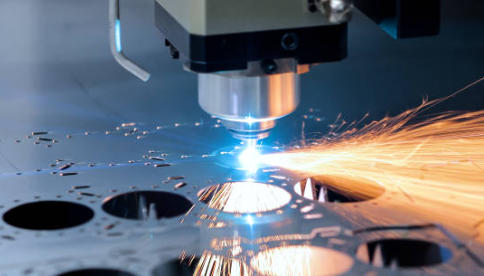
Laser cutting is used to produce precision components in industries such as automotive, aerospace, electronics, and consumer products, delivering parts that match the programmed 2D design closely. It can process metals like steel, stainless steel, aluminum, and many plastics and non metals, depending on the machine configuration.
Laser cutting equipment itself is costly, and required laser power varies by material and thickness, with harder metals and dense materials needing higher wattage. However, when you account for accuracy, speed, reduced tooling, and less scrap, laser cutting is often cost effective over the full product lifecycle.
Laser cutting can reproduce the same geometry at high speed with excellent precision and repeatability, which is ideal for mass production. Its ability to reduce production time and per part cost while maintaining quality makes it attractive for large batch orders.
Key advantages include the ability to cut many different materials, minimal tooling requirements, no direct tool wear, and high accuracy. Main disadvantages are high capital and maintenance costs, the need for skilled operators, and the production of potentially harmful gases when processing certain plastics and coated materials.
For thin to medium sheets, laser cutting delivers excellent edge quality and accuracy. For very thick plates, plasma, oxy fuel, or waterjet cutting may be more practical and economical. Evaluate required tolerances, edge finish, material type, and total cost including post processing and scrap before choosing the process.


