Views: 255 Author: U-Need Publish Time: 2026-08-18 Origin: Site
Content Menu
>> Communication and Commercial Transparency
● CNC Turning Manufacturers and Suppliers Serving Russia
● 1. U-Need Precision Machinery Co., Ltd.
● 6. STP Perm Factory Metal Centers
● Technical Requirements for CNC Turning
>> Materials Commonly Used in CNC Turning
● Common Purchasing Risks and How to Avoid Them
>> The Hidden Surface-Finish Problem
>> Prototype Parts Made Differently from Production Parts
>> Unclear Responsibility for Quality Problems
● Buyer's Guide for Supplier Qualification
>> Step 1: Send a Complete RFQ Package
>> Step 2: Review Manufacturability Feedback
>> Step 3: Approve a First Article Sample
>> Step 4: Audit Production Capability
>> Step 5: Plan Logistics Carefully
● FAQ
>> 1. How can I verify whether a supplier's ISO certificate has expired?
>> 2. Is ISO 9001 enough to approve a CNC turning supplier?
>> 3. What is a reasonable MOQ for custom CNC turned parts?
>> 4. Should I ask for CE or RoHS documents for CNC turned components?
>> 5. How can I confirm that the supplier is an actual factory rather than a trading company?
Russia has a long industrial manufacturing history in heavy machinery, energy equipment, rail transport, automotive components, oil and gas systems, agricultural machinery, and metalworking equipment. Its CNC turning ecosystem includes machine-tool builders, equipment distributors, modernization specialists, and selected contract manufacturers.
For international buyers, it is important to distinguish between companies that manufacture CNC lathes and companies that actually produce custom CNC turned parts. A supplier may have strong machine-building capability but may not offer low-volume OEM machining, engineering support for custom components, export packaging, or batch-level quality documentation.
Buyers sourcing CNC turned parts should therefore evaluate suppliers based on production fit rather than company size alone. The right partner should be able to demonstrate reliable material sourcing, stable processes, inspection discipline, engineering communication, realistic lead times, and clear responsibility for nonconforming parts.
This list includes Russian companies relevant to CNC turning equipment and industrial machining, as well as U-Need Precision Machinery Co., Ltd., a China-based custom manufacturing partner that supports global buyers seeking flexible CNC turning and integrated OEM production.
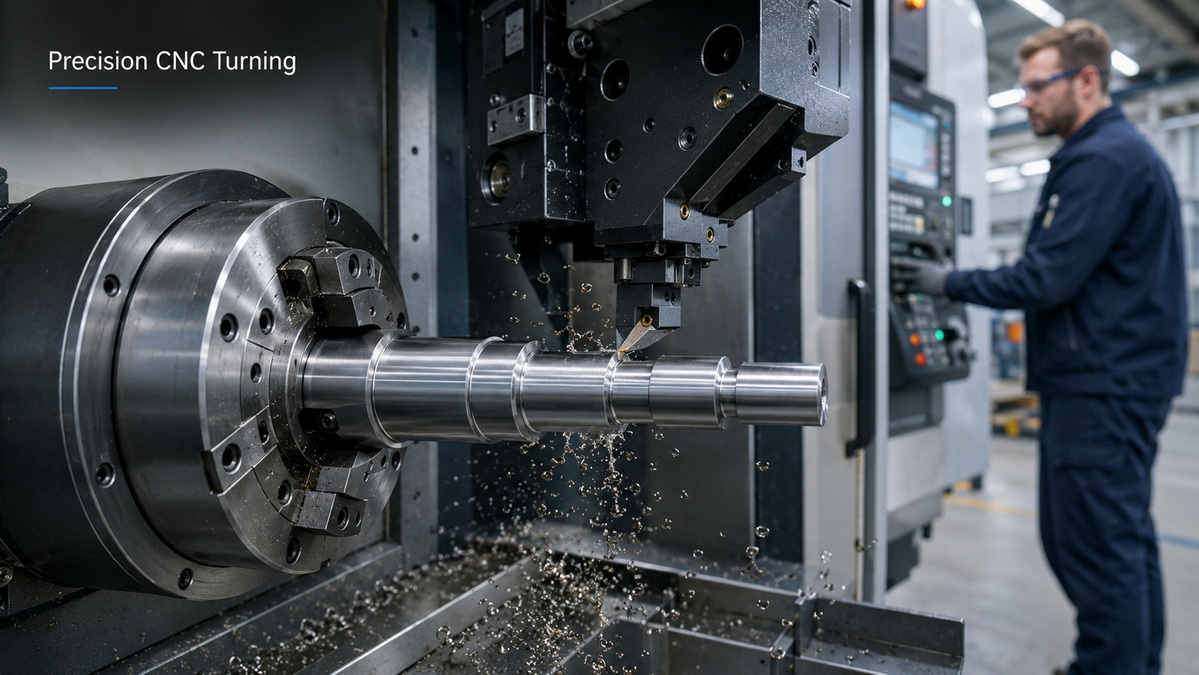
The companies below were assessed using practical purchasing criteria relevant to industrial buyers.
Priority was given to companies involved in CNC lathes, turning centers, turning-milling equipment, pipe-threading machines, custom machining, or industrial metalworking systems.
A capable supplier should provide practical support before production begins. This includes drawing review, manufacturability feedback, fixture planning, process selection, thread recommendations, tolerance review, and material substitution control.
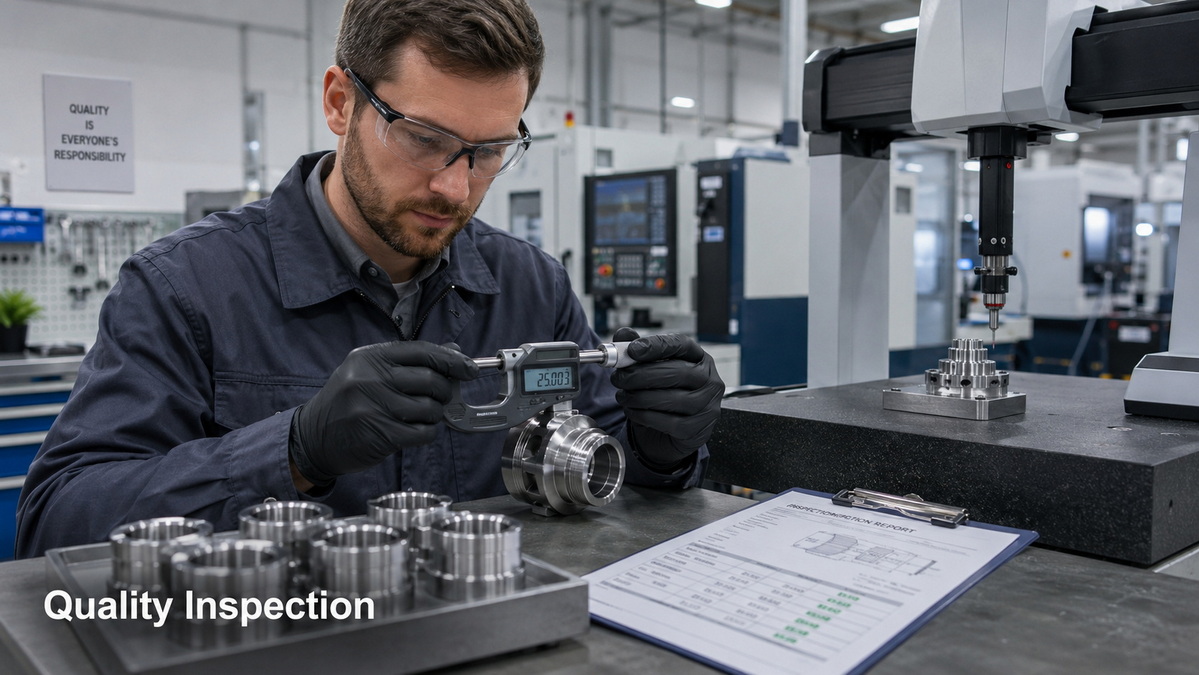
Buyers should assess whether a supplier can provide:
- Material certificates for each production lot
- First article inspection reports
- In-process inspection records
- Final dimensional reports
- Calibrated measuring equipment
- Thread gauges, micrometers, CMM reports, or optical measurement records
- Traceability from incoming material to final shipment
Different buyers need different order models. Some require one-off prototypes, while others need monthly production of several thousand turned parts. The supplier should clearly explain its minimum order quantity, setup charges, lead times, and repeat-order capacity.
A qualified supplier should be able to explain what is included in the quotation, identify potential risks before machining begins, confirm delivery terms, and respond efficiently when drawings are revised.
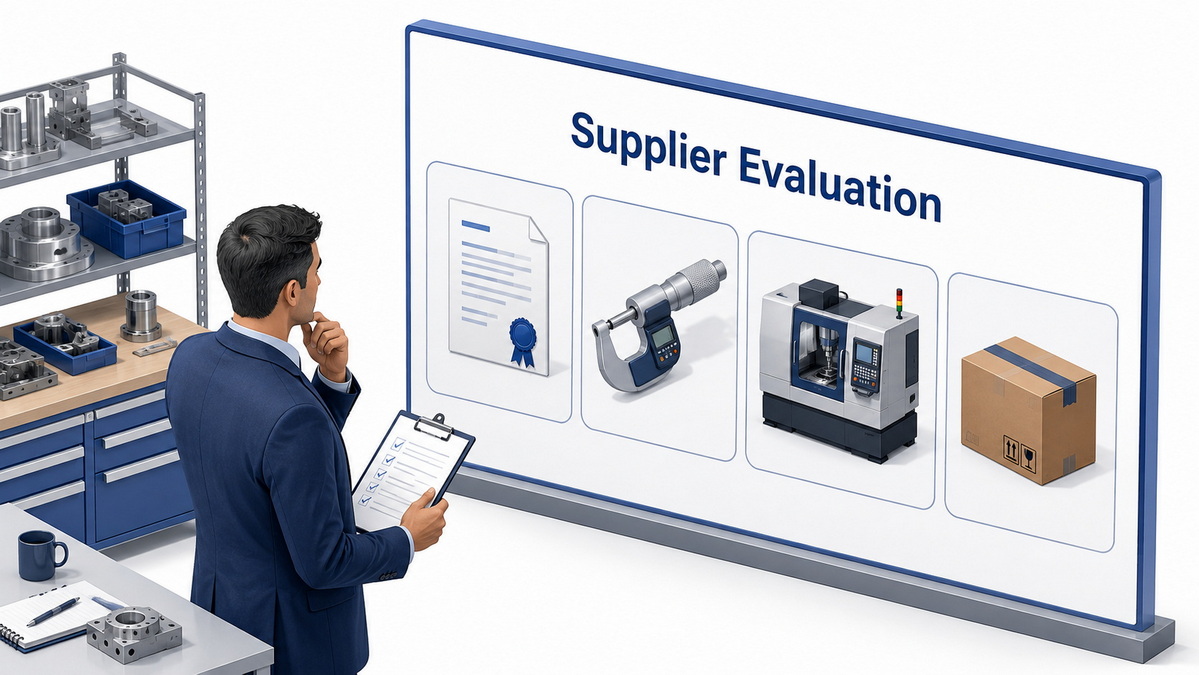
| Supplier | Location / Market Role | Main Focus | Typical Project Fit | MOQ / Capacity Position | Documentation to Request |
|---|---|---|---|---|---|
| U-Need Precision Machinery Co., Ltd. | China; global OEM manufacturing partner | Custom CNC turning, milling, molds, stamping, sheet metal | Prototype to repeat OEM production | Supports low-volume and production orders | Material certificates, inspection reports, project-specific capacity plan |
| Sasta Machine-Tool Plant | Sasovo, Ryazan Region, Russia | CNC lathes, turning centers, pipe-threading machines | Industrial equipment acquisition | Machine-builder model; confirm part-production availability | Machine specifications, acceptance protocol, service plan |
| STAN Group | Russia | CNC lathes, machining centers, production systems | Equipment localization and industrial projects | Confirm project-specific availability | Technical package, machine configuration, service terms |
| BPK / F.O.R.T. | St. Petersburg, Russia | CNC equipment supply, modernization, heavy machinery support | Retrofit and equipment modernization projects | Quotation-based availability | Equipment origin, controller details, spare-parts plan |
| Stankomashstroy | Penza, Russia | CNC metalworking machinery | Industrial machine-tool sourcing | Confirm machine model and delivery conditions | Accuracy data, installation scope, service support |
| STP Perm Factory Metal Centers | Perm, Russia | Metalworking centers and industrial machining equipment | Complex industrial machining projects | Confirm specific project capacity | Technical drawings, process capability, inspection scope |
Founded: 2016
Main Markets: Global OEM, industrial, consumer-product, and custom manufacturing projects
Core Services: CNC turning, CNC milling, multi-axis machining, injection molds, stamping dies, cold-forging dies, laser cutting, bending, and sheet-metal fabrication
Best Fit: Small and midsize brands, distributors, equipment manufacturers, and product developers requiring flexible custom production
U-Need Precision Machinery Co., Ltd. is a China-based precision manufacturing partner serving international buyers with custom CNC machining and tooling requirements. It is included in this list as a practical option for companies that require responsive communication, flexible order quantities, integrated manufacturing processes, and support for custom OEM projects.
Its CNC turning capability is suitable for components such as shafts, threaded fittings, sleeves, bushings, sensor housings, adapters, pins, valve components, fasteners, and precision metal hardware. The company can also combine turning with milling, drilling, tapping, surface finishing, stamping, mold manufacturing, and sheet-metal fabrication.
This integrated approach can reduce supplier handoffs for buyers that need several production processes within the same project. For example, a customer developing a metal enclosure may require turned inserts, machined housings, stamped brackets, and a custom injection mold for plastic components. Managing these elements through one production partner can simplify communication and quality coordination.
- Flexible support from prototype quantities to larger production runs
- Suitable for custom and non-standard parts rather than only catalogue products
- Supports machining, mold manufacturing, stamping, and sheet-metal fabrication
- Provides manufacturability feedback before production
- Suitable for buyers requiring English-language project communication
- Can support OEM designs, confidential drawings, and iterative product development
- Precision shafts and pins
- Aluminum and stainless-steel housings
- Threaded fittings and adapters
- Brass connectors and inserts
- Motor parts and mechanical assemblies
- Mold components and tooling parts
- Sheet-metal brackets and enclosures
- Custom injection molds and stamping dies
Before production approval, buyers should confirm the tolerance capability for the exact critical dimensions rather than relying on a general tolerance claim. Tolerance results depend on part geometry, material stability, machine setup, workholding, batch size, inspection method, and surface treatment requirements.
For critical projects, request a first article inspection report, material certificate, photos of measurement results, and a control plan covering key dimensions.
Established: Long-standing Russian machine-tool manufacturer
Main Markets: Russia, CIS countries, and industrial machine-tool users
Core Services: Horizontal lathes, CNC lathes, turning centers, vertical turning equipment, pipe-threading machines, and turning-milling systems
Best Fit: Buyers purchasing industrial turning equipment, heavy-duty lathes, or pipe-processing machinery
Sasta Machine-Tool Plant is one of Russia's established manufacturers of turning equipment. Its product range includes conventional and CNC lathes, turning centers, slant-bed machines, pipe-threading machines, and equipment for processing large or heavy workpieces.
The company is relevant for procurement teams sourcing machine tools for industrial facilities, particularly where turning capacity, pipe processing, heavy-duty applications, or localized equipment service are important.
Sasta is generally more suitable for buyers seeking production equipment than for those outsourcing small custom components. However, its manufacturing background makes it an important supplier to evaluate for turning-machine procurement, industrial modernization projects, and regional equipment support.
- Broad turning-machine portfolio
- Strong relevance for heavy industrial applications
- Experience with pipe-threading and large-workpiece machining
- Suitable for energy, machinery, transport, and industrial equipment projects
- Long operating history in Russia's machine-tool sector
When evaluating a CNC lathe or turning center, request the complete technical package before issuing a purchase order. This should include:
- Maximum turning diameter
- Maximum turning length
- Spindle bore
- Spindle speed range
- Chuck configuration
- Turret type and tool positions
- Controller brand and model
- Accuracy and repeatability data
- Installation requirements
- Operator training scope
- Warranty conditions
- Spare-parts availability
Established: Confirm the relevant legal entity and registration details during supplier onboarding
Main Markets: Russian industrial manufacturing and machine-tool projects
Core Services: CNC lathes, machining centers, automated production systems, and industrial machine-tool solutions
Best Fit: Localized machine-tool projects, industrial production lines, and equipment-oriented procurement
STAN Group is widely recognized in Russia's machine-tool sector and is associated with CNC lathes, machining centers, and industrial manufacturing systems. It is particularly relevant to buyers looking for domestic machine-tool production, equipment localization, or manufacturing-cell projects.
For custom CNC turning buyers, it is important to clarify whether the relevant STAN entity offers direct contract machining services or focuses mainly on machine-tool design, production, and industrial system integration.
- Strong presence in Russia's domestic machine-tool sector
- Relevant for CNC equipment and manufacturing-system projects
- Suitable for buyers seeking industrial-scale production solutions
- Potential fit for turnkey projects requiring equipment configuration and commissioning
Before adding STAN to an approved supplier list, request confirmation of:
- The exact legal entity responsible for the quotation
- Whether the scope includes machine manufacturing, contract machining, or system integration
- Machine availability and delivery schedule
- Local service coverage
- Spare-parts support
- Controller and software compatibility
- Acceptance-test procedure
- Technical documentation language
Established: Confirm legal-entity information and current product scope during qualification
Main Markets: Russia, Belarus, Kazakhstan, and regional industrial users
Core Services: CNC equipment supply, machine-tool modernization, repair, retrofit, heavy-machinery support, and selected Russian-made equipment
Best Fit: Buyers modernizing existing assets or purchasing CNC equipment with service requirements
Baltic Industrial Company, often known as BPK, is active in the supply, modernization, repair, and support of metalworking machinery. Its activities include CNC lathes, machining centers, grinding equipment, horizontal boring machines, and heavy industrial equipment.
BPK is especially relevant when the project involves improving existing production capacity rather than buying a single standard machine. A retrofit project may include controller replacement, spindle work, mechanical restoration, safety upgrades, tooling integration, operator training, and production restart support.
The F.O.R.T. brand is associated with Russian-made metalworking equipment and is relevant for buyers evaluating localized production options.
- Experience with modernization and overhaul projects
- Suitable for heavy machinery and long-life industrial assets
- Supports CNC machine procurement and technical service
- Relevant for production facilities requiring retrofit work
- Can be considered for equipment support and maintenance planning
For modernization projects, buyers should avoid accepting a generic proposal. A detailed scope should define:
- Machine condition before work begins
- Mechanical components to be repaired or replaced
- Controller and drive-system configuration
- Spindle inspection and rebuilding scope
- Electrical cabinet upgrades
- Safety system requirements
- Accuracy targets after modernization
- Acceptance-test method
- Warranty and service response time
Established: Confirm corporate registration details directly during sourcing
Main Markets: Russian metalworking and industrial machinery sectors
Core Services: CNC metalworking machinery and industrial machine-tool projects
Best Fit: Buyers looking for Russian machine-tool supply and customized industrial equipment solutions
Stankomashstroy is associated with Russia's domestic metalworking-equipment sector and is relevant to industrial buyers evaluating CNC machine tools, production infrastructure, and localized supply options.
Its strongest relevance is in equipment sourcing rather than small-batch component outsourcing. Buyers should approach the company with a structured technical specification that defines the intended workpiece, material range, target cycle time, required accuracy, tooling arrangement, and automation needs.
- Relevant to Russian machine-tool sourcing
- Suitable for industrial CNC equipment projects
- Potential fit for buyers needing application-specific equipment configuration
- Supports broader metalworking manufacturing requirements
A CNC turning machine should be evaluated according to the actual component family it will produce. For example, a machine that performs well for short aluminum fittings may not be suitable for long stainless-steel shafts, thin-wall components, large castings, or high-volume bar-fed production.
Buyers should provide representative drawings and request cycle-time estimates, tooling assumptions, workholding recommendations, and sample-part feasibility feedback.
Established: Confirm current legal-entity and production information before qualification
Main Markets: Russia's industrial equipment and metalworking sectors
Core Services: Metalworking machining centers and industrial manufacturing equipment
Best Fit: Complex industrial projects requiring multi-operation machining capability
STP Perm Factory Metal Centers is associated with Perm's industrial manufacturing environment and may be relevant for buyers seeking machine-tool solutions for broader metalworking operations.
While turning is often one element of a component's production route, many complex parts also require milling, boring, drilling, tapping, grinding, or inspection in the same production cycle. Buyers sourcing complex mechanical components should therefore consider whether the supplier can manage the full process rather than only the turning stage.
- Relevant to industrial metalworking projects
- Potential fit for multi-operation manufacturing environments
- Suitable for buyers evaluating broader machining capacity
- Located within an established Russian industrial region
Where public information is limited, buyers should use a more detailed qualification process. Request:
- Equipment list with machine models
- Maximum workpiece dimensions
- Material capability list
- Inspection equipment list
- Sample inspection report
- Process-flow example
- Current production schedule
- Quality-system documentation
- References from comparable industrial projects
A professional CNC turning supplier should be able to discuss the functional requirements of the part, not simply confirm that it can machine the drawing.
| Material Type | Common Grades | Typical Applications |
|---|---|---|
| Aluminum | 6061, 6082, 7075 | Housings, fittings, brackets, lightweight components |
| Stainless Steel | 303, 304, 316, 17-4PH | Valves, fittings, medical components, corrosion-resistant parts |
| Carbon Steel | 1018, 1045 | Shafts, pins, structural mechanical components |
| Alloy Steel | 4140, 42CrMo | High-strength shafts, gears, heavy-duty mechanical parts |
| Brass | C360 and similar grades | Electrical connectors, plumbing fittings, inserts |
| Copper | Pure copper and copper alloys | Electrical and thermal components |
| Engineering Plastics | POM, PEEK, PTFE, Nylon | Insulators, bushings, chemical-resistant components |
Buyers should specify the material grade, relevant standard, heat-treatment condition, permitted substitutions, surface finish, and required documentation. Writing only "stainless steel" or "aluminum" on a drawing creates unnecessary risk.
The drawing should clearly define:
- Critical dimensions
- General tolerances
- Geometric tolerances
- Datum references
- Thread specifications
- Surface roughness values
- Concentricity or runout requirements
- Chamfers and edge-break requirements
- Burr removal expectations
- Coating or plating thickness
For threaded parts, always specify thread standard, size, pitch, tolerance class, and inspection requirements. A thread that is visually acceptable may still fail in assembly if the fit class is wrong.
Common finishing options include:
- Anodizing
- Hard anodizing
- Electroless nickel plating
- Zinc plating
- Powder coating
- Passivation
- Black oxide
- Polishing
- Brushing
- Sandblasting
- Heat treatment
The buyer should identify whether the finish is decorative, corrosion-resistant, wear-resistant, electrically conductive, or dimensionally sensitive. Coating thickness can affect threads, press fits, sealing surfaces, and precision bores.

A supplier may quote one material grade but use a lower-cost alternative during production. This can affect corrosion resistance, hardness, tensile strength, machinability, and long-term reliability.
How to reduce the risk:
- Require material certificates for each lot
- Identify approved material grades on the purchase order
- Require written approval before any substitution
- Use positive material identification for high-risk alloys
- Keep approved production samples for future comparison
A part may pass inspection but still fail assembly because the supplier measured it from a convenient machining reference rather than the functional datum on the drawing.
For example, a shaft may have the correct diameter and length but excessive runout relative to the bearing seat. The issue is not the dimension itself; it is the relationship between dimensions.
How to reduce the risk:
- Clearly identify functional datums
- Define runout, concentricity, perpendicularity, or position tolerances where required
- Ask the supplier to explain its workholding method
- Require inspection from the same datum structure used in the assembly
- Consider providing mating parts or functional gauges for critical applications
Many buyers specify a surface roughness value but do not identify the functional surface. A supplier may achieve the requested finish on visible surfaces while leaving a sealing area, bearing seat, or sliding surface outside the required range.
How to reduce the risk:
- Mark functional surfaces clearly on the drawing
- State the required Ra value for each critical area
- Define whether the surface must be turned, ground, polished, or otherwise finished
- Request surface-roughness records for critical parts
A prototype may be manually adjusted, polished, or reworked to meet the drawing. This does not prove that the same quality can be repeated during production.
How to reduce the risk:
- Ask whether the prototype uses the intended production process
- Require a first article report before batch production
- Confirm the same material source, machine type, tooling strategy, and inspection method
- Approve a golden sample before repeat orders
A supplier may offer a low unit price but have no written process for nonconforming parts. If defects appear after shipment, the buyer may face rework, sorting, replacement, freight, and production-delay costs.
How to reduce the risk:
- Include quality requirements in the purchase order
- Define acceptable quality limits
- Agree on containment and replacement procedures
- Require root-cause analysis for repeated defects
- Define responsibility for rework, replacement, and freight costs
A professional RFQ should include:
- 2D PDF drawing
- 3D CAD file
- Material grade
- Annual demand forecast
- Prototype quantity
- Production quantity
- Surface treatment requirements
- Critical tolerances
- Inspection requirements
- Packaging requirements
- Destination country
- Required delivery date
Incomplete RFQs often produce inaccurate quotations. A supplier may quote based on assumptions that later change the unit price, lead time, or feasibility.
Before placing an order, ask the supplier whether it has identified any risks involving:
- Deep holes
- Thin walls
- Long slender shafts
- Difficult internal threads
- Sharp internal corners
- Tight concentricity
- Difficult-to-source materials
- Surface-treatment masking
- Special gauges
- Secondary operations
A supplier that asks detailed technical questions early is often more reliable than one that immediately promises every requirement without review.
The first article should include more than the physical component. Request:
- Inspection report
- Material certificate
- Surface-treatment confirmation
- Photos of critical dimensions being measured
- Packaging sample
- Revision confirmation
- Nonconformance notes, if applicable
For complex parts, a sample approval should be documented before batch production begins.
For long-term projects, request a virtual or on-site audit covering:
- CNC turning machines
- Machine maintenance condition
- Tooling storage
- Raw-material identification
- In-process inspection
- Final inspection room
- Packaging process
- Nonconforming-material control
- Calibration records
- Production planning method
For international sourcing, confirm:
- Incoterms
- Customs classification
- Packaging requirements
- Country-of-origin documents
- Transit route
- Freight insurance
- Payment method
- Lead time from production completion to delivery
- Import restrictions or trade-control requirements
For controlled, dual-use, aerospace-related, defense-related, energy-related, or otherwise restricted products, obtain qualified trade-compliance and legal guidance before proceeding.
Selecting a CNC turning supplier requires more than comparing unit prices. A dependable partner should demonstrate engineering capability, material control, repeatable production, inspection discipline, communication efficiency, and clear commercial responsibility.
Russian machine-tool companies can be relevant for industrial equipment, heavy turning applications, modernization projects, and localized production requirements. For buyers seeking flexible custom parts production, U-Need Precision Machinery Co., Ltd. provides an additional option with CNC turning, milling, molds, stamping, and sheet-metal fabrication available within one manufacturing supply chain.
For accurate evaluation, share complete drawings, material specifications, annual volume expectations, inspection requirements, and destination-market details before approving a supplier or placing a production order.
Request the complete certificate, including the legal entity name, certificate number, issue date, expiry date, certification body, accreditation body, and scope. Then verify the certificate through the certification body or an accredited certificate-verification database. Make sure the listed scope covers CNC machining or the relevant manufacturing activity.
No. ISO 9001 indicates that a supplier has a quality-management framework, but it does not automatically prove machining accuracy or process capability. Buyers should also review inspection reports, equipment lists, calibration records, material traceability, first article procedures, and examples of comparable components.
MOQ depends on the material, bar size, setup time, tooling, tolerance level, finishing requirements, and inspection workload. Prototype orders may start from one piece, while the most cost-effective quantity for repeat production may be much higher. Buyers should compare prototype pricing, batch pricing, and annual-volume pricing separately.
It depends on the finished product and destination market. A standalone machined metal component may not require those documents. If the part will be used in regulated machinery, electrical equipment, or consumer products, clarify which party is responsible for final product compliance and supporting technical documentation.
Request a live factory video tour, machine list, production photos, inspection-room photos, business registration information, sample inspection reports, and details of the machines that will produce your part. Ask whether machining, finishing, inspection, and packaging are completed in-house or subcontracted.
1.[U-Need Precision Machinery Co., Ltd.] [uneedprecisionmachine]
2.[U-Need Precision Machining Services] [uneedpm]
3.[Sasta Machine-Tool Plant] [sasta]
4.[Baltic Industrial Company] [bpk-spb]
5.[IAF CertSearch] [iafcertsearch]
6.[International Trade Administration: EU Legislation and CE Marking] [trade]
7.[Research on the Russian Machine-Tool Industry] [tandfonline]


