Views: 233 Author: U-Need Publish Time: 2026-05-22 Origin: U-Need
In the competitive landscape of global manufacturing, the difference between a successful product launch and a costly delay often hinges on the reliability of your manufacturing partner. At U-Need, we empower brands, distributors, and manufacturers with end-to-end custom precision parts machining solutions.
Modern engineering demands absolute precision. However, when working with complex geometries—specifically high-aspect-ratio (long-length-to-diameter) components—even the most seasoned machinists encounter technical hurdles that test the boundaries of standard manufacturing processes. This case study highlights our approach to handling such challenges, showcasing the technical expertise, operational rigor, and commitment to quality that define U-Need.
The client approached us with a high-stakes request: the production of a complex component featuring a long-aspect-ratio inner bore. The primary engineering requirement was maintaining exceptional concentricity across the entire length of the bore.
To achieve this, our initial production strategy utilized a high-precision, single-pass through-hole machining process. This method is generally favored for maintaining structural alignment in long components. However, during the final stages of Quality Assurance (QA), our team identified a subtle but critical issue: the inner bore diameter in the mid-section exhibited dimensional variance, slightly exceeding the strict tolerance specifications required by the client.
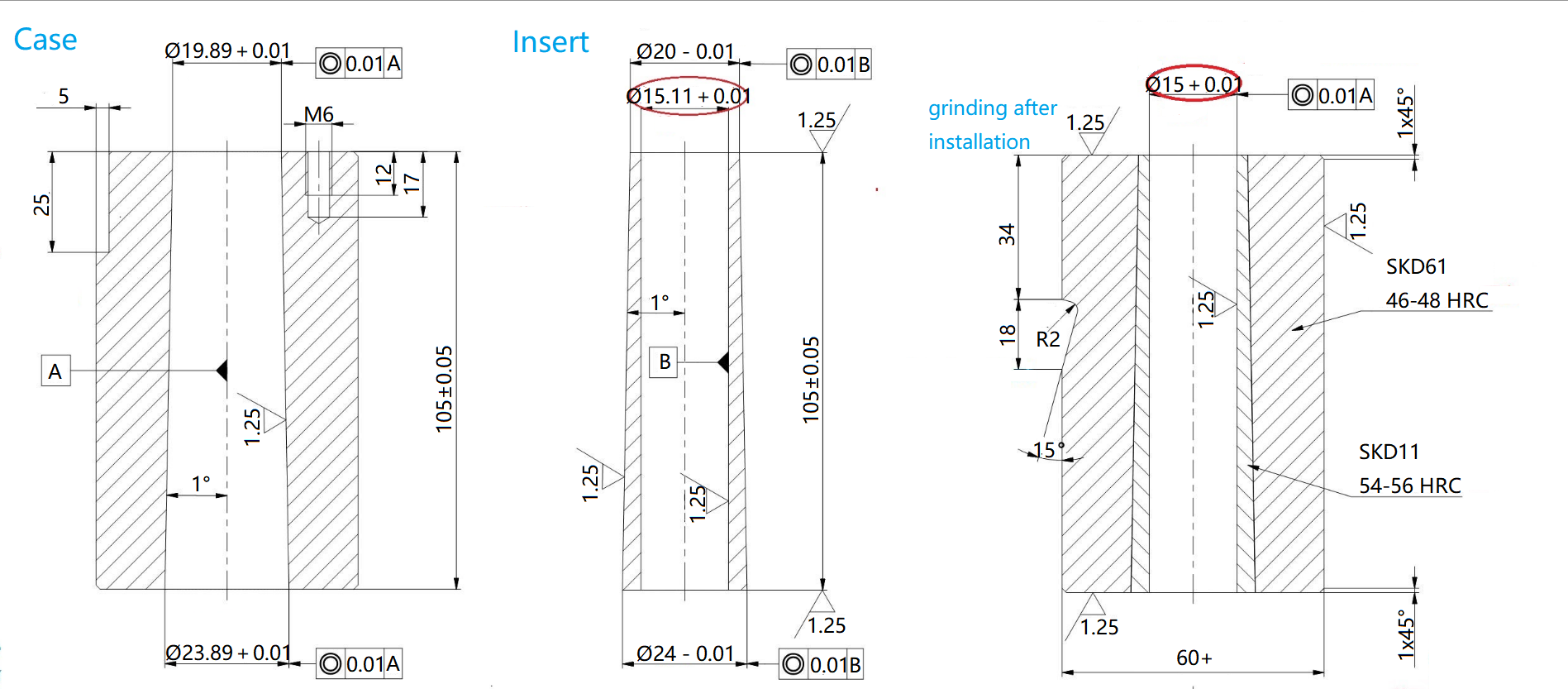
At U-Need, we believe that transparency and technical depth are the pillars of trust. When the variance was detected, our technical and production teams immediately initiated a comprehensive root-cause analysis. We moved beyond surface-level inspection to understand the physics of the machining process in this specific configuration.
Our review determined that during long-stroke grinding operations, the “depth of cut” (or feed rate) setting in the mid-section of the bore was too aggressive. This setting, combined with the physical characteristics of the high-aspect-ratio bore, resulted in infinitesimal “tool deflection” (letting-off), which manifested as an oversized diameter in the central section of the component. Recognizing that this variance rendered the existing batch non-compliant with the client's rigorous quality standards, we took immediate action to rectify the situation without compromising the final delivery timeline.
Because the affected parts could not be reliably salvaged through conventional rework, we launched a full-scale re-production program. The goal was to refine our methodology to eliminate tool deflection and ensure absolute dimensional consistency.
Our team developed a revised production workflow, pivoting from the previous single-pass method to a more sophisticated, multi-stage strategy:
1.Baseline Definition (Primary Turning): We initiated the process with high-precision turning to establish a stable geometric baseline for all subsequent operations. This step ensured that the workpiece was correctly positioned and stabilized before fine grinding commenced.
2.Iterative Finishing: Rather than relying on a single deep-cut grinding pass, we implemented a series of incremental, high-precision grinding steps. This “multiple finish-refinement” approach allowed us to maintain constant contact pressure and eliminate the risk of mid-section tool deflection.
3.Real-Time Parameter Calibration: We adjusted the grinding parameters dynamically, ensuring that the feed rates and pressure were optimized for every distinct segment of the high-aspect-ratio bore.
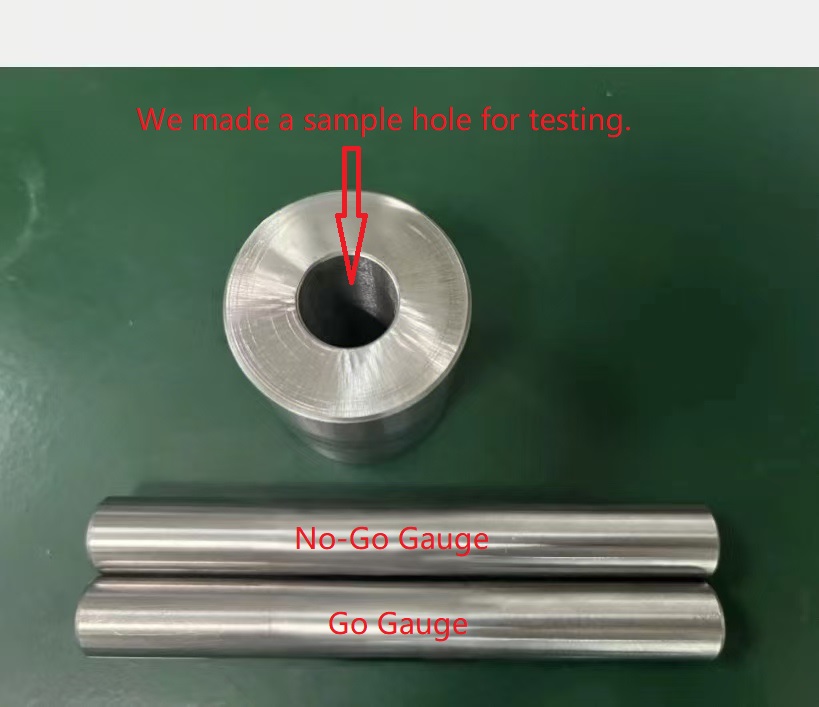
Through rapid response, technical transparency, and a pivot to a more sophisticated multi-stage machining strategy, we effectively mitigated the risk posed by the dimensional non-conformance. The revised production batch exceeded client specifications, achieving perfect concentricity and consistent inner bore diameters throughout.
Ultimately, this case study underscores U-Need’s ability to turn a technical setback into a demonstration of engineering prowess. We achieved our primary goal: high-quality delivery, strictly within the agreed-upon project schedule, reinforcing our status as a trusted partner in precision machining for global industrial brands.
Technical Expertise: Our team consists of seasoned engineers capable of diagnosing and solving complex machining issues at the root level.
Commitment to Quality: We employ rigorous QA protocols to ensure that every part—regardless of geometry or complexity—meets exact specifications.
Reliable Partnership: We prioritize transparent communication and rapid, solution-oriented responses to ensure your supply chain remains uninterrupted.
Are you looking for a partner that combines technical excellence with operational reliability for your next precision manufacturing project? Contact the experts at U-Need today.


