Views: 222 Author: Rebecca Publish Time: 2026-03-18 Origin: Site
Content Menu
● Why Dutch CNC Machining Matters for Global Buyers
● What Buyers Really Look For in Dutch CNC Machining Services
>> From First Inquiry to Final Delivery
>> Why Real Customer Experience Outweighs Brochure Specs
● Methodology: How This Ranking of Dutch CNC Machining Suppliers Was Built
>> Data Sources and Feedback Channels
>> Core Evaluation Criteria for Real‑World Performance
● Customer‑Centric Evaluation Criteria Explained
>> Communication Speed, Clarity, and Transparency
>> Quality Stability and Problem Handling
>> Lead Time, Capacity, and Flexibility
>> Technical Expertise and Co‑Engineering
>> Total Cost of Ownership and Long‑Term Value
● Ranking Overview: Representative CNC Machining Manufacturers in the Netherlands
● Deep Dive: Selected Dutch CNC Machining Specialists
>> Nijdra Group – High‑Precision Partner for Mechatronics and Medical Devices
>> BOZ Group – Large‑Scale Production for Industrial OEMs
>> Hemabo – Prototyping and Agile CNC Machining
● How U‑Need in China Complements Dutch CNC Suppliers
>> U‑Need as a Trusted Precision Manufacturing Partner in China
>> When to Use a Hybrid Sourcing Strategy
● Step‑by‑Step Process to Select a Dutch CNC Machining Supplier
>> Step 1 – Define Your Priorities and Constraints
>> Step 2 – Build a Shortlist Based on Capabilities and References
>> Step 3 – Run a Comparative RFQ and Technical Review
>> Step 4 – Pilot Orders and Audits
>> Step 5 – Formalize Long‑Term Collaboration and Continuous Improvement
● Call to Action: Build a Stronger CNC Supply Chain with Dutch Partners and U‑Need
● Frequently Asked Questions (FAQ)
>> 1. Why choose CNC machining manufacturers in the Netherlands instead of other European countries?
>> 2. How do Dutch CNC suppliers compare to Chinese manufacturers like U‑Need on cost and value?
>> 3. What certifications should I look for when selecting a Dutch CNC machining supplier?
The Netherlands has become a strategic hub for high‑precision CNC machining in Europe, serving demanding sectors such as medical devices, semiconductors, aerospace, and high‑end industrial equipment. For buyers in Europe and beyond, Dutch CNC machining manufacturers and suppliers offer a rare combination of engineering quality, logistics efficiency, and compliance with strict EU standards. At the same time, global brands and OEMs increasingly rely on hybrid sourcing strategies that combine trusted European partners with competitive precision manufacturing in China, such as U‑Need's custom precision parts machining solutions.
In this guide, you will find a customer‑focused ranking of some of the top CNC machining manufacturers and suppliers in the Netherlands, detailed evaluation criteria based on real buyer experience, and practical steps to select the right partner—whether you source locally in Europe or complement your supply chain with a Chinese precision manufacturer like U‑Need.

When global buyers evaluate CNC machining suppliers in the Netherlands, they rarely look only at machine lists or brochures. They focus on the complete journey: from the first RFQ to stable series production. A typical decision‑maker—such as a sourcing manager in Germany or a product engineer in the UK—will assess:
- Response speed to RFQs and engineering questions
- Clarity of communication and willingness to challenge unclear drawings
- Ability to support prototyping, validation, and ramp‑up
- Consistency of quality over multiple batches
- Reliability of lead times and flexibility when demand changes
In practice, a supplier who responds within 24 hours, offers concrete DFM suggestions, and proactively flags risks is often preferred over a supplier who simply sends a quote without technical feedback. This reflects how buyers judge real‑world value rather than just comparing price lists.
Brochures can claim micron‑level precision and “state‑of‑the‑art” equipment, but experienced buyers know that real‑world performance depends on processes, people, and communication. What matters most is how a supplier behaves under pressure:
- Do they admit issues quickly and provide a structured corrective action plan?
- Can they keep quality stable across different shifts and operators?
- Will they support urgent change requests without jeopardizing existing orders?
Because of this, strong purchasing teams place more weight on customer experience, complaint handling, and long‑term consistency than on marketing slogans. A supplier that communicates honestly when something goes wrong and shows a clear plan to fix it often builds more trust than one that claims to be perfect.
To build a credible, buyer‑oriented overview of CNC machining manufacturers and suppliers in the Netherlands, it is important to aggregate insights from multiple channels rather than rely on a single perspective. This includes:
- Long‑term customers in industries like medical devices, semiconductor equipment, aerospace, and high‑end industrial machinery
- Public case studies, testimonials, and information from trade fairs and professional events
- Professional networks, distributor feedback, and engineering community opinions
- Internal supplier scorecards where available, including on‑time delivery, PPM, and complaint statistics
By combining these inputs, buyers can filter out marketing noise and focus on companies that repeatedly deliver strong customer experience and stable performance over time.
To reflect what global buyers actually care about, the following customer‑centric criteria are used to qualitatively rank Dutch CNC machining suppliers and to compare them with partners in other regions:
1. Customer communication and responsiveness
2. Quality stability and certifications
3. Lead time reliability and production flexibility
4. Technical capability and engineering support
5. Cost effectiveness and long‑term value
These dimensions can also guide the evaluation of suppliers outside the Netherlands, including Chinese precision machining partners such as U‑Need, and help purchasing teams build structured supplier scorecards.
Strong CNC machining partners act as technical collaborators, not just part vendors. Buyers consistently highlight:
- Fast, clear answers to tolerance, material, and process questions
- Transparent feedback when a drawing is risky or not manufacturable
- Regular status updates, especially for tight deadlines or new projects
A supplier that sends proactive updates (for example, warning about a potential collision or suggesting a more reliable feature design) offers far more value than one that only confirms orders. This type of transparent communication reduces project risk, speeds up decision‑making, and builds mutual trust.
High‑precision CNC machining is not just about achieving tight tolerances once; it is about maintaining them over months and years. A reliable Dutch CNC supplier usually demonstrates:
- Robust quality systems (for example, ISO 9001; some also hold ISO 13485 or AS9100 depending on industry focus)
- In‑house metrology, including CMMs, optical measurement systems, and surface roughness testers
- Structured non‑conformity handling with formal root‑cause analysis and corrective actions
Buyers often forgive a single deviation if the supplier responds quickly, takes responsibility, and prevents recurrence. What damages relationships is a combination of recurring issues, slow responses, and a lack of clear analysis. Consistent problem‑solving and transparent reporting are therefore seen as strong indicators of a mature manufacturer.
For European OEMs, lead time reliability is critical. Dutch CNC machining companies have natural advantages in:
- Shorter freight times within the EU and simpler logistics
- Regulatory alignment and easier customs procedures for EU buyers
- Geographic proximity that enables site visits and joint engineering sessions
However, lead time performance still varies widely. Strong suppliers can:
- Scale from prototypes to series production without major quality drift
- Absorb peaks in demand with additional shifts or partner networks
- Offer realistic but stable lead times instead of over‑promising and delaying later
This balance between speed and reliability often determines whether a supplier is suitable for critical components or only for non‑critical parts.
In complex applications—such as medical implants, semiconductor tooling, optics, or high‑end machinery—buyers value suppliers that provide co‑engineering support instead of simply quoting from drawings. Valuable support includes:
- DFM review for cost reduction and process robustness
- Material selection advice, such as choosing the right stainless steel, aluminum or titanium grade
- Optimization of tolerances, surface finishes, and datum schemes for function and cost
This type of technical engagement often turns a supplier into a strategic partner. When engineers from both sides work together early, many costly issues can be avoided later in production.
Experienced buyers evaluate total cost of ownership (TCO) rather than piece price alone. They consider:
- Scrap and rework rates and their impact on internal costs
- Line‑down risks and delayed project launches
- Transport, customs, and inventory costs
- Internal time spent managing quality issues and re‑negotiations
Dutch CNC machining suppliers often justify higher piece prices by reducing these hidden costs through reliability, traceability, and easier collaboration. At the same time, combining European suppliers with a well‑managed Chinese partner like U‑Need can further optimize TCO, especially when volumes increase and designs stabilize.
The table below presents a hypothetical but realistic overview of several representative CNC machining manufacturers and suppliers in the Netherlands. It is meant as an example of how purchasing teams can structure their own supplier lists and comparisons.
| Rank | Company Name | Location | Key Strengths | Best For |
|---|---|---|---|---|
| 1 | Nijdra Group | Middenbeemster | High precision, mechatronics, medical focus | Complex assemblies, regulated industries |
| 2 | BOZ Group | Bergen op Zoom | Large capacity, industrial machining | Industrial OEMs, series production |
| 3 | Hemabo | Groningen | Prototyping, flexible CNC machining | Fast prototypes, engineering support |
| 4 | Schepers Techniek | Enschede | 5‑axis capabilities, complex parts | High‑complexity metal components |
| 5 | Kusters Goumans | Venlo | High‑precision and cleanroom production | Semiconductor, high‑tech applications |
These examples reflect common market positioning in the Dutch CNC machining landscape. Buyers should always validate current capabilities, certifications, and capacity directly with each supplier before making decisions.
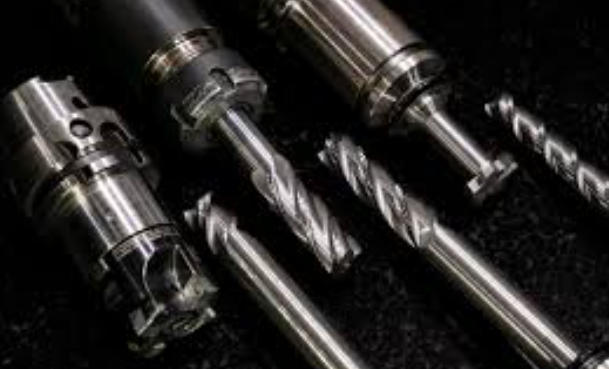
Nijdra Group is widely recognized as a high‑precision machining and assembly partner in the Netherlands, with strong roots in mechatronics and medical devices. Buyers often highlight:
- Reliable quality for complex assemblies with tight tolerances
- Strong engineering and project management support
- Experience with documentation‑heavy, regulated environments
For OEMs that need not just machined parts but also sub‑assemblies, Nijdra's mechatronic expertise can simplify the supply chain by combining precision components, assembly, and functional testing under one roof.
BOZ Group focuses on industrial machining and fabrications, serving customers in automotive, heavy industry, and machinery. They tend to be attractive for:
- Medium to large series production where capacity is critical
- Projects that benefit from combined sheet metal and machining capabilities
- Customers seeking a stable long‑term partner for recurring parts
Buyers working with BOZ typically value the combination of scale, reliability, and the ability to deliver both individual components and larger metal structures.
Hemabo positions itself as a flexible, engineering‑friendly CNC machining partner. It is often chosen by R&D teams and smaller OEMs for:
- Fast prototyping and multiple design iterations
- Openness to design changes and experimental features
- Close engineering collaboration during early development
For products that are still evolving, the ability to iterate quickly and receive practical feedback can be more important than the absolute lowest cost. Hemabo's agility can help engineering teams shorten development cycles and validate designs sooner.
While Dutch CNC machining companies are excellent for European proximity, regulatory alignment, and high‑risk components, many global brands, distributors, and manufacturers look to China for cost‑effective precision machining in later phases of the product lifecycle.
U‑Need is your trusted precision manufacturing partner in China. It supports global brands, distributors, and manufacturers with end‑to‑end solutions, including custom precision parts machining and related services that complement European supplier bases.
Key advantages U‑Need can offer in a hybrid sourcing model include:
- Competitive pricing for medium‑to‑high volumes
- Broad material and process range, including CNC milling, turning, and common surface treatments
- Experience working as an extension of European engineering and quality teams
- Quality systems aligned with international expectations and documentation practices
By combining a Dutch CNC machining supplier for early development and high‑risk components with U‑Need for cost‑optimized series production, buyers can achieve both technical robustness and commercial competitiveness.
A practical approach many OEMs follow is:
1. Prototype and Validate in the Netherlands
- Use Dutch CNC machining suppliers for fast iterations, engineering workshops, and regulatory audits.
2. Stabilize Design and Process
- Once DFM is mature and risks are reduced, prepare full documentation and control plans.
3. Scale with U‑Need in China
- Transfer stable designs, work instructions, and quality requirements to U‑Need.
- Leverage U‑Need's cost advantages for volume production while maintaining quality expectations.
4. Maintain Dual‑Sourcing Resilience
- Keep at least one European supplier active for strategic or safety‑critical parts.
This hybrid model helps buyers mitigate risk, optimize total cost, and increase supply chain resilience by avoiding dependence on a single region or supplier.
To make this guide more actionable, the following structured process can help purchasing and engineering teams evaluate top CNC machining manufacturers and suppliers in the Netherlands.
Before requesting quotes, clearly define:
- Required tolerances, critical features, and acceptance criteria
- Target lead times, flexibility needs, and ramp‑up expectations
- Regulatory requirements, including any industry‑specific standards
- Expected annual volumes and potential future growth
- Budget and total cost expectations
Clarity at this stage ensures that you compare suppliers on factors that actually matter to your projects rather than on generic information.
Use public information, professional networks, and trade fair data to identify potential partners. Focus on:
- Matching industry experience (medical, semiconductor, aerospace, industrial machinery)
- Relevant certifications and quality infrastructure
- Evidence of long‑term customer relationships and positive feedback
At this stage, it is useful to consider both Dutch CNC machining suppliers and U‑Need in China as part of your long‑term sourcing strategy, depending on component criticality, volume, and cost targets.
Send a structured RFQ package with:
- Clear 2D drawings and 3D models
- Tolerances and surface finish priorities
- Annual volume expectations and ramp‑up plan
- Required documentation, such as inspection reports and material certificates
Evaluate not only pricing, but also:
- Speed and clarity of responses
- Depth of technical questions and suggestions
- Transparency about manufacturability risks and uncertainties
Suppliers that engage actively at this stage and offer concrete improvements often prove more reliable in the long run than those that only return a price and a delivery date.
Before committing to large volumes:
- Place pilot orders with 2–3 shortlisted suppliers
- Conduct on‑site or remote process audits focusing on quality control, traceability, and capacity
- Compare actual lead times, measured quality, and issue handling
This is also the right time to assess communication style, reporting quality, and cultural fit, all of which influence long‑term collaboration.
Once you select your primary suppliers:
- Agree on KPIs such as on‑time delivery, PPM targets, and complaint response times
- Set up regular review meetings and improvement plans
- Consider dual‑sourcing strategies, combining Dutch suppliers with U‑Need for risk mitigation and cost optimization
Over time, this structured approach leads to more stable supply chains and better alignment between procurement, engineering, and manufacturing.
Choosing the right CNC machining manufacturers and suppliers in the Netherlands can dramatically improve product quality, project timelines, and overall competitiveness. By combining the strengths of Dutch high‑precision machining with a trusted Chinese precision manufacturing partner like U‑Need, buyers can design supply chains that are both resilient and cost‑effective.
If you are planning a new project, redesign, or supplier consolidation, this is a suitable moment to:
- Shortlist 3–5 Dutch CNC machining suppliers aligned with your industry and priorities
- Define a pilot plan to test quality, communication, and lead times
- Explore how U‑Need's custom precision parts machining can support volume production and cost optimization while maintaining your quality standards
Mapping current and future components to the most suitable sourcing setup—local Dutch machining, Chinese precision manufacturing with U‑Need, or a combination of both—helps ensure that your supply chain remains competitive and robust in the long term.
Contact us to get more information!
The Netherlands offers a dense ecosystem of high‑tech manufacturing, strong logistics infrastructure, and proximity to major EU markets. For many buyers, this results in reliable lead times, easier audits, and close collaboration with engineering teams. This combination is especially useful for complex, high‑value components.
Dutch CNC suppliers often have higher piece prices but can reduce total cost through lower risk, easier communication, and fast issue resolution. Chinese partners such as U‑Need add value in medium‑to‑high volume production with competitive pricing and mature quality systems. A balanced strategy can leverage both regional strengths.
For general industrial applications, ISO 9001 is a baseline expectation. Medical and aerospace applications may require ISO 13485 or AS9100. Depending on your industry, you may also need evidence of cleanroom capabilities, special process qualifications, or customer‑specific approvals and audits.
Document validated processes thoroughly, including drawings, control plans, inspection methods, and lessons learned. Involve both the Dutch supplier and U‑Need in technical handover meetings, and start with controlled pilot batches before a full ramp‑up. Clear expectations on quality and documentation are critical for a smooth transition.
Common risks include miscommunication, inconsistent quality, and logistics disruptions. These can be mitigated by choosing suppliers with proven export experience, setting clear KPIs, maintaining dual sourcing where possible, and investing time in early‑stage collaboration, audits, and structured performance reviews.
1. Nijdra Group – Precision machining and mechatronics in the Netherlands.
https://www.nijdra.com/
2. BOZ Group – Industrial manufacturing and machining services.
https://www.bozgroup.com/
3. Hemabo – CNC machining and prototyping services.
https://www.hemabo.nl/
4. General information on Dutch high‑tech and manufacturing ecosystem – Netherlands Foreign Investment Agency.
https://investinholland.com/
5. Overview of hybrid sourcing and global manufacturing strategies – Generic industry insights and buyer practices synthesized from public manufacturing and supply chain resources.


