Views: 232 Author: U-Need Publish Time: 2026-08-02 Origin: Site
Content Menu
● Understanding Anodizing in Precision Manufacturing
● The 7 Most Common Anodizing Defects and How to Fix Them
>> 1. Color Variation / Uneven Finish
>> 2. Air Bubbles / White Spots
>> 4. Scratches and Mechanical Damage
>> 6. Peeling or Flaking Coating
● The Three Core Factors That Determine Anodizing Quality
>> 3. Electrolyte and Process Parameters
● Industry Case Study: Improving Yield in Mass Production
>> Results:
● How U-Need Ensures Consistent Anodizing Quality
>> Integrated Manufacturing Capabilities
● Practical Checklist for Reducing Anodizing Defects
● Why Surface Treatment Quality Impacts Your Brand
● Take Action: Partner with a Reliable Manufacturing Expert
● FAQ
>> 1. What is the most common cause of anodizing defects?
>> 2. How can color consistency be maintained in anodizing?
>> 3. Why do black spots appear after anodizing?
>> 4. Can anodizing defects be repaired?
>> 5. How does fixture design affect anodizing quality?
Anodizing defects can significantly impact the appearance, durability, and performance of precision parts, especially in industries where surface quality defines brand value. Drawing from real-world manufacturing experience and U-Need's precision machining capabilities, this guide explores the 7 most common anodizing defects, their root causes, and practical solutions to improve yield and consistency in high-volume production.
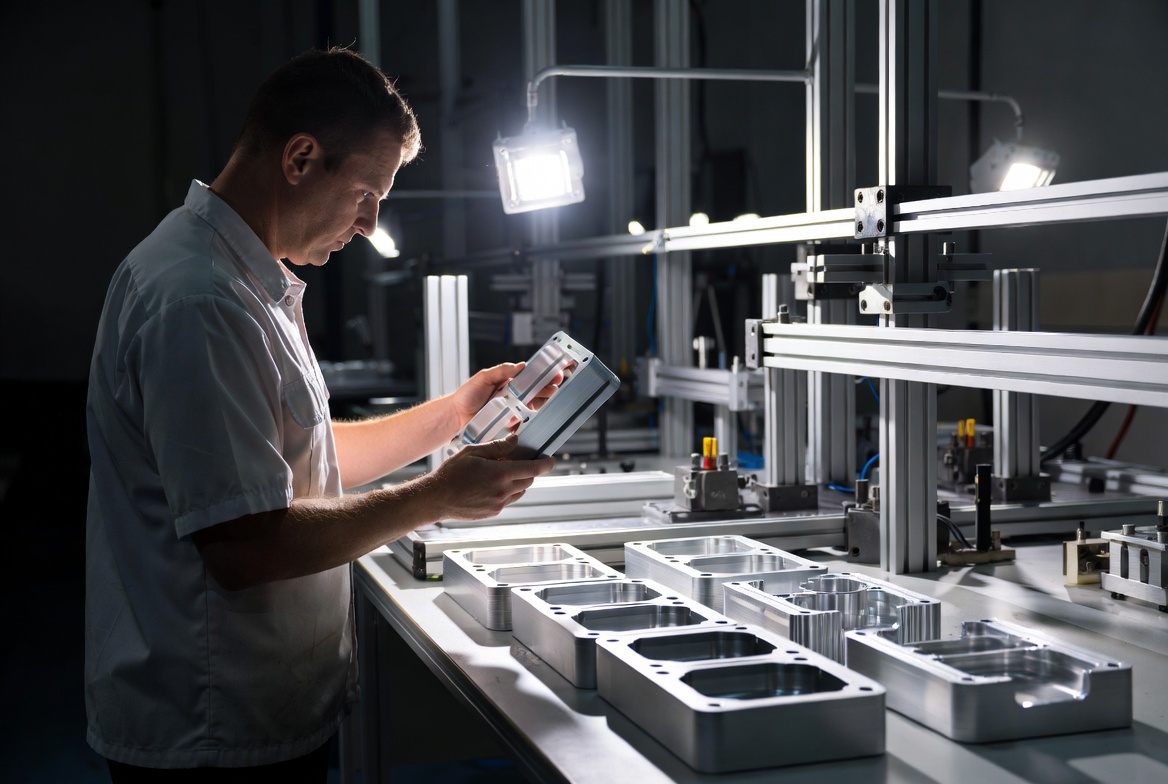
Anodizing is a widely used electrochemical surface treatment process that enhances corrosion resistance, wear resistance, and aesthetics of aluminum components. For global manufacturers sourcing from China, especially through partners like U-Need, anodizing is often the final step that determines whether a product meets international quality standards.
However, even with advanced equipment, anodizing is highly sensitive to variables such as:
- Material composition
- Pre-treatment cleanliness
- Electrolyte chemistry
- Process parameters (temperature, voltage, current)
A minor deviation in any of these can result in visible defects, reduced durability, or even product rejection.
Below is a structured breakdown of the seven most frequent anodizing issues, along with actionable solutions derived from industry practice.
Problem: Inconsistent color across parts or batches.
Root Causes:
- Residual oil contamination
- Mixed material batches with different alloy compositions
- Temperature fluctuations during anodizing
Solutions:
- Implement thorough degreasing protocols
- Ensure material traceability and batch consistency
- Maintain stable bath temperature
Expert Insight: Even slight differences in aluminum alloy (e.g., 6061 vs. 6063) can cause visible color shifts after anodizing.
Problem: White spots or areas without oxide film.
Root Causes:
- Hydrogen gas trapped in grooves or blind holes
- Poor fixture orientation
Solutions:
- Use angled racking techniques
- Design fixtures that allow gas escape paths
Example: Deep CNC-machined cavities often trap gas—tilting the part by 10–15 degrees can eliminate this issue.
Problem: Blackened or burnt edges on sharp corners.
Root Causes:
- Current concentration at sharp edges
- Excessive current density
Solutions:
- Apply edge rounding or chamfering
- Reduce current density during anodizing
Industry Tip: A radius of even 0.2 mm can significantly reduce edge burning.
Problem: Visible scratches after anodizing.
Root Causes:
- Improper handling during transport or processing
- Lack of protective measures
Solutions:
- Use foam padding and rubber-coated fixtures
- Implement full-process protection protocols
Key Point: Anodized layers are transparent—any substrate damage becomes highly visible.
Problem: Small black spots or corrosion pits.
Root Causes:
- Impurities in aluminum material
- High aluminum ion concentration in the bath
Solutions:
- Strict incoming material inspection
- Regular electrolyte purification and monitoring
Problem: Oxide layer detaches from the surface.
Root Causes:
- Over-etching during alkaline cleaning
- Rapid voltage increase during anodizing
Solutions:
- Control etching time precisely
- Use stepwise voltage ramping
Problem: Dull or grayish finish.
Root Causes:
- Residual chemicals on the surface
- Inadequate rinsing
Solutions:
- Use high-purity water for counterflow rinsing
- Ensure complete drying before packaging
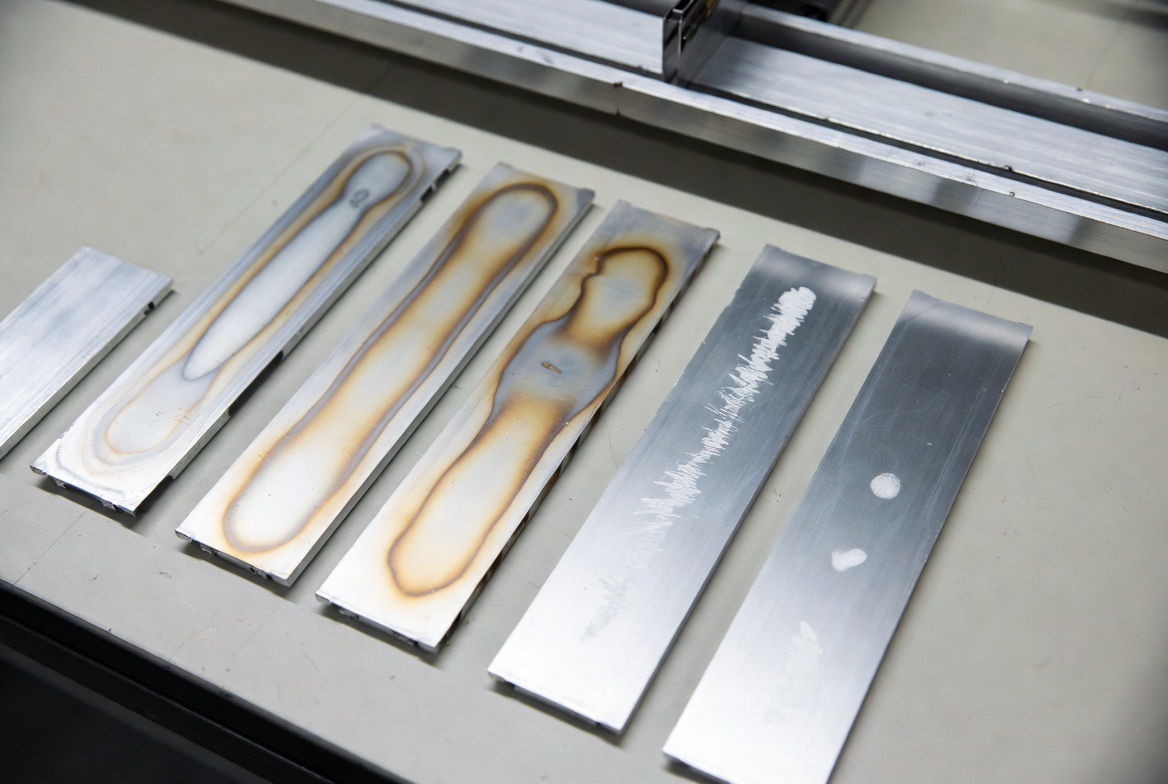
From both production experience and process audits, three critical elements consistently determine success:
- Alloy composition directly affects anodizing response
- Impurities lead to pitting and discoloration
- Cleaning, degreasing, and etching define surface readiness
- Poor pre-treatment accounts for over 60% of defects
- Bath composition, temperature, and current density must remain stable
- Continuous monitoring is essential in mass production
A consumer electronics manufacturer sourcing aluminum housings experienced:
- 15% rejection rate due to color inconsistency
- Frequent customer complaints
1. Standardized aluminum suppliers
2. Introduced automated temperature control
3. Applied batch tracking system
- Defect rate reduced to below 3%
- Improved product consistency across global shipments
This highlights the importance of process control and supplier coordination, especially in international manufacturing partnerships.
As a precision manufacturing partner in China, U-Need integrates anodizing quality control into its full-service workflow:
- Custom precision machining (CNC turning, milling)
- Mold manufacturing (injection molds, stamping dies, cold forging dies)
- Sheet metal fabrication (laser cutting, bending, stamping)
- Incoming material verification
- In-process inspection checkpoints
- Final surface quality audits
- Dedicated anodizing parameter libraries
- Customized fixture design for complex geometries
- Continuous improvement based on production data
Result: Higher yield rates, reduced rework, and consistent global delivery standards.
To improve production outcomes, manufacturers should follow this checklist:
- Verify material composition and supplier consistency
- Maintain strict cleaning and degreasing protocols
- Optimize fixture design for gas release
- Control current density and voltage ramping
- Monitor bath chemistry and impurity levels
- Implement protective handling throughout production
- Use high-purity rinsing systems
In industries like electronics, automotive, and industrial equipment, surface finish is not just cosmetic—it reflects:
- Product reliability
- Manufacturing capability
- Brand perception
A single visible defect can undermine customer trust, especially in high-end markets.
If your business depends on high-quality anodized components, choosing the right manufacturing partner is critical.
U-Need offers end-to-end precision manufacturing solutions, from machining to surface treatment, ensuring that every part meets strict quality standards.
Whether you are a brand owner, distributor, or industrial manufacturer, working with a partner that understands both process control and international expectations can significantly reduce risks and improve outcomes.
Contact U-Need today to discuss your project requirements and discover how precision manufacturing can elevate your product quality.
The most common cause is poor pre-treatment, including inadequate cleaning or degreasing, which leads to surface contamination and uneven coating.
Use consistent material batches, control bath temperature, and standardize process parameters across production runs.
Black spots are usually caused by material impurities or contaminated electrolyte solutions.
Some minor defects can be corrected through reprocessing, but many require complete stripping and re-anodizing, increasing cost.
Proper fixture design ensures uniform current distribution and gas release, preventing defects like burns and air bubbles.
1. Aluminum Anodizers Council – Anodizing Process Overview https://www.anodizing.org/page/what-is-anodizing
2. ASM International – Surface Engineering Handbook https://www.asminternational.org
3. Henkel Surface Technologies – Anodizing Defects Guide https://www.henkel-adhesives.com
4. ISO 7599: Anodizing of aluminum and its alloys https://www.iso.org
5. Industrial Metal Finishing Resources – Common Defects in Anodizing https://www.finishing.com


