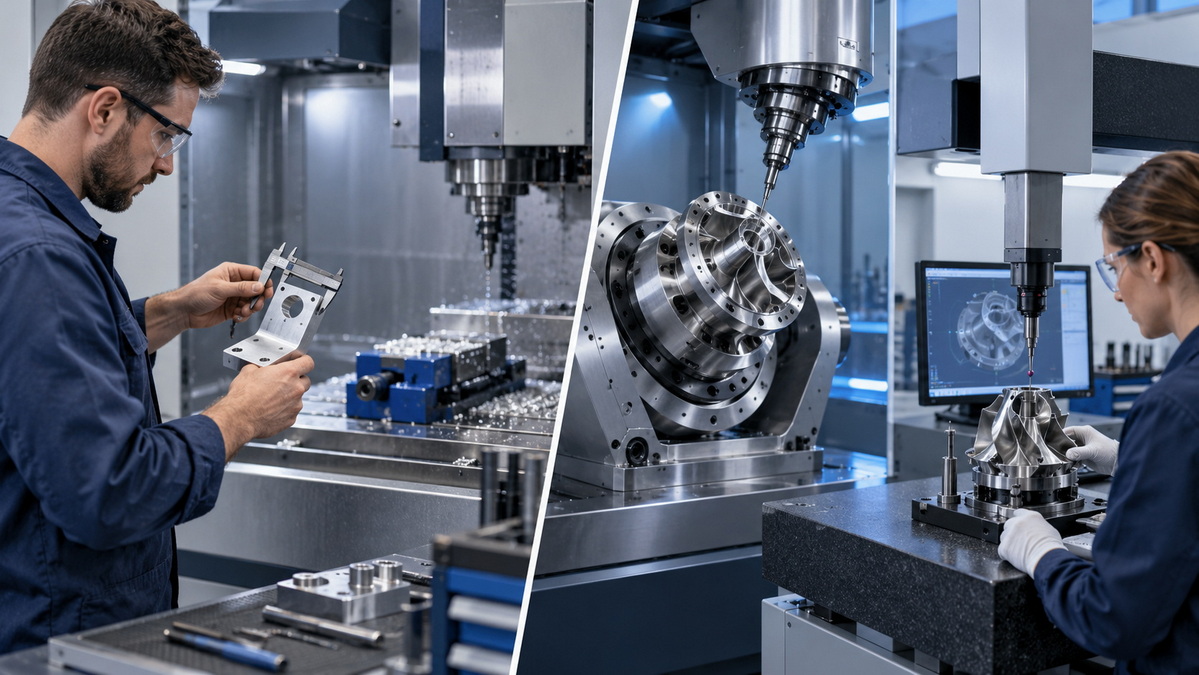
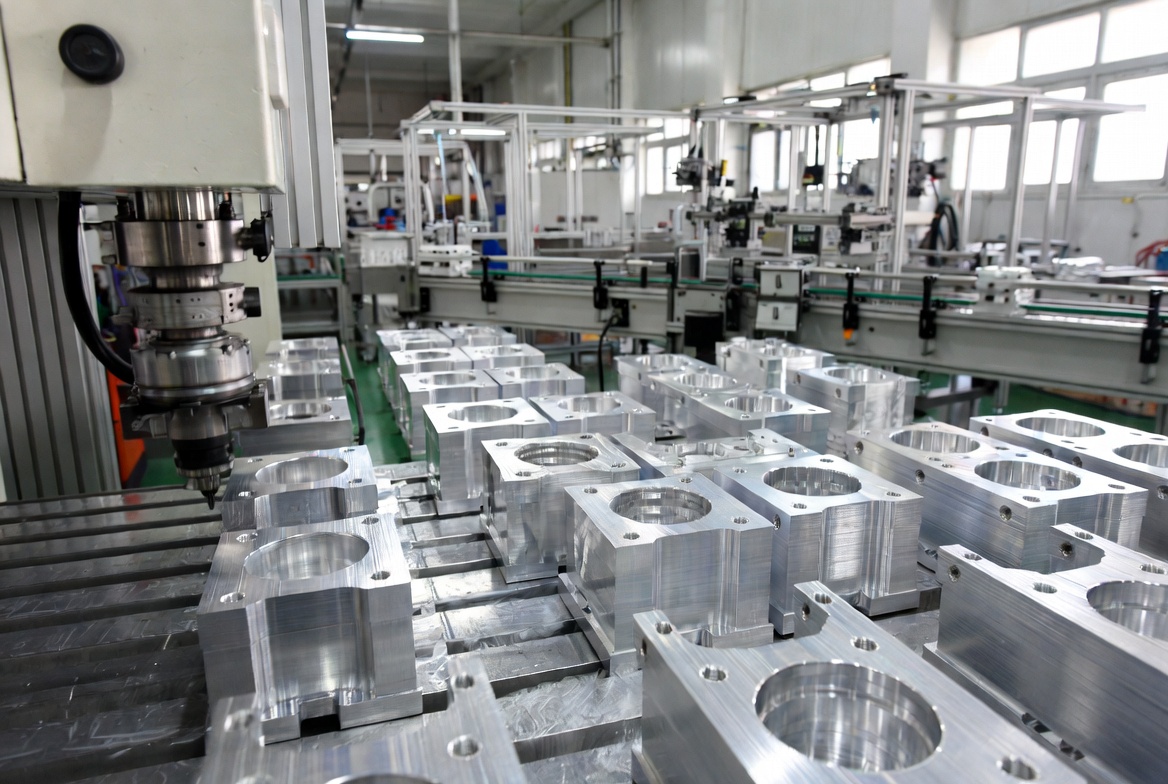
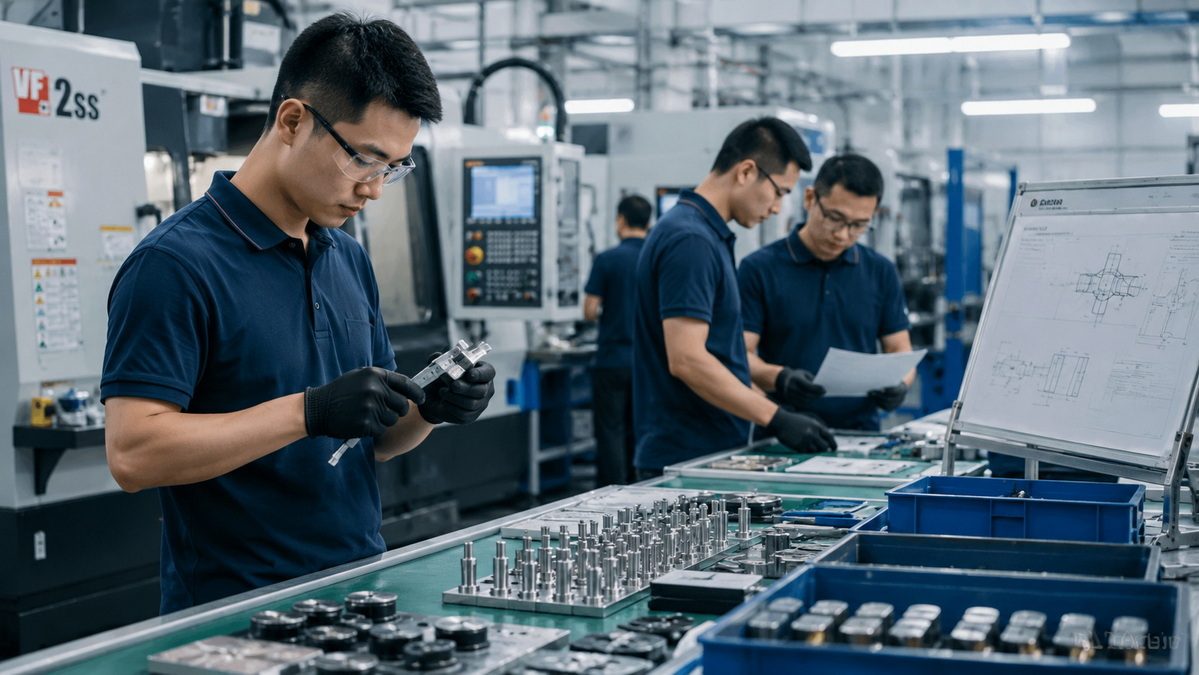
High precision machined parts cost more than conventional machined parts because they require tighter tolerances, longer machining time, advanced machines, specialized fixtures, stricter tool management, more detailed inspection, and increased control over scrap and rework risk. The most cost-effective approach is to apply high precision only to features that affect function, assembly, sealing, alignment, safety, or durability, while using practical general tolerances for noncritical features.