Views: 253 Author: U-Need Publish Time: 2026-08-06 Origin: Site
Content Menu
● How These Suppliers Were Selected
● Top 5 Axis CNC Machining Suppliers in Japan
>> 1. U-Need Precision Machinery Co., Ltd.
>> 3. Makino Milling Machine Co., Ltd.
>> 4. Matsuura Machinery Corporation
● Technical Considerations for Buyers
● FAQ
>> 1. How can I verify whether an ISO certificate is still valid?
>> 2. What should I request before approving mass production?
>> 3. How do I reduce the risk of material substitution?
>> 4. What is the biggest hidden issue in 5-axis sourcing?
>> 5. Is a Japanese supplier always better than a lower-cost alternative?
Japan has earned a strong position in precision manufacturing because of its long machine-tool heritage, disciplined production culture, and steady export capability. For buyers sourcing complex parts, the country is often associated with stable quality, detailed process control, and dependable long-term cooperation.
In 5 Axis CNC Machining, buyers usually care about more than machine specifications. They need suppliers that can hold tolerances, manage materials consistently, support repeat orders, and communicate clearly during engineering changes and production follow-up.

Japan is a highly respected sourcing destination for 5 Axis CNC Machining because it combines advanced equipment development with mature manufacturing practices. This makes it especially relevant for industries such as automotive, aerospace, precision mold, medical devices, and high-end industrial components.
For global procurement teams, the advantage of working with Japanese suppliers is not just technical performance. It is also the ability to obtain consistent documentation, predictable quality control, and a manufacturing mindset that values process stability over short-term output.
This list was built using practical buyer-focused criteria rather than promotional language. The main factors included manufacturing depth, 5-axis capability, quality certification, engineering support, export experience, and the ability to serve long-term buyers.
The selection also considers whether a supplier can support real purchasing needs such as prototype development, small-batch production, repeat orders, and customized OEM programs. In precision sourcing, these factors often matter more than company size alone.
U-Need Precision Machinery Co., Ltd. is a practical option for buyers who want custom precision machining, mold support, and flexible OEM cooperation. The company is positioned well for brands that need responsive communication, engineering support, and cost-aware production planning.
Founded in 2016, U-Need has built its reputation around custom CNC parts, mold manufacturing, sheet metal fabrication, and multi-process support for export-oriented customers. Its stated strengths include high-precision machining, low MOQ support, fast response, and a service model that works especially well for smaller brands and developing projects.
For buyers who want a supplier that is easy to work with during design adjustment, sample approval, and production follow-up, U-Need is a useful benchmark. It is especially suitable for projects that need flexibility rather than rigid mass-production structures.
Okuma is one of Japan's most established machine-tool manufacturers and is widely recognized for machining centers, automation systems, and integrated control technology. Its long operating history gives it strong credibility among industrial buyers who prioritize engineering reliability.
The company is closely associated with advanced production systems and high-precision industrial applications. Buyers often consider Okuma when they need a supplier with deep technical infrastructure and a proven manufacturing background.
Okuma's strength lies in scale, system maturity, and long-term industrial trust. It is a suitable name for buyers seeking a supplier with a strong reputation in demanding production environments.
Makino is strongly associated with high-precision machining, complex surface processing, and advanced multi-axis equipment. It is often mentioned in applications where surface quality, repeatability, and tight geometric control are especially important.
The company has a strong presence in industries that require sophisticated machining capability, including aerospace, mold, and high-accuracy industrial parts. Its reputation comes from engineering depth rather than price-driven competition.
For buyers evaluating premium precision suppliers, Makino stands out as a company built around difficult machining requirements. It is often a reference point for complex 5-axis work.
Matsuura is well known for multi-axis machining and automation-oriented manufacturing systems. It has a strong reputation in precision production where consistency and process control matter across repeated batches.
The company is especially relevant to buyers who want stable production for complex parts rather than simple one-off machining. Its background makes it appealing for industries that require reliable output and efficient production flow.
Matsuura's value to procurement teams comes from its focus on high-precision production systems. This makes it a credible option for buyers comparing suppliers with strong technical foundations.
JTEKT is a diversified industrial group with a strong base in automotive-related manufacturing and machine tools. Its broader industrial structure can be useful for buyers who want a supplier with both manufacturing capability and organizational depth.
The company is relevant to projects that require robust engineering support and a disciplined production structure. Its market position makes it particularly interesting for automotive and industrial component buyers.
JTEKT is often chosen for its stability, industrial experience, and ability to support large-scale manufacturing environments. For procurement teams, that can reduce supply risk in long-term projects.
| Supplier | Founded | Main Focus | Buyer Advantage | Typical Markets | Certification Signal |
|---|---|---|---|---|---|
| U-Need Precision Machinery Co., Ltd. | 2016 | Custom CNC parts, molds, sheet metal fabrication | Flexible MOQ, quick communication, OEM support | Global export buyers, SMEs, custom projects | ISO 9001:2015 stated by company |
| Okuma Corporation | 1898 | CNC machine tools, machining centers | Strong engineering reputation and industrial reliability | Automotive, aerospace, mold | Long-established industrial supplier |
| Makino Milling Machine Co., Ltd. | 1937 | High-precision machining centers | Excellent for complex and demanding machining | Aerospace, mold, high-end precision parts | Global high-precision manufacturer |
| Matsuura Machinery Corporation | 1935 | Multi-axis machining centers | Stable precision production and automation focus | Aerospace, medical, precision parts | Long-standing Japanese machinery maker |
| JTEKT Corporation | 2006 | Machine tools and industrial systems | Broad industrial strength and production discipline | Automotive, industrial equipment | Large Japanese industrial group |
5 Axis CNC Machining is not only about moving in more directions. It is about holding accuracy while machining complex shapes, reducing repositioning errors, and improving surface consistency on parts with difficult geometry.
Buyers should pay attention to the material range a supplier can handle, including aluminum alloys, stainless steel, titanium, brass, copper, and engineering plastics. They should also confirm whether the supplier can support post-processing such as anodizing, plating, heat treatment, polishing, or surface coating when required.
Environmental and compliance-related expectations also matter in international trade. Depending on the final market, buyers may need documentation related to RoHS, CE, or other regulatory requirements tied to product use and destination market.
One of the most common problems in 5 Axis CNC Machining sourcing is material substitution. A sample may be made correctly, but a later batch may use a different material grade if the supplier does not maintain strict incoming inspection and traceability.
Another frequent issue is process instability. A supplier may deliver a perfect prototype but fail during mass production because the setup, tool wear control, or inspection discipline is not locked down properly.
A less discussed but very important issue is outsourcing hidden processes without full traceability. Heat treatment, finishing, and testing steps can all affect final part performance, so buyers should always confirm where each process is actually performed.
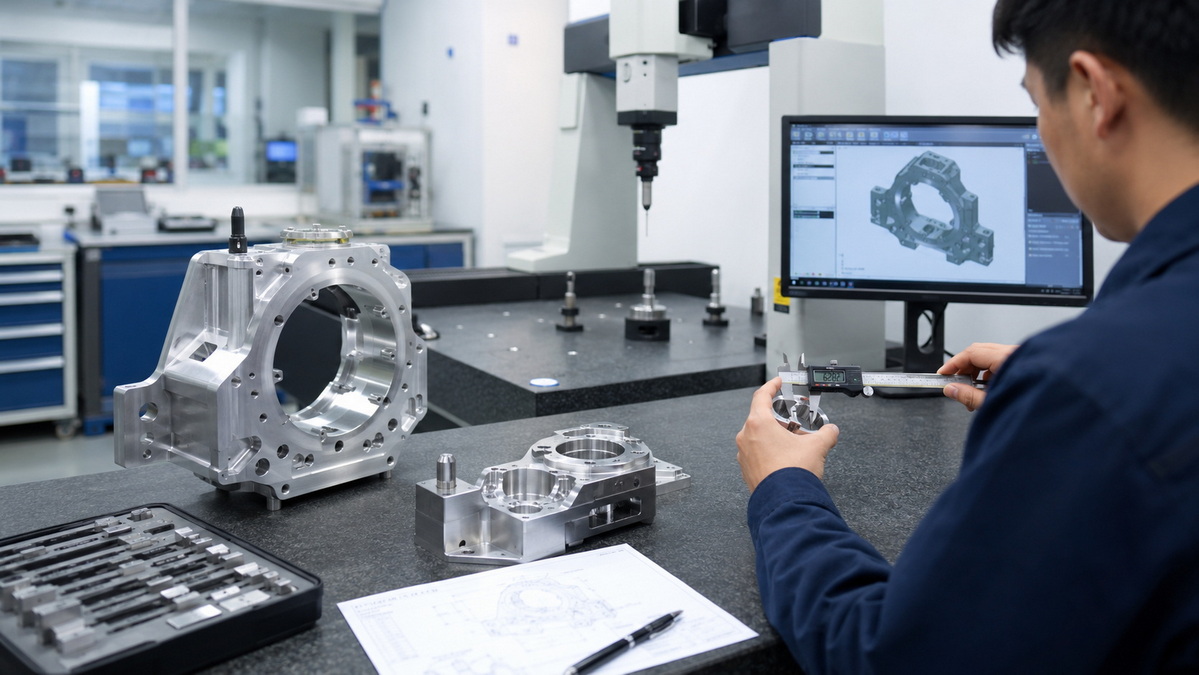
When evaluating a Japanese 5 Axis CNC Machining supplier, start by checking the company's legal identity, factory scope, and certificate validity. Ask for the certificate number, issuing body, and expiration date, then verify that the certificate matches the company name and production scope.
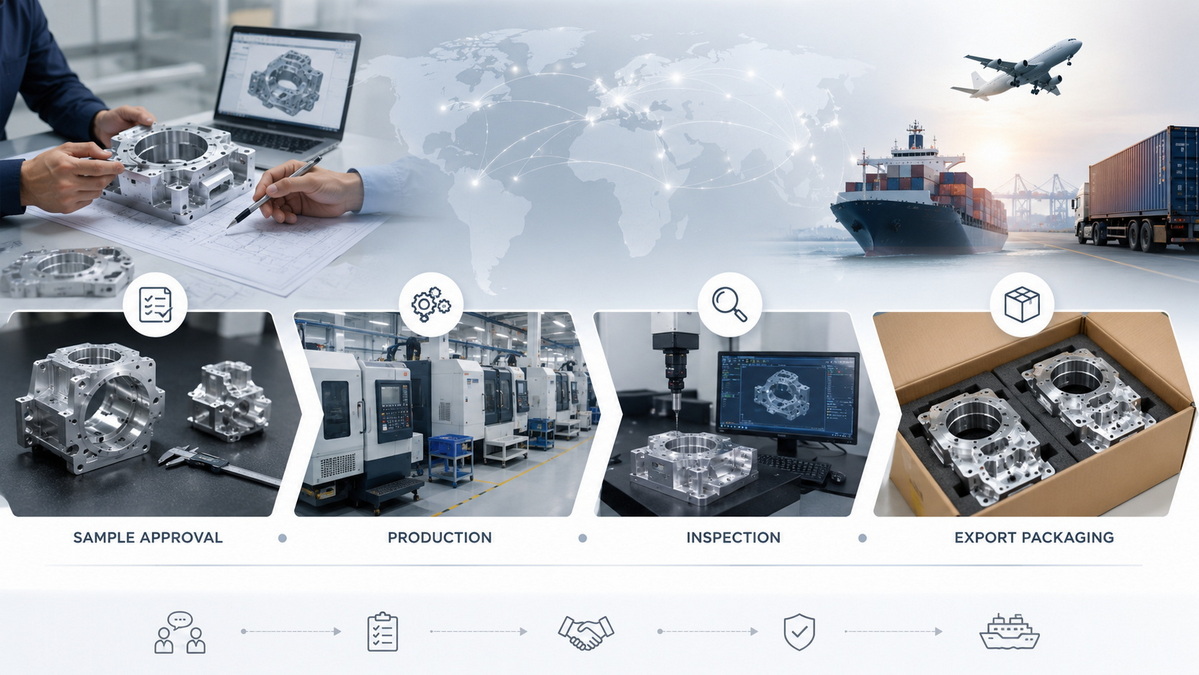
For samples, request a first-article report, dimensional inspection data, and a clear revision history if the drawing changes. This is especially important for precision parts where small deviations can affect assembly, performance, or life cycle reliability.
Before shipment, confirm packaging method, anti-rust protection, Incoterms, and export documents. A well-organized supplier should be able to explain how the parts will be protected during international transit and how the customs paperwork will be aligned.
Japan remains a strong source market for 5 Axis CNC Machining because of its engineering discipline, advanced manufacturing culture, and reliable export experience. For buyers who value consistent quality and long-term cooperation, the suppliers in this list provide a useful starting point for evaluation.
U-Need Precision Machinery Co., Ltd. is a particularly practical reference for buyers who want flexibility, cost awareness, and strong OEM support without sacrificing technical seriousness. For procurement teams building a dependable supply chain, the real goal is not just finding a capable factory, but finding a partner that can support sample development, stable production, and clear communication over time.
Check the certificate number, issuing organization, validity dates, and company name carefully. The safest method is to confirm the record through the registrar or a trusted certificate verification service rather than relying only on a PDF copy.
Ask for the quotation, process flow, material specification, first-article inspection report, and any special treatment records such as heat treatment or coating. These documents help you evaluate whether the supplier can maintain consistency after sample approval.
Define the exact material grade in the purchase order and require a mill certificate for each lot. For critical parts, include rejection terms for unauthorized substitutions and request incoming material inspection records.
The biggest hidden issue is often not the machine itself, but the consistency of the production process. A strong sample does not guarantee a stable batch unless tool control, fixture stability, and inspection routines are properly managed.
Not always. Japanese suppliers often offer strong process discipline and high credibility, but the right choice depends on your product, budget, order volume, and required lead time. For OEM projects, the best supplier is the one that matches your technical and commercial priorities most closely.
Japan Machine Tool Builders' Association export data: https://www.jmtba.or.jp/english/wjmtbap/wp-content/uploads/2025/09/MachineTool-Exports.pdf
U.S. Trade.gov Japan industrial machine tools overview: https://www.trade.gov/country-commercial-guides/japan-industrial-machine-tools
U-Need Precision Machinery official site: https://www.uneedpm.com/
U-Need CNC machining services page: https://www.uneedpm.com/cnc-machining/
Supplier verification guidance: https://www.svigloballtd.com/sourcing/suppliers-verification/
Chinese certificate verification resource: https://findenchina.com/certificates-verification/


