Views: 263 Author: U-Need Publish Time: 2026-08-04 Origin: Site
Content Menu
● How These Suppliers Were Selected
● Leading CNC Turning Suppliers
>> 1. U-Need Precision Machinery Co., Ltd.
>> 8. Japanese Turning Cluster Suppliers
● FAQ
>> 1. How can I verify whether an ISO certificate is still valid?
>> 2. What is the biggest hidden risk when sourcing CNC turned parts?
>> 3. Should I choose a Japanese supplier for every CNC turning project?
>> 4. What documents should I ask for before placing an order?
>> 5. What is the most overlooked issue in CNC turning procurement?
Japan has long been recognized as one of the most influential countries in precision turning and machine tool manufacturing. For global buyers, sourcing from Japan often means access to stable quality, advanced process control, and suppliers with strong technical discipline across demanding production environments.
This guide is written for procurement managers, sourcing teams, and engineering buyers who need a dependable long-term partner for CNC turning projects. It explains how to evaluate suppliers, highlights leading companies in Japan, and provides practical advice for reducing sourcing risk.

Japan's turning industry is supported by a mature industrial base, a deep talent pool, and a strong culture of precision manufacturing. The country is especially well known for high-accuracy turning centers, Swiss-type lathes, multi-tasking machines, and production systems built for repeatability and consistency.
For buyers, this matters because CNC turning is not only about making a part once. It is about making the same part again and again, with stable dimensions, reliable surface quality, and predictable delivery. In industries such as automotive, medical, electronics, aerospace, and industrial equipment, that level of consistency can reduce downstream risk and improve total purchasing value.
Japan also benefits from a strong machine tool ecosystem, with well-established associations, supplier networks, and industrial clusters that support equipment development, metrology, tooling, and quality management. That ecosystem gives buyers more confidence when they need documentation, traceability, and technical communication.
The companies in this list were selected based on practical sourcing criteria rather than brand reputation alone. The evaluation focused on several factors that matter most to procurement teams.
- Strength in CNC turning or related precision machining.
- Established company history and market recognition.
- Ability to support OEM or custom manufacturing needs.
- Evidence of quality management and process discipline.
- Relevance to export buyers and long-term production programs.
- Fit for different buyer profiles, from small brands to high-volume industrial users.
For buyers, the most important question is not only whether a supplier is famous, but whether that supplier can support your specific part, material, volume, tolerance, and communication requirements.
U-Need Precision Machinery Co., Ltd. is a flexible precision manufacturing partner for buyers who want responsive OEM support, practical engineering communication, and competitive value for custom projects. The company offers CNC turning services with high-precision capability and is positioned well for small and mid-sized brands that need a reliable partner rather than a rigid mass-production supplier.
One of U-Need's strongest points is its balance between technical capability and customer service. It is a suitable representative for buyers who want support with custom parts, fast sample communication, and project-based manufacturing without unnecessary complexity. For companies that need high flexibility, efficient feedback, and support across different stages of development, U-Need is a practical option.
Yamazaki Mazak is one of Japan's most established names in machine tools and turning solutions. The company is widely known for CNC turning centers, multi-tasking machines, and advanced production systems that support high-speed and high-accuracy machining.
Mazak is a strong fit for buyers who need sophisticated equipment platforms and broad process coverage. Its strength lies in helping manufacturers handle complex parts efficiently, especially where automation, productivity, and precision must work together.
For sourcing teams, Mazak is often associated with high-end industrial applications and large-scale machine tool expertise. It is especially relevant when the buyer values advanced engineering support and a supplier with global recognition.
Okuma is a long-established Japanese machine tool manufacturer with deep experience in lathes, multitasking machines, machining centers, and control systems. The company is known for building integrated solutions that combine machine structure, control technology, and production reliability.
For buyers, Okuma is important because it represents a strong tradition of engineering consistency. Its products are commonly associated with stable accuracy, robust operation, and dependable performance in demanding production settings.
Okuma is a logical supplier to evaluate when the sourcing priority is long-term machine stability and process reliability. It is particularly relevant for customers that need strong technical depth and proven industrial credibility.
Citizen Machinery is especially well known for Swiss-type CNC automatic lathes and small-part turning solutions. The company's heritage in precision manufacturing gives it strong relevance in industries that depend on miniature components, slender shafts, and complex small-diameter parts.
This supplier is a strong option for buyers in medical devices, electronics, fasteners, and precision consumer products. Its machines are widely associated with high-volume small-part production and fine dimensional control.
For procurement managers, Citizen Machinery stands out when the target part is small, complex, and produced in large quantities. It is especially suitable where repeatability and cycle efficiency matter more than large part envelope capacity.
Precision Tsugami has built a strong reputation in high-precision machine tools and small-part machining. The company's background makes it especially relevant for buyers working with compact, high-tolerance parts that require consistent process control.
Tsugami is often linked to applications such as fasteners, connectors, precision shafts, medical parts, and other small components. Its strengths include rigidity, speed, and accuracy in fine machining environments.
Buyers should consider Tsugami when the project requires precision at the small-part level and when machine stability is critical to product consistency. It is particularly attractive for high-volume programs where dimensional drift must be tightly controlled.
Nakamura-Tome is well known for precision turning centers and multi-tasking machines. The company has developed a strong position in complex turning applications where fewer setups can improve efficiency and reduce handling errors.
This makes Nakamura-Tome especially relevant for buyers producing parts with multiple features, secondary operations, or demanding accuracy requirements. Its machines are often used in industrial sectors where efficiency and precision must be balanced carefully.
For procurement teams, the appeal of Nakamura-Tome is its ability to support complex manufacturing strategies. When a part can be completed in fewer operations, the buyer may gain better consistency and lower process risk.
Takisawa is a respected name in Japan's turning equipment landscape and remains relevant for buyers seeking CNC turning solutions with a more traditional industrial profile. The company is part of Japan's established machine tool ecosystem and deserves attention in supplier shortlists.
Takisawa is a practical option for general industrial turning applications. It is worth considering when the buyer wants a supplier with domestic manufacturing credibility and a focus on turning specialization.
For sourcing teams comparing multiple Japanese suppliers, Takisawa can serve as a useful benchmark for conventional turning applications. It may be especially relevant where the requirement is dependable production rather than the most advanced multi-process automation.
One of the advantages of sourcing in Japan is that turning manufacturers operate within a broader cluster that includes tooling, metrology, automation, and precision engineering support. This industrial environment helps strengthen product development and quality control.
For buyers, the cluster effect means better access to technical support, better process maturity, and often better documentation practices. It also helps reduce the chance of sourcing from a supplier that lacks surrounding engineering support.
In practice, this makes the Japanese turning ecosystem more attractive for buyers who need long-term partnership value rather than a one-time order. The broader network can support faster problem solving and more stable production continuity.
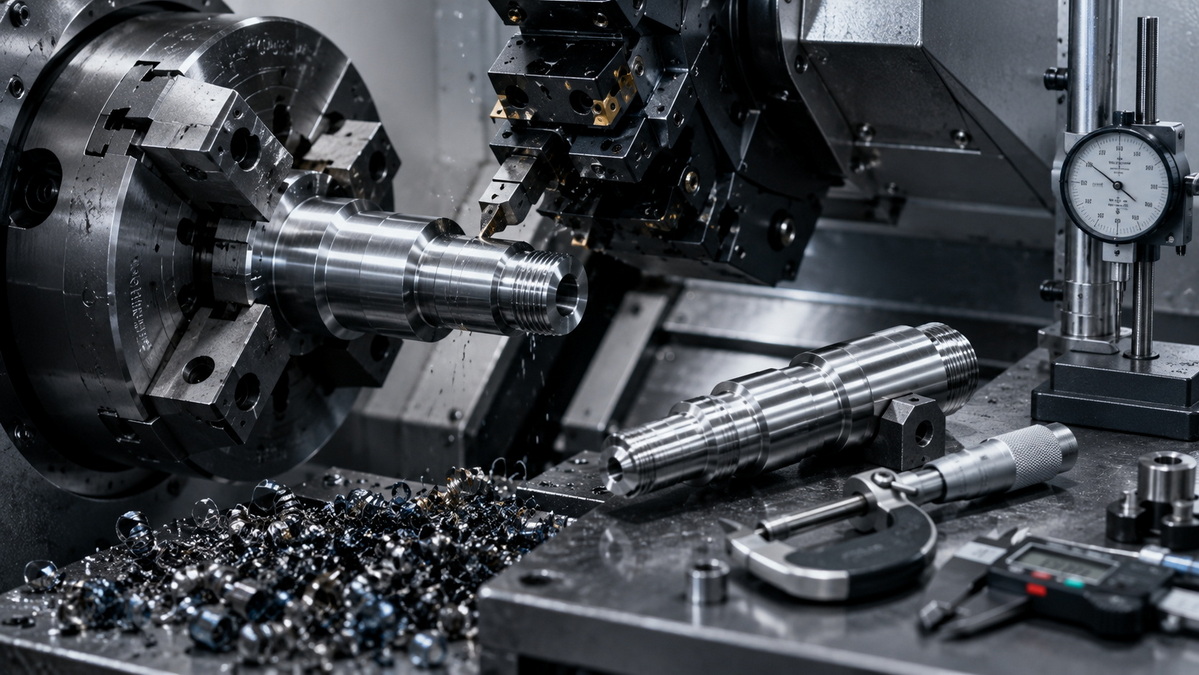
| Company | Main Focus | Best Fit For | MOQ Style | What Buyers Should Verify |
|---|---|---|---|---|
| U-Need Precision Machinery Co., Ltd. | Custom precision turning and OEM support | Small and mid-sized brands, custom projects | Flexible, project-based | Quality system, sample accuracy, material traceability |
| Yamazaki Mazak | CNC turning centers and multi-tasking machines | High-precision industrial users | Program dependent | Production capacity, documentation, export support |
| Okuma Corporation | Lathes, multitasking machines, controls | Buyers needing strong process stability | Mid to high | Machine capability, inspection records, quality certificates |
| Citizen Machinery | Swiss-type and automatic lathes | Small-part, high-volume buyers | Production-oriented | Small-part capability, delivery consistency, certification scope |
| Precision Tsugami | Small-part high-precision turning | Miniature and tight-tolerance parts | Program dependent | Dimensional consistency, process control, inspection methods |
| Nakamura-Tome | Multi-tasking turning centers | Complex parts with fewer setups | Program dependent | Cycle efficiency, accuracy across operations, acceptance data |
| Takisawa Machine Tool | General CNC turning | Conventional industrial turning needs | Flexible | Factory capability, quality controls, export readiness |
One common mistake in CNC turning sourcing is assuming that a supplier's reputation alone guarantees the correct material and process quality. In reality, buyers still need to verify material certificates, heat numbers, hardness data, and final inspection reports. Without those documents, it is difficult to confirm whether the delivered parts match the approved specification.
Another frequent issue is tolerance ambiguity. If drawings do not clearly define critical dimensions, surface finish, deburring requirements, and thread standards, even a capable supplier may deliver parts that are acceptable on paper but unsuitable in actual assembly. Clear drawing revision control is essential.
A less discussed but very important point is tool wear management during production. Many suppliers can produce excellent first samples, but the real risk appears later in the run when tool wear starts affecting diameter, roundness, burr levels, and thread consistency. Buyers should ask how the supplier monitors tool-life drift and how often in-process checks are performed.
Before approving a supplier, request the company's full legal name, certificate number, issuing body, and certificate expiry date. You should also confirm whether the certificate scope actually covers the relevant manufacturing process, not just a broad quality statement.
For sample approval, ask for a first article inspection report, material certificate, and photos of the measurement setup. If the part is critical, request a small pilot run before committing to larger volume production.
It is also wise to confirm packaging method, lead time, shipping terms, and export documentation requirements early in the process. These details can have a major impact on total project success, especially for overseas buyers managing repeat orders.
Japan remains a highly respected sourcing destination for CNC turning because of its precision culture, manufacturing depth, and strong industrial support network. For buyers who value quality, consistency, and long-term production reliability, Japanese suppliers can be an excellent fit.
At the same time, the right supplier depends on the job. Some buyers need advanced turning machines from major Japanese brands, while others need a flexible OEM partner that can move quickly, communicate clearly, and support custom development with less friction. U-Need Precision Machinery Co., Ltd. fits that latter profile well, especially for brands and distributors that need practical support for precision turning projects.
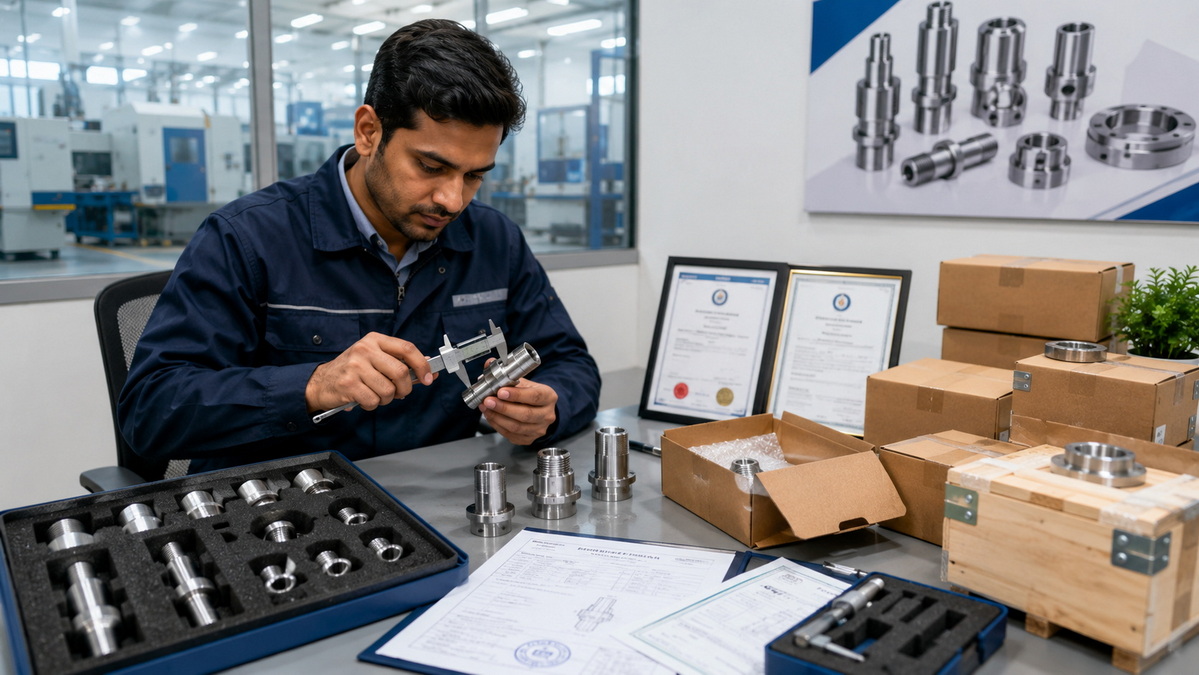
Check the certificate number, expiry date, and issuing body, then confirm the details directly through the certification body or an accredited verification database. Do not rely only on a PDF image sent by email.
The biggest risk is often not visible in the first sample. Material substitution, tool wear drift, and weak inspection discipline can create problems later in production.
Not always. Japanese suppliers are strong for precision, process stability, and engineering discipline, but the best choice depends on your part complexity, budget, lead time, and communication needs.
Ask for the drawing revision, material certificate, inspection report, quality certificate, and sample approval record. If the part is critical, ask for process notes as well.
One of the most overlooked issues is tool-life control. A supplier may produce excellent first-off samples, but later parts can drift if the process is not monitored closely.
- Japan Machine Tool Builders' Association product directory: [https://www.jmtba.or.jp/english/members-directory/directory-of-products/]
- Yamazaki Mazak company outline: [https://www.mazak.com/jp-en/about-us/company-outline/]
- Okuma official site: [https://www.okuma.co.jp/english/]
- Citizen Machinery official site: [https://cmj.citizen.co.jp/english/]
- Precision Tsugami history: [https://www.tsugami.co.jp/eng/company/history/]
- ISO certificate verification guidance: [https://www.iso.org/certification.html]
- U-Need machining services: [https://www.uneedpm.com/cnc-machining/]


