Views: 262 Author: U-Need Publish Time: 2026-08-01 Origin: Site
Content Menu
● What Anodizing Aluminum Actually Does
● Why It Matters In Manufacturing
>> Type II: Sulfuric Acid Anodizing
>> Type III: Hardcoat Anodizing
>> Other Specialized Processes
● What Buyers Usually Care About
● Real-World Application Examples
● Why Precision Partners Matter
● FAQ
>> 1. What is anodizing aluminum?
>> 2. Is anodized aluminum conductive?
>> 3. Why can anodized aluminum be colored?
>> 4. Which anodizing type is strongest?
>> 5. Why does anodizing cost more for harder finishes?
Anodizing aluminum is one of the most important surface finishing processes in precision manufacturing, especially when a part needs corrosion resistance, wear resistance, color stability, and electrical insulation. In simple terms, it turns aluminum's natural oxide layer into a stronger, thicker, and more useful protective skin.
Anodizing is an electrochemical process that converts the metal surface into a durable oxide finish rather than adding a coating that sits on top of the part. The aluminum part is immersed in an acid electrolyte bath and connected as the anode, so a controlled oxidation reaction forms a porous aluminum oxide layer on the surface.
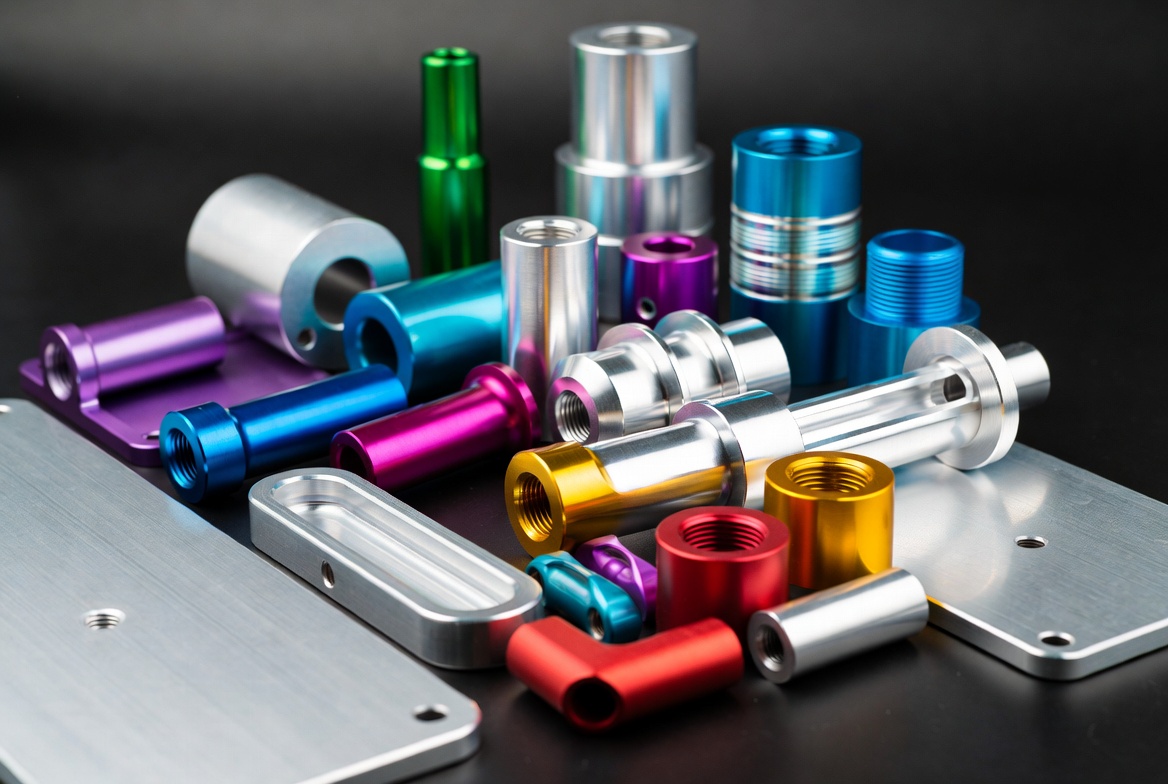
That porous structure is the reason anodized aluminum can be dyed in different colors and then sealed for better performance. This is also why anodizing is widely used in products that need both appearance and function, such as consumer electronics, appliances, and industrial components.
For product teams, anodizing is not just a "finishing step." It can affect product life, brand perception, assembly quality, and even electrical behavior. Because the oxide layer is integrated with the base material, anodized surfaces tend to be more durable and weather-resistant than many simple painted finishes.
In practical terms, anodizing is especially valuable when a part must survive frequent handling, outdoor exposure, or repeated friction. This is why it shows up in smartphone frames, heat sinks, machine housings, and other parts where both appearance and reliability matter.
The original material mentioned three common process families, and that framing is useful for buyers. Industry references generally group aluminum anodizing into sulfuric acid anodizing, chromic acid anodizing, and hardcoat anodizing; sulfuric acid is the most widely used option, while hardcoat is designed for much tougher wear conditions.
Type II is the most common choice for general-purpose decorative and protective finishes. It creates a balanced oxide layer that works well for consumer products, enclosures, and parts where color options matter.
Type III, also called hardcoat anodizing, is thicker, harder, and more abrasion-resistant than Type II. It is typically selected for parts exposed to high wear, harsh environments, or demanding industrial use.
Other baths and variants exist, including chromic acid and oxalic-acid-based systems, but they are less common in everyday commercial buying decisions. Oxalic acid can be used to create durable finishes, but it generally requires different operating conditions and is usually discussed as a specialized process rather than the default option.
Most buyers do not ask for anodizing by chemistry first. They ask what the finish must do.
- Color appearance, for products that need a premium visual finish.
- Corrosion resistance, for outdoor or humid environments.
- Wear resistance, for moving parts or frequently handled parts.
- Electrical insulation, for components that must not conduct current.
- Dimensional control, because the coating is part of the surface engineering plan, not just decoration.
A helpful rule is this: if the part must look good and survive real use, anodizing is often a strong candidate.
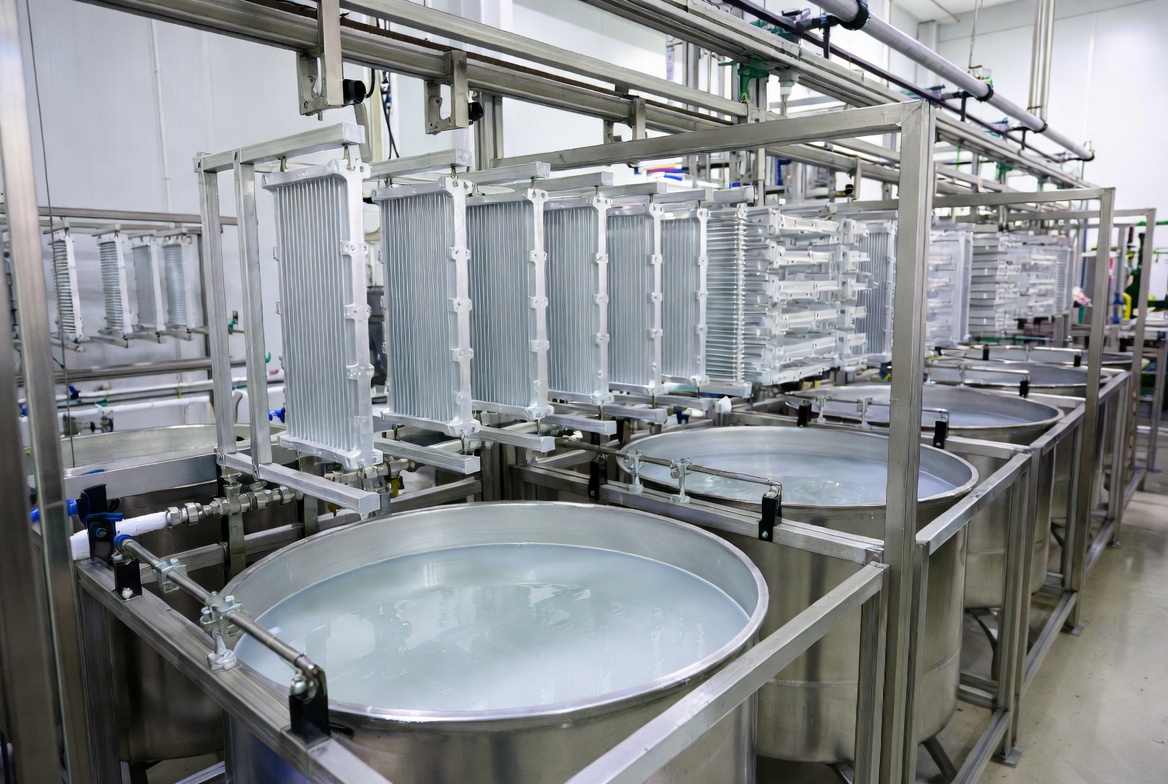
A reliable anodizing job depends on process discipline. The basic flow usually includes cleaning, etching or surface preparation, anodizing, coloring if needed, sealing, and final curing or drying.
1. Degreasing and cleaning.
2. Etching or surface activation.
3. Desmutting or neutralizing residues.
4. Anodizing in the electrolyte bath.
5. Dyeing or coloring, if required.
6. Sealing the pores.
7. Drying, curing, and inspection.
That "seven-step" logic matches the original copy's core message, but the real takeaway is more important: every step affects the final finish. If cleaning is poor, color may look uneven; if sealing is weak, corrosion resistance can suffer.
The original draft gave practical price ranges in RMB, and that is useful for quoting discussions. In general market references, anodizing cost varies by process type, color demand, batch size, and finish complexity.
| Process type | Typical positioning | Original pricing range |
|---|---|---|
| Sulfuric acid anodizing | General-purpose, color-friendly | 30–60 RMB per square meter |
| Oxalic acid / tougher variant | More wear-resistant | 80–150 RMB per square meter |
| Hardcoat anodizing | Highest wear performance | 150–350 RMB per square meter |
These numbers should be treated as project-level estimates, not fixed industry quotes, because thickness, masking, racking, yield loss, and appearance requirements can all change the final price. For a phone mid-frame, the original note of 3–10 RMB per piece is plausible as a workflow example, but actual pricing will depend on volume, color, rejection tolerance, and cosmetic standard.
Anodized aluminum is widely used in consumer electronics, appliances, and industrial products. For electronics, anodizing helps protect housings and heat sinks while keeping the surface lightweight and visually refined.
For industrial machinery, hardcoat finishes are often chosen when the surface must resist abrasion, sliding contact, or repeated handling. For brands selling premium hardware, anodizing also supports a cleaner visual identity because the finish can be colored while still feeling metal-like and professional.
If you are sourcing anodized parts, do not stop at "anodized black" or "anodized silver." Good specifications reduce defects, disputes, and rework.
- Alloy grade, because different aluminum alloys anodize differently.
- Finish type, such as decorative or hardcoat.
- Color target, including sample reference or color tolerance.
- Surface quality, such as brushed, matte, or polished base finish.
- Thickness requirement, if the part has critical fits or wear needs.
- Masking areas, for threads, contacts, or functional surfaces.
- Salt spray or durability target, when the part is used outdoors.
This is where precision manufacturers add the most value: they align machining, surface prep, and finishing so the part performs as intended from the first sample to mass production.
Anodizing is only one link in the chain. The quality of the machined surface, the sharpness of edges, the cleanliness before finishing, and the consistency of the process all affect final results. That is why brands often prefer a supplier that can manage machining, mold-making, sheet metal fabrication, and finishing together.
For global buyers, this integrated approach reduces communication loss and makes it easier to control quality across custom precision parts machining, mold manufacturing, and sheet metal fabrication. It also improves lead-time planning, because the finishing process can be matched to the geometry and function of the part from the beginning.
Use the table below as a simple sourcing guide.
| Need | Best fit | Why |
|---|---|---|
| Premium consumer appearance | Type II | Better for color, decoration, and general protection |
| General industrial protection | Type II | Balanced cost and performance |
| Heavy wear or harsh service | Type III | Thicker and more abrasion-resistant |
| Special finishing requirements | Specialized baths | Used only when the project truly needs them |
The best choice is not always the hardest or most expensive one. The best choice is the one that matches the part's real working environment.
Anodizing aluminum is an electrochemical process that grows a protective oxide layer on the metal surface.
Anodized aluminum is generally considered electrically insulating because the oxide layer does not conduct electricity like bare aluminum.
The oxide layer is porous, so dyes can enter the surface and then be sealed for a stable finish.
Hardcoat anodizing, also known as Type III, is generally the hardest and most wear-resistant option.
Harder finishes usually require tighter process control, thicker coatings, and more demanding operating conditions, which increases cost.
- Aluminum Anodizers Council. "What is Anodizing?" https://www.anodizing.org/ [anodizing]
- Dassault Systèmes. "Anodizing." https://www.3ds.com/make/guide/finishing/anodizing [3ds]
- Zintilon. "Anodizing Aluminum | Pricing Insights for Surface Treatment." https://www.zintilon.com/blog/anodized-aluminum-cost/ [zintilon]
- Pioneer Metal Finishing. "Aluminum Anodizing: Types and Capabilities Explained." https://www.pioneermetal.com/our-processes/anodizing/ [pioneermetal]
- Products Finishing. "Oxalic Acid Anodizing—the Basics." https://www.pfonline.com/articles/oxalic-acid-anodizingthe-basics [pfonline]
- LSRPF. "Why Is The Price Of Anodized Aluminum 10 Times Higher?" https://www.lsrpf.com/blog/why-is-the-price-of-anodized-aluminum-10-times-higher [lsrpf]
- Hubs. "What is anodizing and how does it work?" https://www.hubs.com/knowledge-base/what-is-anodizing/ [hubs]
- Valence Surface Technologies. "Explaining the Differences Between Hardcoat and Other ..." https://www.valencesurfacetech.com/the-news/hard-anodized/ [valencesurfacetech]
- Finishing.com. "Anodising Cost: Smart Pricing Guide for Tough Jobs." https://www.finishing.com/380/59.shtml [finishing]
- Xometry. "Everything You Need to Know About Aluminum Anodizing." https://www.xometry.com/resources/machining/aluminum-anodizing/ [xometry]
- Valence Surface Technologies. "Anodizing Aluminum: Types, Benefits, And Process ..." https://www.valencesurfacetech.com/the-news/anodizing-aluminum/ [valencesurfacetech]
- Anoplate. "Where is Anodizing Used?" https://www.anoplate.com/news-and-events/where-is-anodizing-used/ [anoplate]
- Alliance Chemical. "Sulfuric Acid Anodizing Type II: MIL-A-8625 Process Guide." https://alliancechemical.com/blogs/articles/sulfuric-acid-anodizing-type-ii-explained [alliancechemical]
- SAF. "Anodized Aluminum Applications." https://www.saf.com/anodizing/anodized-aluminum-applications/ [saf]
- Light Metals Coloring. "Type II vs. Type III Anodize | Mil-A-8625 ..." https://www.lightmetalscoloring.com/type-ii-vs-type-iii-anodize [lightmetalscoloring]
- Radmot. "Aluminum anodizing – is it just the color?" https://radmot.com/blog/aluminum-anodizing [radmot]
- CanArt. "Top 8 Applications of Anodized Aluminum in Modern Industries." https://www.canart.com/blog/top-8-applications-of-anodized-aluminum-in-modern-industries/ [canart]
- PFI. "A Guide to Type II 8625 Anodizing Services." https://www.pfiinc.com/what-is-type-ii-aluminum-anodizing/ [pfiinc]


