Views: 245 Author: U-Need Publish Time: 2026-06-30 Origin: Site
Brushing finish is one of the most practical and visually effective surface treatments in precision manufacturing. When applied correctly, it improves appearance, reduces visible tool marks, and creates a refined texture that supports both functional and aesthetic goals. [rapiddirect]
For brands, distributors, and manufacturers sourcing from China, understanding the brushing finish process helps you specify the right appearance, control quality, and choose the best post-processing route for CNC-machined parts, sheet metal components, and custom metal products. [jlccnc]
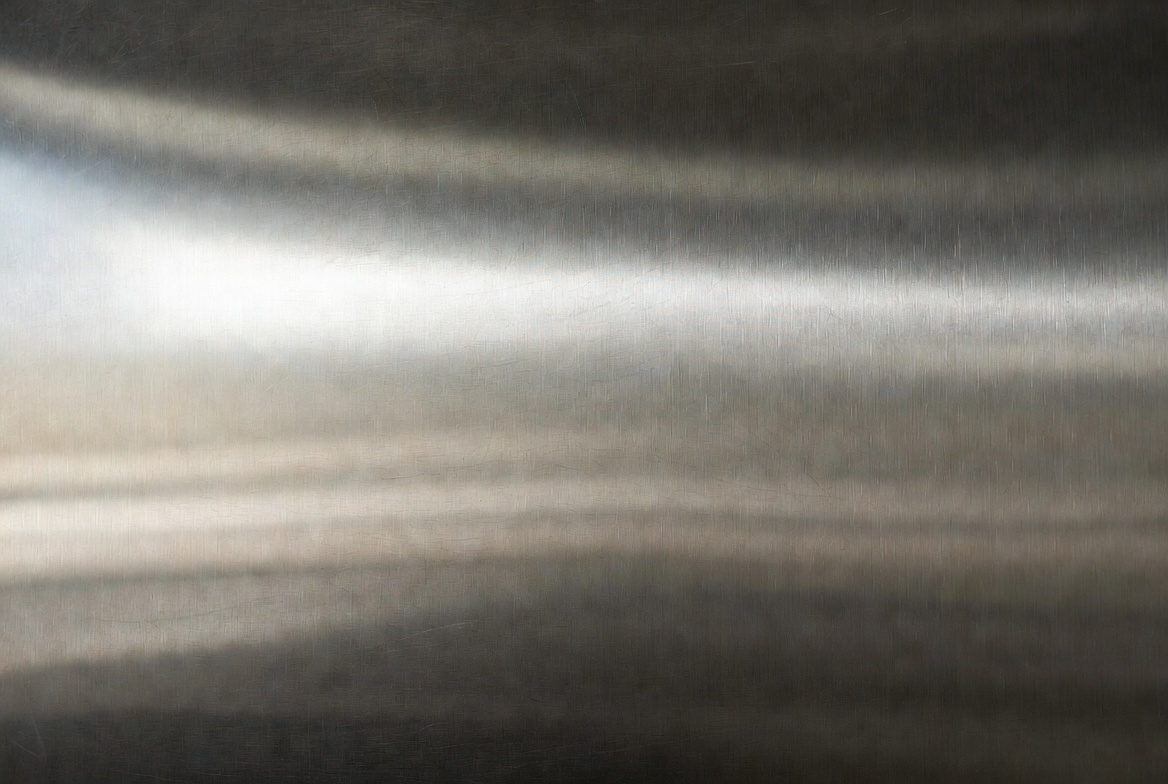
A brushing finish is a mechanical surface finishing process that uses abrasive belts, brushes, or rotary filament tools to create a consistent directional texture on a metal surface. The result is a satin-like or linear appearance that can hide minor scratches and improve product presentation. [xtjcnc]
In real production, brushing is often used after machining, sanding, deburring, or polishing. It is especially common on stainless steel, aluminum, and other metals where customers want a clean, professional look without a high-gloss mirror effect. [jlccnc]
A brushed surface does more than improve looks. It can also help mask small imperfections, reduce glare, and create a tactile premium feel that supports consumer trust and product value. [popularwoodworking]
For industrial parts, the finish can also influence how end users perceive quality, which matters in sectors like medical devices, electronics housings, kitchen equipment, enclosures, and consumer products. In competitive markets, surface finish is often one of the first details buyers notice. [yijinsolution]
The brushing finish process usually follows a clear sequence. Each step affects the final texture, consistency, and durability of the finished part. [zintilon.com]
1. Surface preparation. The part is cleaned and inspected to remove oil, dust, oxide, burrs, or machining marks.
2. Primary smoothing. If needed, the surface is pre-sanded or lightly ground to remove deeper defects.
3. Brushing pass. An abrasive brush, belt, or pad moves across the part in a controlled direction.
4. Consistency check. Operators inspect the texture, line direction, and visual uniformity under proper lighting.
5. Post-cleaning. The part is cleaned again to remove residue and prepare it for coating, assembly, or shipment. [utmmachining]
The key to a premium brushed finish is not force. It is control. Too much pressure can create uneven lines, overheating, or inconsistent grain patterns, while the correct speed and contact produce a uniform result. [rapiddirect]

Different products require different brushing methods. Choosing the right one depends on geometry, material, and the visual outcome you want. [utmmachining]
| Method | Best For | Finish Character | Typical Use |
|---|---|---|---|
| Linear brushing | Flat panels, faces, covers | Straight directional grain | Appliance panels, decorative sheets |
| Rotary abrasive brushing | Curved or irregular surfaces | Softer, more uniform texture | CNC parts, formed components |
| Cross-hatch brushing | Special decorative effects | Layered visual texture | Custom design parts |
| Belt-assisted brushing | Defect removal before final texture | Stronger material removal | Pre-finishing and repair work |
Abrasive filament brushing is often preferred when the part has complex geometry, because the flexible bristles can conform better to corners, edges, and curved surfaces. [ptsmake]
Brushing works especially well on stainless steel, aluminum, brass, and certain coated metals. Stainless steel is popular because it supports a clean, modern look and holds up well in demanding environments. [popularwoodworking]
Aluminum is also widely brushed in electronics, consumer goods, and architectural parts because it is lightweight and visually appealing. The exact result depends on alloy, initial surface condition, and whether the brushed part will later receive anodizing, powder coating, or clear coating. [jlccnc]
A brushed appearance is visual, but quality control still needs measurable standards. In engineering workflows, surface texture can be linked to roughness parameters such as Ra and controlled through drawing notes, inspection methods, and finish samples. [yijinsolution]
For precision manufacturing, this matters because "brushed" can mean different things to different suppliers. A clear specification should define:
- Direction of grain.
- Target visual appearance.
- Acceptable scratch depth or defect limit.
- Whether the finish is cosmetic or functional.
- Whether the part must match a master sample.
That level of clarity reduces disputes and improves repeatability across batches. [yijinsolution]
If your goal is a consistent premium finish, these field-proven practices matter most:
- Start with the right surface preparation. Brushing will not hide deep defects well; it often makes them more visible if prep is poor. [xtjcnc]
- Use controlled pressure. Light, even pressure usually produces a cleaner and more repeatable texture than aggressive contact. [zintilon.com]
- Keep a consistent direction. A uniform grain direction improves the final look and makes the finish feel intentional. [zintilon.com]
- Avoid unnecessary heat. Excessive speed or pressure can degrade surface quality and shorten tool life. [rapiddirect]
- Inspect under reflected light. This makes streaks, uneven lines, and laps easier to detect before the part ships. [popularwoodworking]
For production teams, the most important habit is process consistency. Once the first good sample is approved, keep the same brush type, speed range, pressure, and pass direction for future runs. [zintilon.com]
This is where many projects go wrong. A decorative panel, a hand-held product, and an industrial enclosure do not need the same brushing strategy.
Use this simple selection guide:
1. Choose fine brushing when the goal is a subtle, premium appearance with minimal texture.
2. Choose medium brushing when you want a visible grain that hides small handling marks.
3. Choose more aggressive brushing when the part has visible machining marks that need stronger blending.
4. Choose rotary filament brushing for curved, formed, or irregular parts.
5. Choose linear brushing for flat, high-visibility faces that must look uniform. [ptsmake]
This decision should be made early in the design and sourcing stage, because surface finishing affects cost, lead time, inspection criteria, and downstream coating choices. [jlccnc]
Brushed finishes are widely used across industries because they balance aesthetics and practicality. In consumer electronics, brushing helps create a premium metal look that supports product branding. In kitchen and appliance applications, it offers a clean appearance that still resists visible wear. [popularwoodworking]
In industrial manufacturing, brushed finishes are common for machine panels, housings, covers, trims, and architectural components. For these parts, the finish can improve perceived quality while also making maintenance and cleaning easier. [jlccnc]
A simple example: a laser-cut stainless steel control panel with sharp edges and light fabrication marks may be first deburred, then brushed, then passivated or coated depending on the final environment. That workflow creates a more professional and sale-ready part than machining alone. [xtjcnc]
Before approving a brushed part for shipment, a supplier should verify the following:
- The grain direction matches the approved sample.
- The texture is uniform across all visible surfaces.
- No deep scratches, chatter marks, or burn marks remain.
- Edges are consistent and do not show over-brushing.
- The part is cleaned and free of abrasive residue.
- The finish matches the intended coating or assembly plan.
This checklist is especially useful for export projects, where cosmetic variation can trigger customer complaints even when dimensions are correct. A well-controlled brushed finish protects both brand image and repeat order potential. [yijinsolution]
Brushing is often compared with polishing, bead blasting, and powder coating. Each serves a different purpose, so the best choice depends on your product goals.
| Finish Type | Main Benefit | Visual Result | Best Fit |
|---|---|---|---|
| Brushing | Premium linear texture | Satin, directional grain | Decorative and functional metal parts |
| Polishing | High reflectivity | Glossy or mirror-like | Luxury and display parts |
| Bead blasting | Uniform matte look | Soft, non-directional texture | Technical parts, anti-glare surfaces |
| Powder coating | Color and protection | Solid coated finish | Protective and branded applications |
Brushing is usually the best choice when you want a metal surface that still looks like metal. That balance is why it remains popular in precision manufacturing and product design. [xtjcnc]
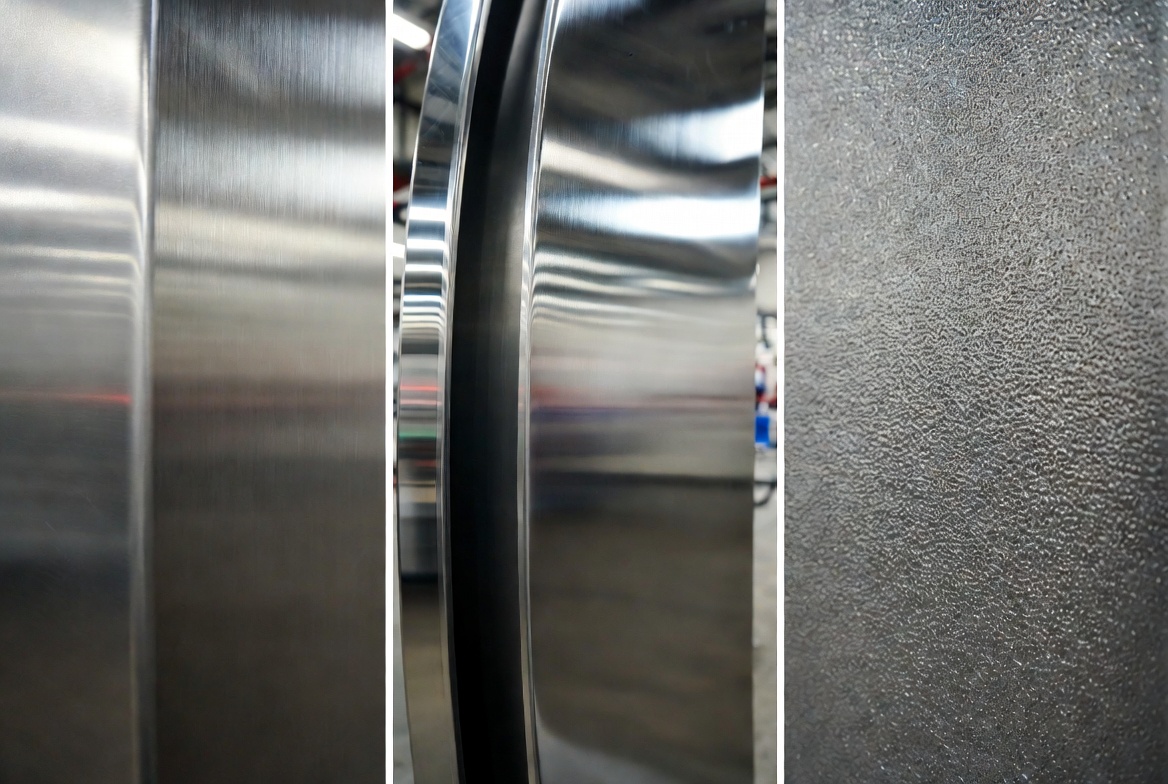
If you need custom brushed metal parts, precision machining, mold manufacturing, or sheet metal fabrication, U-Need can help you turn design intent into production-ready quality. Contact our team to discuss your surface finish requirements, share your sample, and get a manufacturable solution tailored to your project.
It is a surface finishing process that uses abrasive brushes or belts to create a controlled directional texture on metal. [rapiddirect]
Stainless steel and aluminum are among the most common choices, though brass and other metals can also be brushed depending on the project. [jlccnc]
Brushing mainly improves appearance and surface consistency, but it can also help hide minor wear and handling marks. [popularwoodworking]
Neither is universally better. Brushing gives a satin, directional look, while polishing creates a shinier and more reflective surface. [jlccnc]
Define the grain direction, target appearance, quality tolerance, and whether a master sample must be matched. [yijinsolution]
1. RapidDirect, "Brushing Finish Guide: Principle, Applications, and Must-Know Facts," https://www.rapiddirect.com/blog/brushing-finish-guide/
2. XTJ CNC, "Brushing Finish Process: Everything You Need To Know," https://xtjcnc.com/blog/surface-finishing/brushing-finish-process-everything-you-need-to-know/
3. Zintilon, "CNC Brushing Finish Guide | Precision Techniques," https://www.zintilon.com.sg/blog/brushing-surface-finish/
4. UTM Machining, "The Ultimate Brushing Surface Finish Guide," https://utmmachining.com/brushing-surface-finish-guide/
5. PTS Make, "The Ultimate Guide To Brushed Metal Finish For Industrial Applications," https://www.ptsmake.com/the-ultimate-guide-to-brushed-metal-finish-for-industrial-applications/
6. JLC CNC, "Brushed Finish on Metal Parts: Process, Materials, and Applications," https://jlccnc.com/blog/brushed-metal-finish-guide
7. Yijin Solution, "Surface Finish Standards: How to Read, Specify, and Control Them," https://yijinsolution.com/surface-finish/standards/
8. Popular Woodworking, "How to Brush a Finish," https://www.popularwoodworking.com/finishing/flexner-on-finishing-how-to-brush-a-finish/


