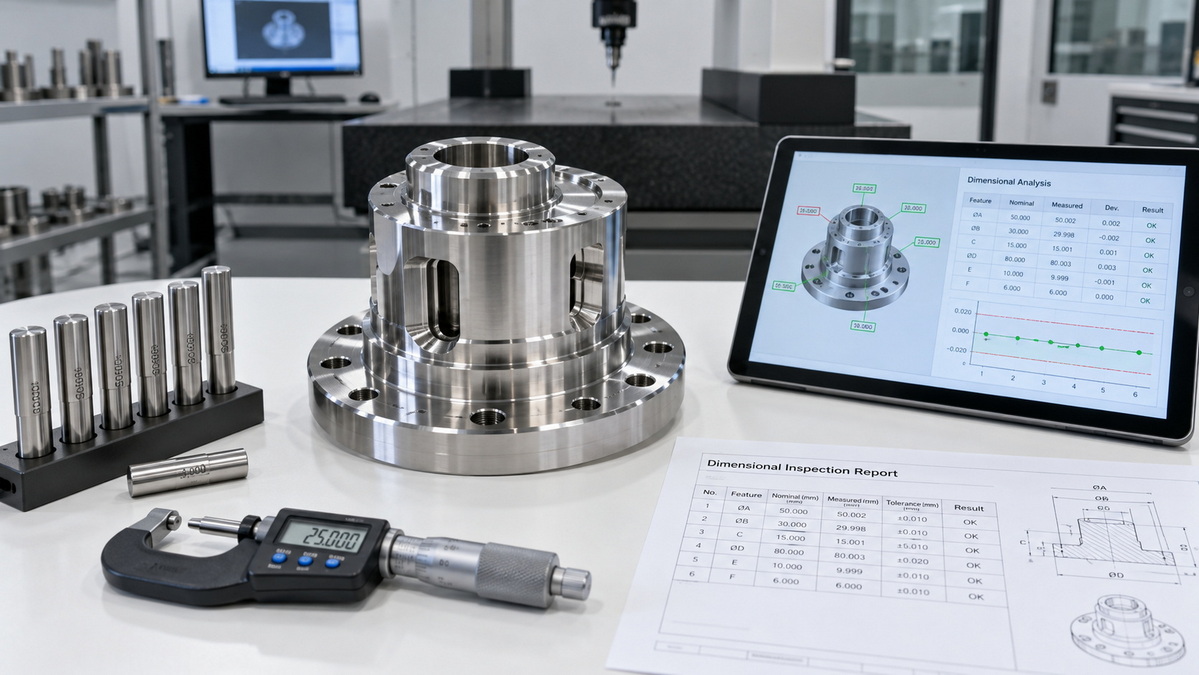
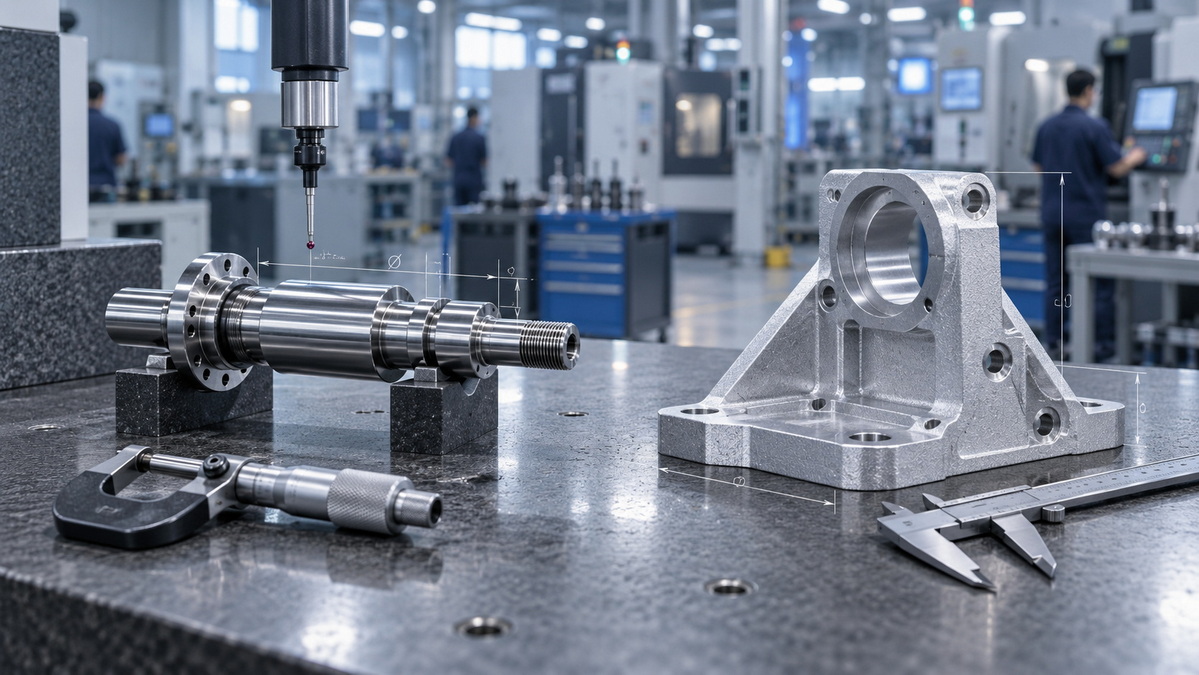
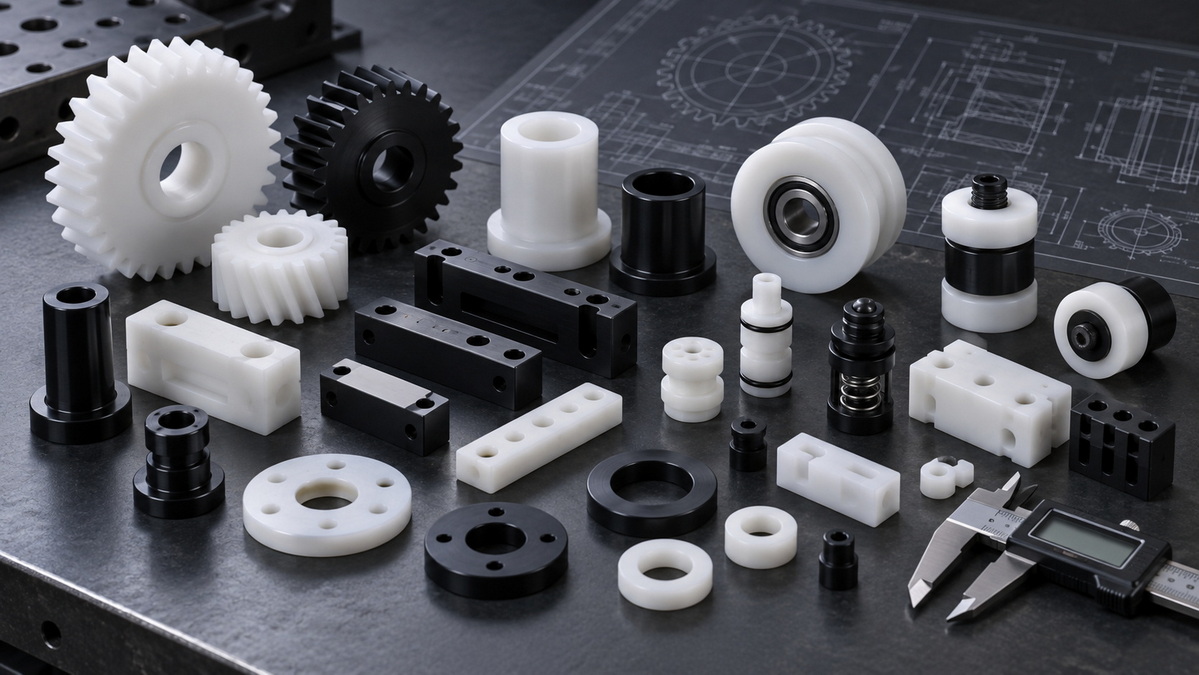
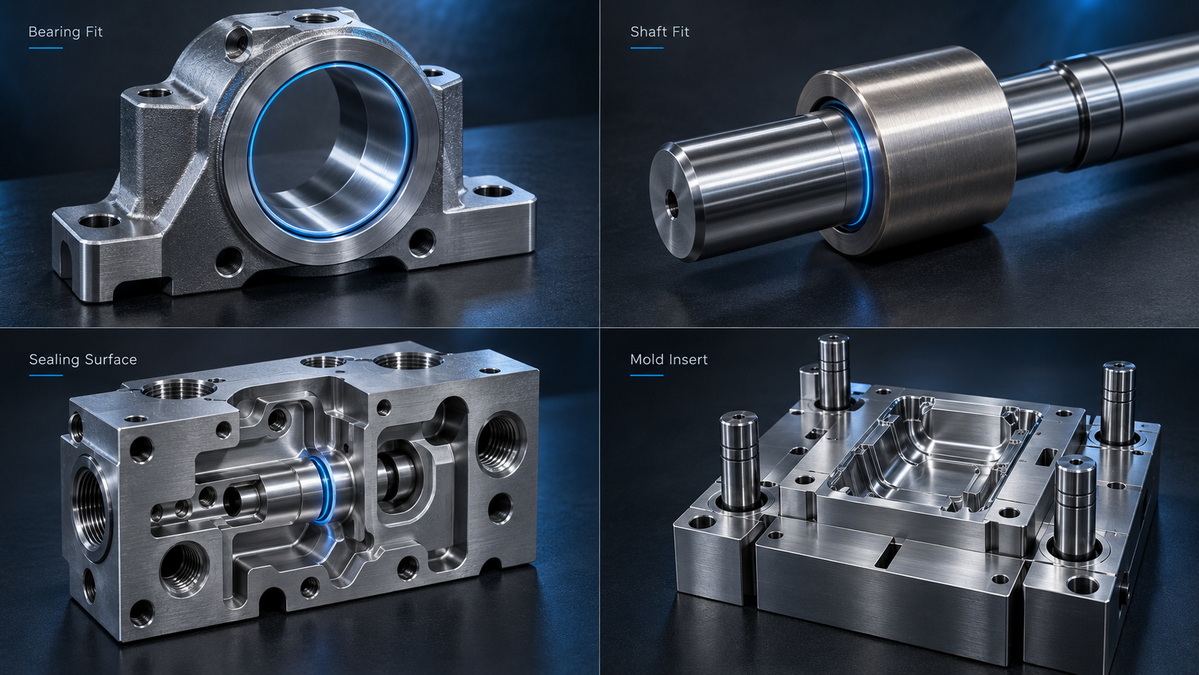
From 1 piece to mass production, our one-stop custom services ensure a worry-free experience for you.
Help Center

News and Events

  • Tight Tolerance Machining Vs Surface Finish Requirements Which Should Engineers Prioritize
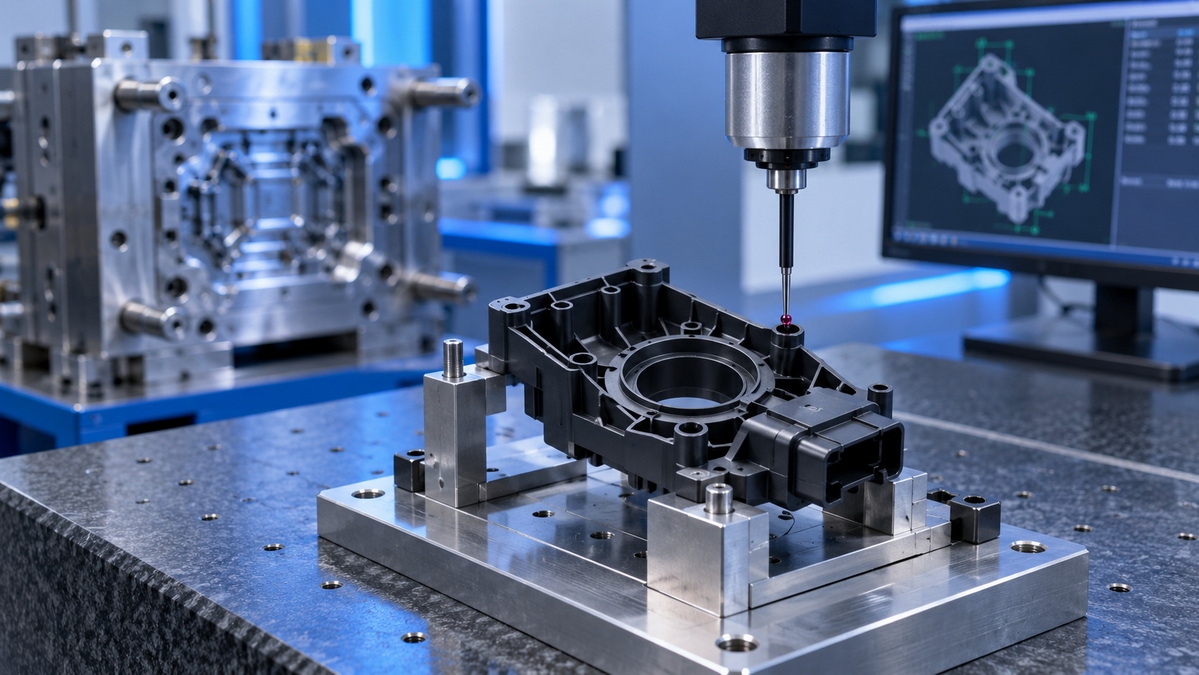
    This article explains the difference between tight tolerance machining and surface finish requirements in precision manufacturing. Tight tolerances control size, position, geometry, and fit, while surface finish requirements control roughness, friction, sealing, wear, fatigue resistance, coating behavior, and appearance. Engineers should prioritize the requirement that addresses the most important functional risk for each feature. The best manufacturing strategy uses selective precision, clear drawing callouts, practical inspection methods, and a full understanding of the manufacturing sequence.
    2026-09-27
  • Top 10 Prototype Machining Services Companies in China (2026 Updated: Expert Selection Guide)
    This 2026 guide compares 10 China-based prototype machining service companies for global buyers. It reviews CNC capability, prototype-to-production support, material options, quality systems, MOQ flexibility, OEM/ODM services, supply-chain coordination, and practical methods for verifying suppliers before placing an order.
    2026-09-26
  • How To Ensure Quality in CNC Machining: A Practical Guide for Precision Parts Buyers
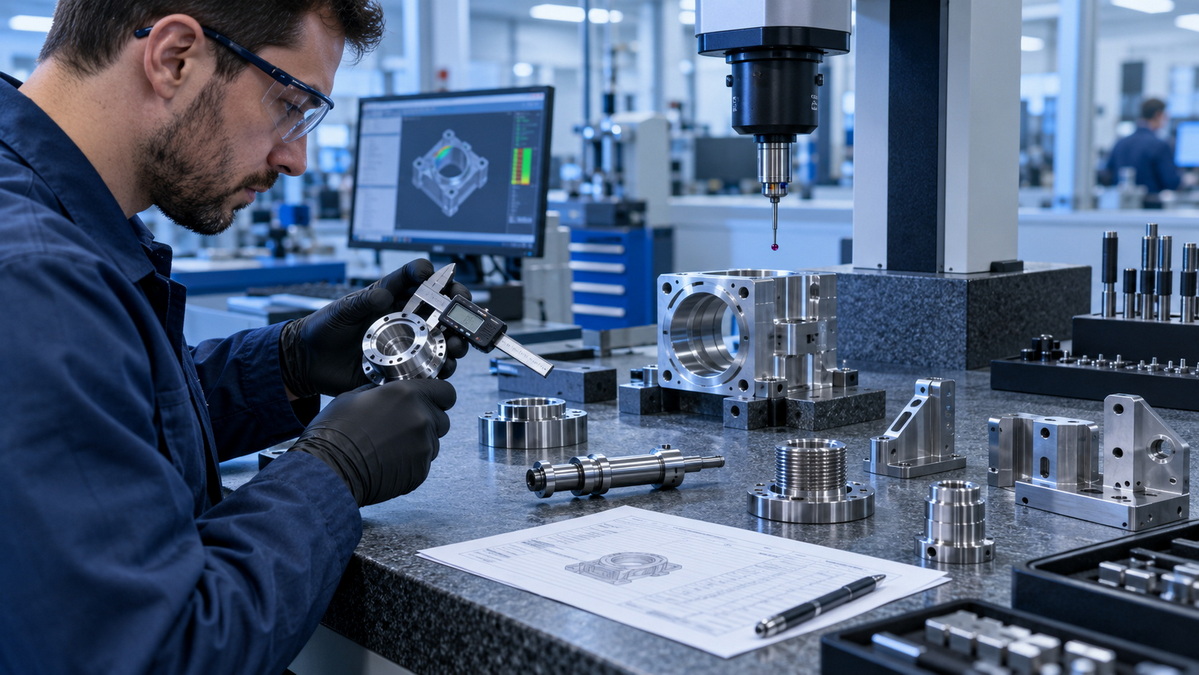
    CNC machining quality depends on controlled engineering, material verification, first article approval, in-process monitoring, final inspection, suitable measurement methods, traceability, and clear technical communication. Buyers who define their requirements early and select a supplier with strong process control can reduce defects, improve delivery reliability, and achieve more stable long-term production.
    2026-09-25
  • High-Tolerance CNC Precision Parts Vs Standard Parts: How Should Engineers Specify Tolerances?
    High-tolerance CNC precision parts are essential when dimensional accuracy directly affects fit, sealing, alignment, motion, safety, and product performance. Standard parts are more suitable for non-critical features that allow broader manufacturing variation. This guide compares both approaches, explains why tight tolerances increase manufacturing cost, outlines practical tolerance-specification methods, and shows how datum selection, geometric controls, stack-up analysis, process selection, and inspection planning can improve manufacturability and assembly reliability.
    2026-09-24
  • Design Rules, Process Controls, And Applications for Precision POM Parts
    CNC machining Delrin is widely used for gears, bushings, guides, fixtures, housings, and low-friction mechanical components. This article explains Delrin properties, machining parameters, heat control, workholding, design rules, inspection methods, POM-H versus POM-C selection, common applications, and prototype-to-production planning for precision plastic parts.
    2026-09-23
  • Close Tolerance Machining Vs General Machining: Which Parts Actually Need It?
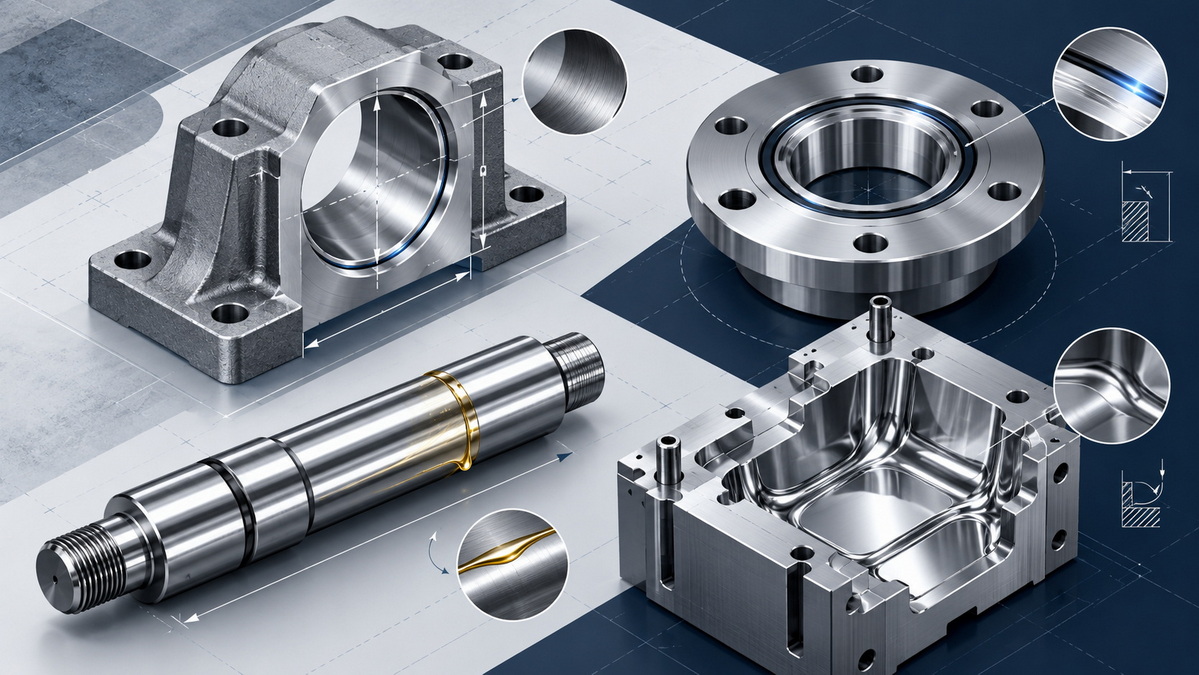
    Close tolerance machining is essential for features that control fit, motion, sealing, alignment, and reliability, including bearing seats, shafts, valve bores, precision mold components, and press-fit interfaces. General machining is more cost-effective for non-critical surfaces, brackets, covers, structural parts, and clearance features. The most efficient manufacturing strategy is to apply precision only where it protects product function and use practical tolerances everywhere else.
    2026-09-22
  • Dimensional Stability of Plastics: How To Control Size, Shape, And Fit in Precision Parts
    Dimensional stability of plastics refers to a component’s ability to preserve its required size, shape, and function over time. Thermal expansion, moisture absorption, molding shrinkage, residual stress, crystallinity, fiber orientation, wall thickness, mold design, process settings, and assembly loads can all affect final dimensions. Reliable precision parts require careful material selection, design-for-manufacturing planning, controlled mold engineering, stable processing conditions, and validation under real service conditions.
    2026-09-21
  • Tight Tolerance CNC Machining Vs Loose Tolerance Machining: How Does Tolerance Affect Cost?
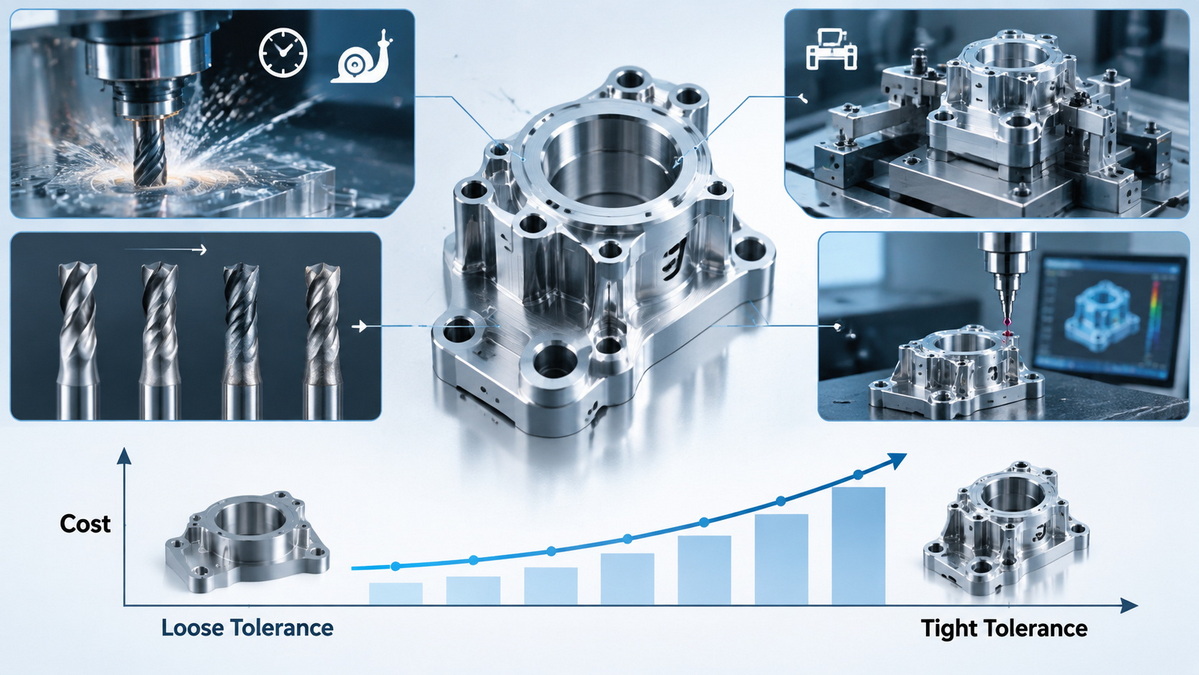
    Learn the difference between tight tolerance CNC machining and loose tolerance machining, including how tolerance affects machining cost, production time, inspection, scrap risk, material selection, and part performance. Explore practical tolerance strategies for bearing bores, sealing surfaces, shafts, molds, industrial equipment parts, and sheet metal components.
    2026-09-20
  • Top 10 Small Batch Machining Services Companies in China (2026 Updated: Expert Selection Guide)
    This 2026 buyer’s guide compares 10 small batch machining services companies in China for global procurement teams. It reviews manufacturing focus, MOQ flexibility, certifications, OEM/ODM capabilities, quality-control practices, and supplier-verification methods to help buyers select dependable long-term machining partners.
    2026-09-19
  • Rapid Prototyping in The Medical Field: From Patient-Specific Models To Precision Manufacturing
    Rapid prototyping helps medical-device developers, healthcare organizations, and manufacturers create anatomical models, device components, surgical tool concepts, prosthetic forms, and production samples faster. By combining 3D printing, CNC machining, injection mold manufacturing, and sheet metal fabrication, teams can test designs, reduce manufacturing risk, improve product quality, and prepare medical-related products for scalable production.
    2026-09-18
  • Total 44 pages  Go to Page
  • Go
U-Need Precision Machinery Co., Ltd.
  +86 0769 23225585
 +86 15916761371
  contact@uneedpm.com
  Room 401-1, Building 4, SongHuZhiGu Research Center, No.6 Minfu Road, Liaobu Town, Dongguan City, Guangdong Province, China
523425

CAPABILITIES

RESOURCES

ABOUT

Subscribe
Copyright © U-Need Precision Machinery Co., Ltd. All rights reserved.     Privacy Policy  Sitemap