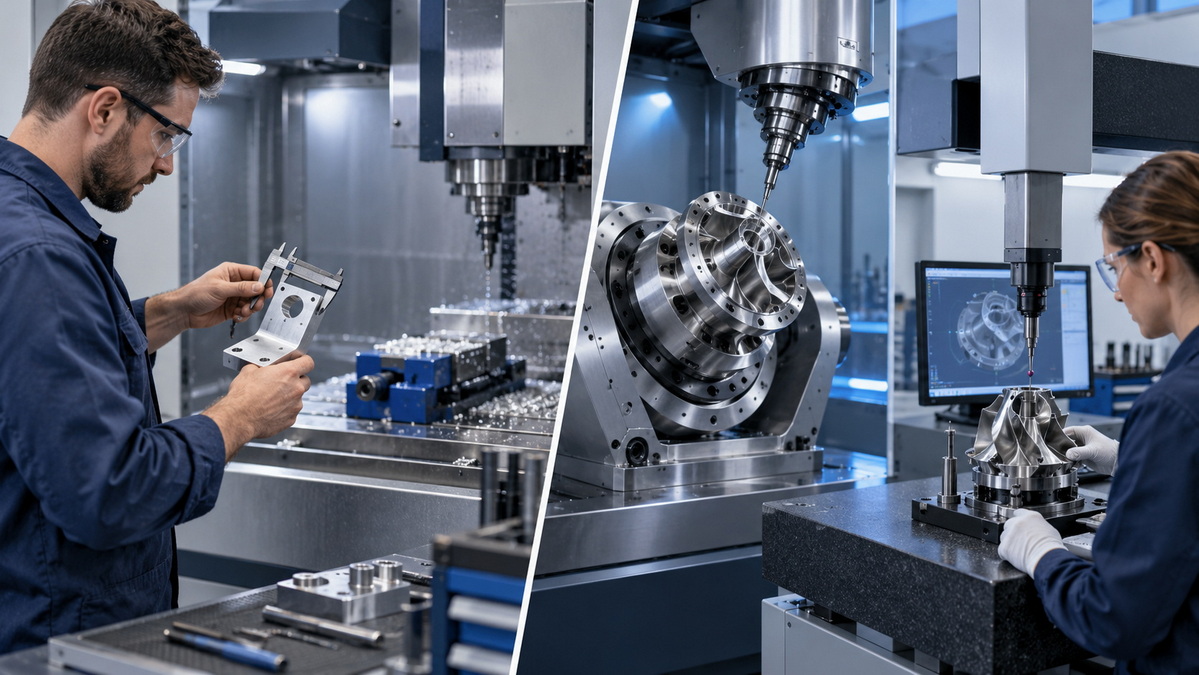
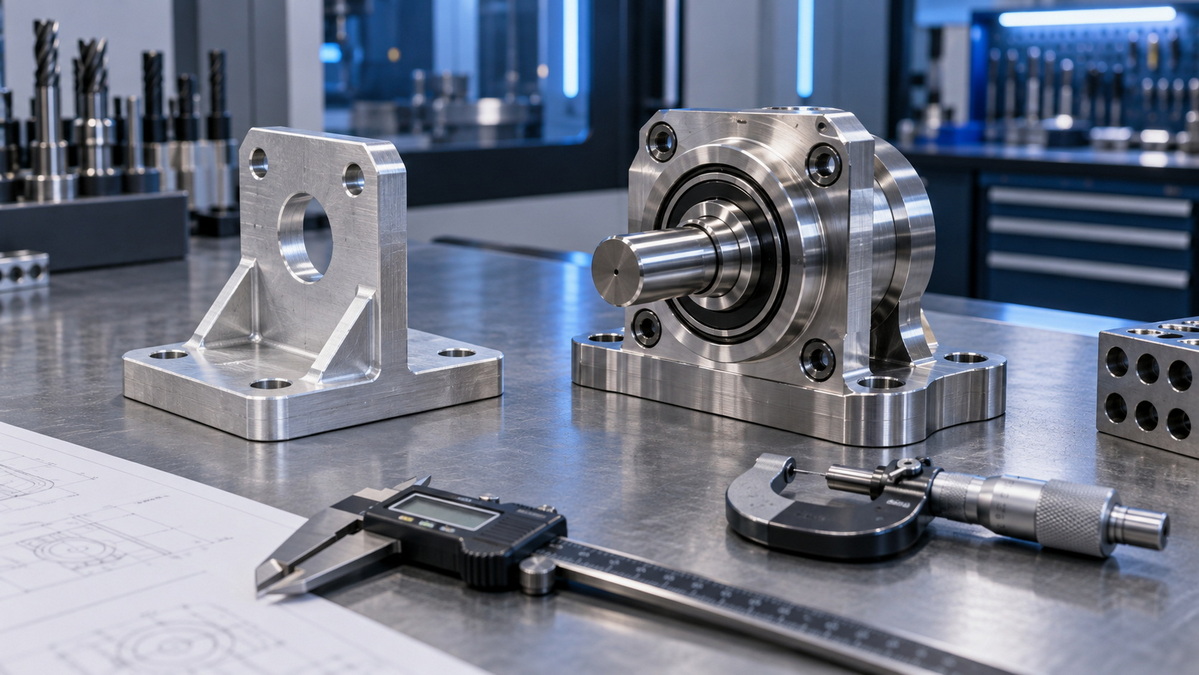
From 1 piece to mass production, our one-stop custom services ensure a worry-free experience for you.
Help Center

Tight Tolerance Machining

If you want to know more about the Tight Tolerance Machining, the following articles will give you some help. These news is the latest market situation, trend in development, or related tips of the Tight Tolerance Machining industry. More news about Tight Tolerance Machining, are being released. Follow us / contact us for more Tight Tolerance Machining information! Since its establishment, U-NEED has been adhering to the product and service concepts of “superior products”, “reasonable prices”, “punctual delivery” and “good reputation”. The products exported to Europe, America and Asia. U-NEED is firmly convinced that technological innovation is the lifeblood of enterprise development, quality of products and services is the core competitiveness of the enterprise. Service foremost and customer success is our endless pursuit!
  • CNC Machining Tolerance Vs Part Function: How Tight Is Tight Enough?
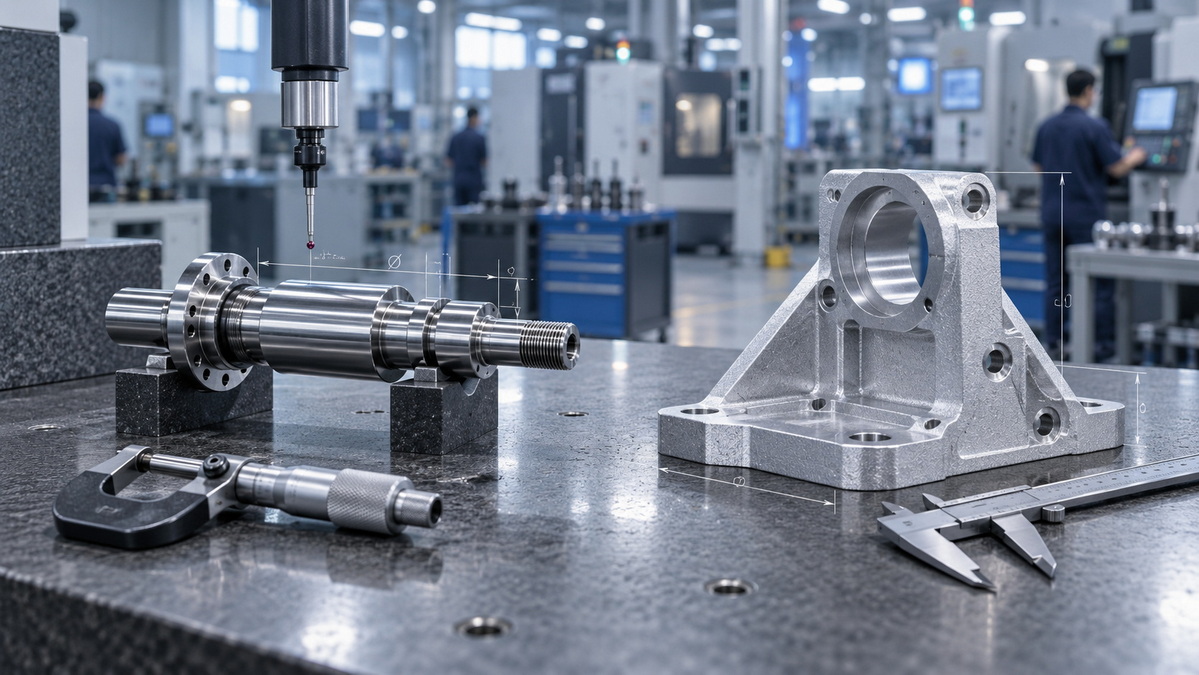
    CNC machining tolerance should be selected according to part function, not simply by choosing the smallest possible number. Critical fits, sealing surfaces, moving interfaces, and alignment features may require tight control, while noncritical dimensions can remain more open. A function-based tolerance strategy reduces cost, improves inspection efficiency, supports reliable assembly, and helps precision parts perform consistently.
    2026-10-01
  • Tight Tolerance Machining Vs GD&T: What Should Be Specified on A CNC Drawing?
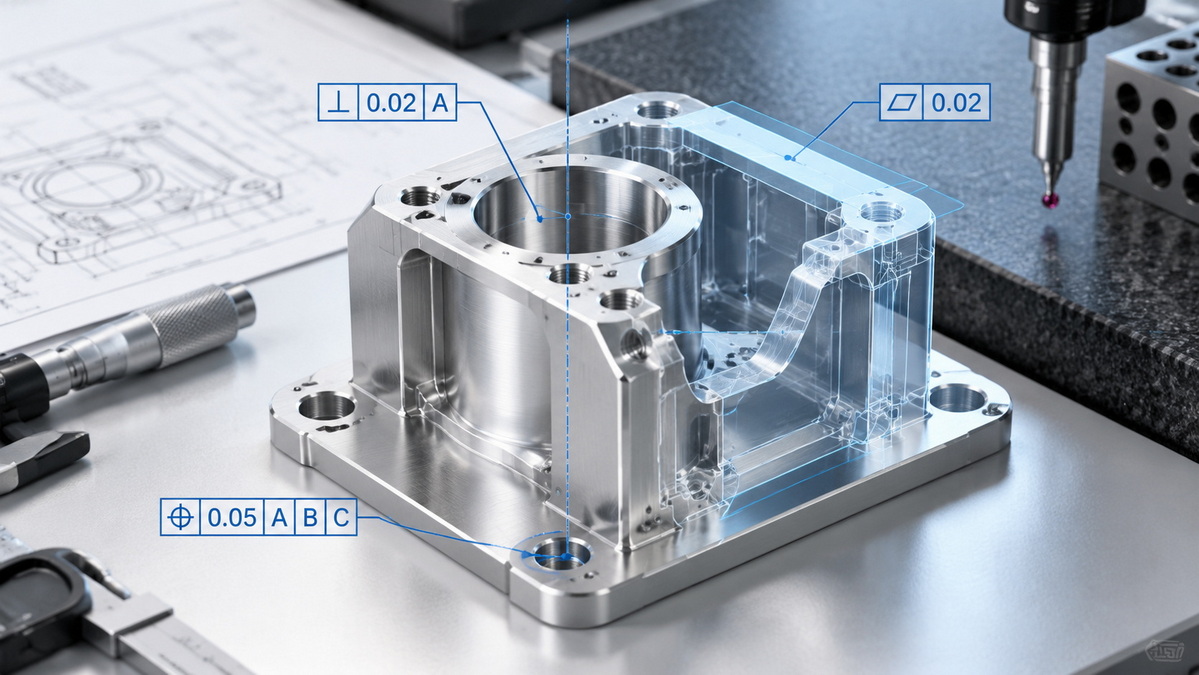
    Tight tolerance machining controls the allowable size variation of a feature, while GD&T controls a part’s geometry, orientation, location, form, profile, and rotational behavior. The most effective CNC drawings use tight tolerances for critical fits such as shafts, bores, seals, and press-fit features, then use GD&T to define how those features relate to functional datums and mating components. This approach improves manufacturability, inspection consistency, assembly reliability, and total production efficiency.
    2026-09-29
  • Tight Tolerance Machining Vs Surface Finish Requirements Which Should Engineers Prioritize
    This article explains the difference between tight tolerance machining and surface finish requirements in precision manufacturing. Tight tolerances control size, position, geometry, and fit, while surface finish requirements control roughness, friction, sealing, wear, fatigue resistance, coating behavior, and appearance. Engineers should prioritize the requirement that addresses the most important functional risk for each feature. The best manufacturing strategy uses selective precision, clear drawing callouts, practical inspection methods, and a full understanding of the manufacturing sequence.
    2026-09-27
  • High-Tolerance CNC Precision Parts Vs Standard Parts: How Should Engineers Specify Tolerances?
    High-tolerance CNC precision parts are essential when dimensional accuracy directly affects fit, sealing, alignment, motion, safety, and product performance. Standard parts are more suitable for non-critical features that allow broader manufacturing variation. This guide compares both approaches, explains why tight tolerances increase manufacturing cost, outlines practical tolerance-specification methods, and shows how datum selection, geometric controls, stack-up analysis, process selection, and inspection planning can improve manufacturability and assembly reliability.
    2026-09-24
  • High Precision Machined Parts Vs Conventional Machined Parts: Where Does The Cost Difference Come From?
    High precision machined parts cost more than conventional machined parts because they require tighter tolerances, longer machining time, advanced machines, specialized fixtures, stricter tool management, more detailed inspection, and increased control over scrap and rework risk. The most cost-effective approach is to apply high precision only to features that affect function, assembly, sealing, alignment, safety, or durability, while using practical general tolerances for noncritical features.
    2026-09-17
  • Precision CNC Parts Vs Standard CNC Parts: When Does Higher Accuracy Pay Off?
    Precision CNC parts vs standard CNC parts: understand when tight tolerances improve fit, alignment, sealing, motion, and reliability—and when standard CNC machining offers the best balance of cost, lead time, and dependable manufacturing quality.
    2026-09-15
  • High Tolerance CNC Machining Vs High Precision CNC Machining: Which Term Matters To Engineers?
    High tolerance CNC machining focuses on meeting narrow dimensional and geometric limits for critical part features. High precision CNC machining describes the broader capability to manufacture those requirements repeatedly through stable equipment, qualified processes, controlled fixturing, effective inspection, and disciplined production planning. Engineers should define exact tolerances and GD&T requirements on drawings while evaluating suppliers based on their ability to consistently control, inspect, and reproduce critical features in production.
    2026-09-13
  • Tight Tolerance Machining Vs Close Tolerance Machining: Are They The Same?
    Tight tolerance machining and close tolerance machining both describe manufacturing methods used to produce highly accurate components. Close tolerance machining generally involves more control than standard production, while tight tolerance machining usually requires stricter process management, enhanced measurement, and greater investment. The article explains their differences, cost factors, drawing requirements, GD&T considerations, inspection methods, CNC machining challenges, injection mold precision, and sheet metal fabrication limits.
    2026-09-10
  • High Precision CNC Machining Vs Standard CNC Machining: What Is The Real Difference?
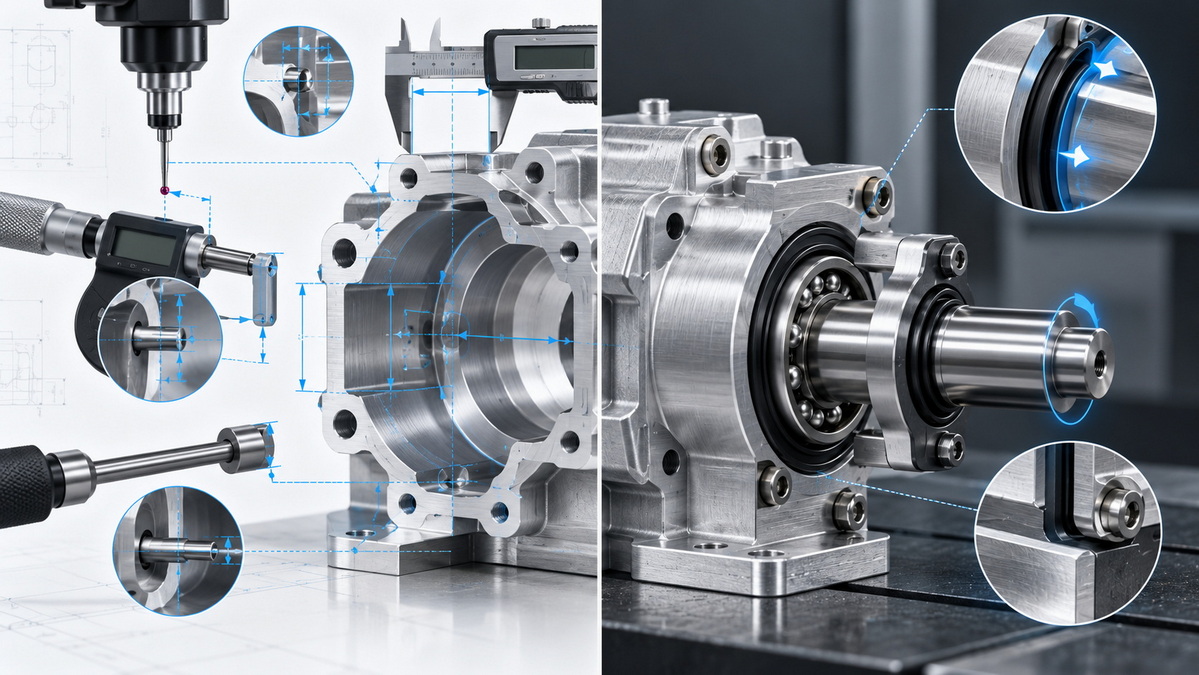
    High precision CNC machining and standard CNC machining differ mainly in tolerance control, process capability, inspection requirements, repeatability, cost, and intended application. Standard CNC machining is ideal for general industrial parts with practical functional tolerances. High precision CNC machining is required for critical components involving bearings, seals, alignment, motion, mold tooling, and high-performance assemblies. The most cost-effective approach is to apply tight tolerances only where they directly affect function, assembly, safety, or long-term product reliability.
    2026-09-08
  • Tight Tolerance Machining Vs Standard CNC Machining: What Do Engineers Really Need?
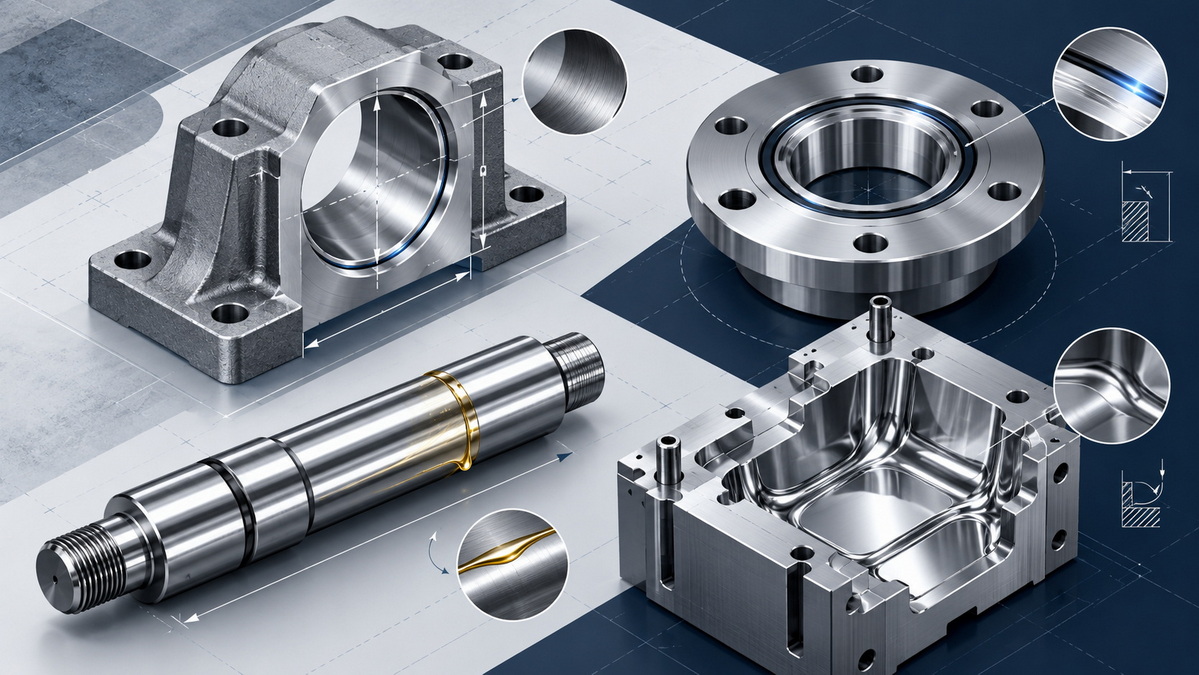
    Tight tolerance machining provides the control needed for critical fits, precision bores, sealing surfaces, mold components, dies, and motion-system parts. Standard CNC machining remains the more efficient choice for dimensions that do not directly affect assembly or product performance. The strongest engineering approach is to apply precision where it creates measurable functional value. Define clear datums, analyze tolerance stack-up, plan inspection early, and work with a capable manufacturing partner before production begins. This helps reduce risk, protect product quality, and control total manufacturing cost.
    2026-09-06
U-Need Precision Machinery Co., Ltd.
  +86 0769 23225585
 +86 15916761371
  contact@uneedpm.com
  Room 401-1, Building 4, SongHuZhiGu Research Center, No.6 Minfu Road, Liaobu Town, Dongguan City, Guangdong Province, China
523425

CAPABILITIES

RESOURCES

ABOUT

Subscribe
Copyright © U-Need Precision Machinery Co., Ltd. All rights reserved.     Privacy Policy  Sitemap